Understanding the core principles and operational characteristics of bulk bag pneumatic conveying is essential for industries dealing with large volumes of bulk materials. This article explores the fundamental mechanisms behind this technology and highlights key working scenarios where it excels.
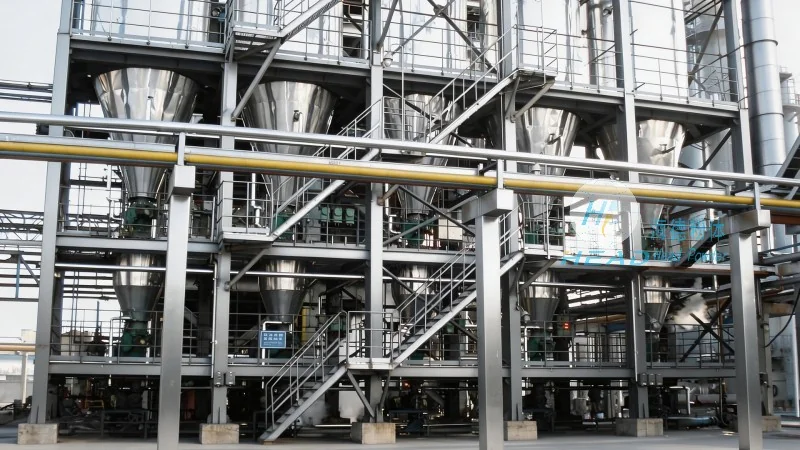
Introduction to Bulk Bag Pneumatic Conveying
Bulk bag pneumatic conveying, also known as bag-in-air or bag-to-bag conveying, is a method of transporting bulk materials from a source to a destination using air pressure. The process involves filling a bulk bag with material, sealing it, and then utilizing a vacuum or pressure system to move the contents through a pipeline to a receiving hopper or silo. This technology is particularly effective for handling dry, free-flowing powders and granules, making it a preferred choice in various industrial applications.
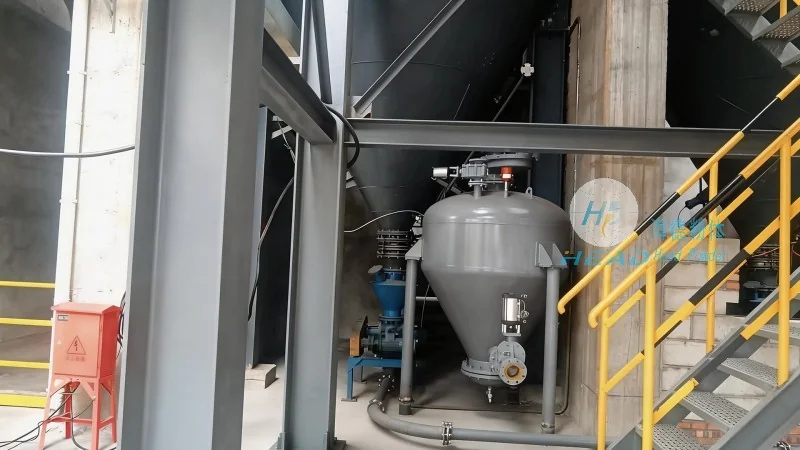
Key Components and Working Principle
The operation of a bulk bag pneumatic conveying system relies on several critical components that work in tandem to ensure efficient material transfer. The primary components include the bulk bag itself, a filling hopper, a conveying line, a receiver, and a control system. The process typically begins with the bulk bag being placed in the filling hopper. As material is added, the bag expands to accommodate the volume. Once filled, the bag is sealed, and the conveying system is activated. A vacuum or pressure is applied to the conveying line, creating a flow that pulls or pushes the material from the bag into the receiver. The control system manages the pressure and flow rates to maintain optimal performance and prevent material degradation or blockages.
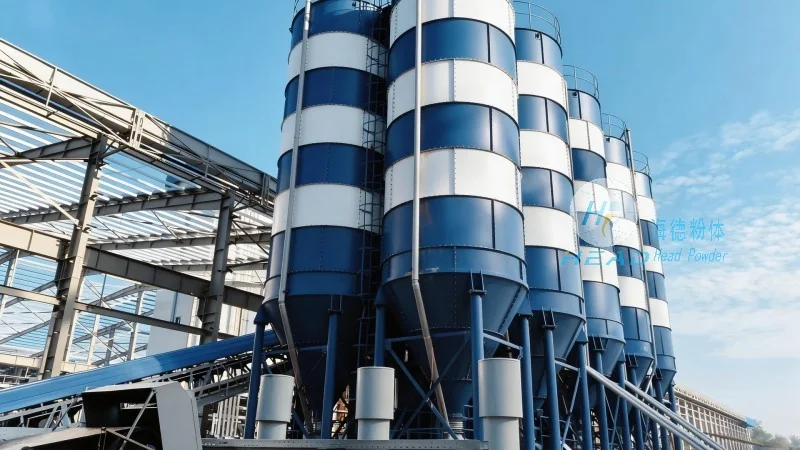
Working Scene Characteristics and Applications
Bulk bag pneumatic conveying is widely used in scenarios where large quantities of bulk materials need to be transported over moderate distances. Some key working scene characteristics include:
- Industrial Manufacturing: In manufacturing facilities, this system is used to transport raw materials such as powders, granules, and chemicals from storage to processing equipment. The ability to handle large bag sizes (typically 1 to 2 tons) makes it ideal for reducing handling and storage costs.
- Pharmaceutical and Food Industries: The hygienic design of bulk bag pneumatic conveying systems is crucial in these sectors. The enclosed system prevents contamination and ensures compliance with regulatory standards. It is commonly used for transporting ingredients like powders, spices, and food additives.
- Construction and Mining: In construction and mining sites, bulk bag pneumatic conveying is employed to move bulk materials like cement, sand, and gravel from storage to mixing sites or processing plants. The system’s ability to handle abrasive materials and large volumes makes it suitable for these demanding environments.
- Chemical and Petrochemical Plants: These industries require reliable and efficient material transfer systems to handle various chemicals and additives. Bulk bag pneumatic conveying provides a safe and controlled method to transport these materials, minimizing the risk of spills and exposure.
Advantages and Considerations in Working Scenarios
When evaluating bulk bag pneumatic conveying for specific working scenarios, several advantages and considerations come into play. The system offers advantages such as reduced labor costs, minimized material loss, and improved safety compared to traditional methods like manual handling or truck loading. However, it is essential to consider factors like material properties (e.g., moisture content, particle size, and flowability), system maintenance, and energy consumption. Proper system design and regular maintenance are critical to ensuring consistent performance and preventing operational issues.
Conclusion
Bulk bag pneumatic conveying is a versatile and efficient technology that addresses the challenges of transporting large volumes of bulk materials in various industrial settings. By understanding its working principles and application characteristics, businesses can optimize their material handling processes and improve overall operational efficiency. As a leading provider in this field, Shandong HeadPowder Engineering Co., Ltd. specializes in designing and implementing customized pneumatic conveying solutions tailored to the unique needs of different industries.




