In-furnace calcium injection is a critical technology for flue gas desulfurization, playing a pivotal role in reducing sulfur dioxide emissions from industrial boilers. This method involves the direct introduction of calcium-based sorbents into the combustion chamber to capture sulfur dioxide produced during fuel combustion. The following content explores the underlying principles, operational features, and practical applications of this technology, emphasizing its effectiveness and adaptability across various industrial scenarios.
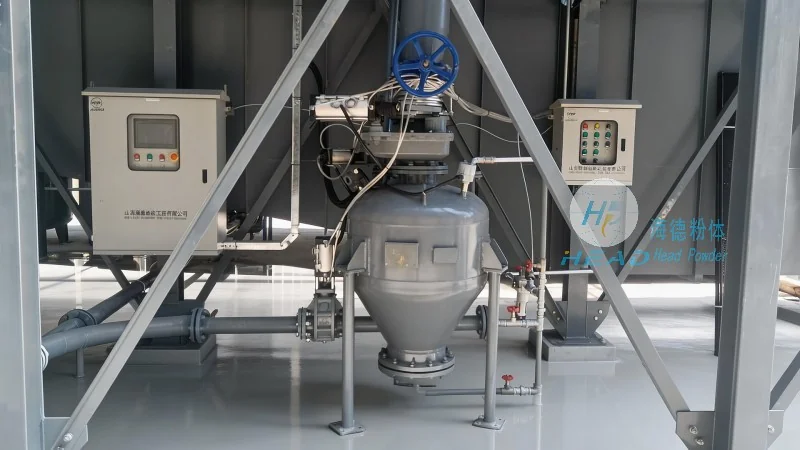
Core Principle of In-Furnace Calcium Injection
The fundamental mechanism of in-furnace calcium injection centers on the chemical interaction between calcium compounds and sulfur dioxide generated during combustion. When fossil fuels like coal or natural gas are burned, sulfur present in the fuel oxidizes to form sulfur dioxide, a major contributor to air pollution and acid rain. Calcium-based reagents, typically calcium carbonate (CaCO₃) or calcium hydroxide (Ca(OH)₂), are injected into the boiler's furnace. The high temperature within the combustion zone facilitates the decomposition of these reagents, releasing calcium oxide (CaO), which then reacts with sulfur dioxide to form calcium sulfite (CaSO₃) or calcium sulfate (CaSO₄) depending on oxygen availability and temperature. This chemical transformation effectively removes SO₂ from the flue gas stream before it is released to the atmosphere.
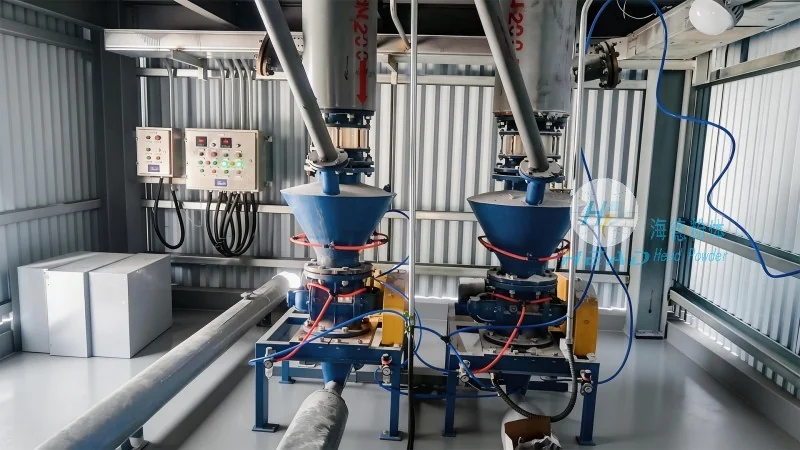
Key Operational Characteristics
Several defining characteristics distinguish in-furnace calcium injection systems. Firstly, the technology achieves high desulfurization efficiency, typically ranging from 80% to 95% under optimal conditions. This efficiency stems from the direct contact between the sorbent and flue gas within the furnace, minimizing the need for additional post-combustion treatment steps. Secondly, the system is relatively simple in terms of complexity, as it does not require external reactors or extensive auxiliary equipment, making it suitable for retrofitting existing boilers. Thirdly, the method offers flexibility in sorbent selection and dosage adjustment, allowing operators to tailor treatment to specific fuel compositions and emission targets. Additionally, in-furnace calcium injection can be integrated with other combustion optimization strategies, such as low-NOx burners, to enhance overall plant performance.
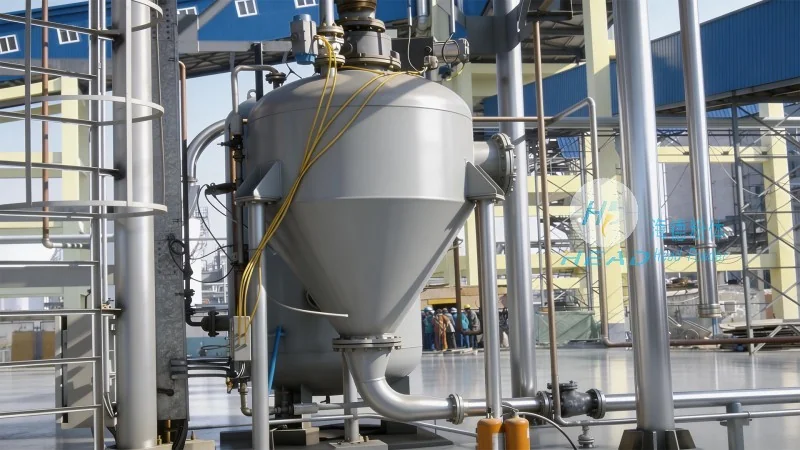
Work Scene Characteristics and Application Scenarios
The operational characteristics of in-furnace calcium injection make it particularly well-suited for diverse industrial applications. Power plants, especially those burning high-sulfur coal, frequently employ this technology to meet stringent environmental regulations. The system can be installed in both new and existing facilities, providing a cost-effective solution for retrofitting older boilers to comply with modern emission standards. In addition to power generation, the technology is also utilized in industrial processes such as cement production, where combustion of raw materials inherently produces SO₂. The cement industry benefits from the ability to utilize calcium-based byproducts from production as sorbents, reducing waste and enhancing sustainability. Furthermore, in-furnace calcium injection is adaptable to different boiler types, including pulverized coal boilers, fluidized bed boilers, and even some gas-fired units, demonstrating its broad applicability across diverse industrial sectors.
Technical Advantages and Considerations
From a technical perspective, in-furnace calcium injection offers several advantages that contribute to its widespread adoption. The primary benefit is the high desulfurization efficiency, directly reducing environmental impact. Additionally, the process is energy-efficient, as furnace temperatures provide necessary activation energy for reactions, eliminating external heating needs. However, considerations include potential ash buildup in boilers and the need for regular maintenance to ensure consistent performance. The selection of appropriate calcium compound and dosage is critical, as excessive or insufficient sorbent can lead to incomplete SO₂ capture or increased costs. System performance is also influenced by fuel sulfur content, boiler load, and flue gas temperature, requiring careful monitoring and control.
Conclusion
In summary, in-furnace calcium injection is a robust and effective technology for flue gas desulfurization, characterized by straightforward operational principles and versatile application across various industrial settings. By leveraging calcium compounds' chemical reactivity within the combustion chamber, this method efficiently reduces sulfur dioxide emissions, contributing to cleaner air and regulatory compliance. As industrial facilities prioritize sustainability and adherence to environmental standards, understanding and implementing in-furnace calcium injection remains a key component of modern pollution control strategies. The technology's adaptability and cost-effectiveness make it an attractive option for both new installations and retrofits, ensuring its continued relevance in evolving industrial emissions management.




