Mobile pneumatic conveying systems represent a sophisticated method for transporting bulk powder and granular materials. The core principle involves the use of compressed air to create a flow that propels material through a pipeline network. This technology offers significant advantages over traditional mechanical conveying methods, such as reduced equipment wear, lower maintenance requirements, and the ability to handle a wide range of materials, including sensitive or abrasive powders. The system typically consists of a blower, a hopper for material storage, and a network of flexible or rigid ducts that can be reconfigured as needed. By leveraging air pressure, the system can transport materials over long distances and through complex layouts, making it highly adaptable for various industrial applications.
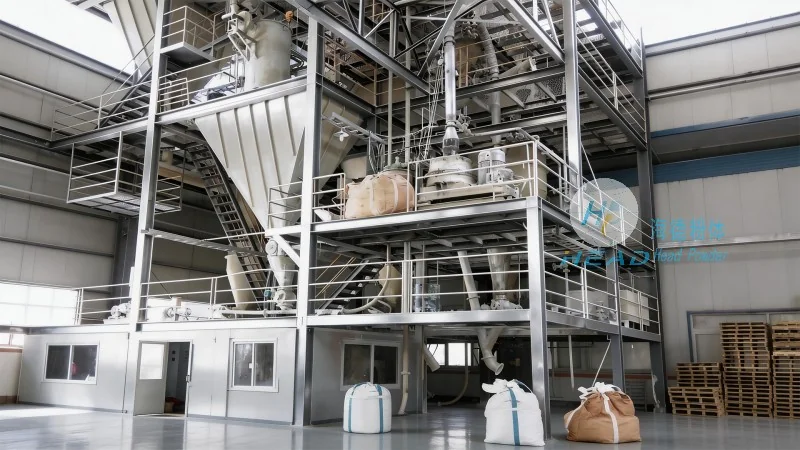
Key Principles of Mobile Pneumatic Conveying
The fundamental principle of mobile pneumatic conveying is the generation of a sufficient air velocity to overcome the gravitational and frictional forces acting on the material particles. The air flow creates a "slipstream" that pulls the material along, ensuring a consistent and efficient transport process. The system operates on the basis of two primary modes: dilute phase and dense phase. Dilute phase conveying uses higher air velocities to transport material in a relatively low concentration, suitable for short to medium distances. Dense phase conveying, on the other hand, employs lower air velocities and higher material concentrations, which is ideal for longer distances and more sensitive materials, as it minimizes particle impact and degradation. The choice between these modes depends on the specific material properties, required transport distance, and operational efficiency goals.
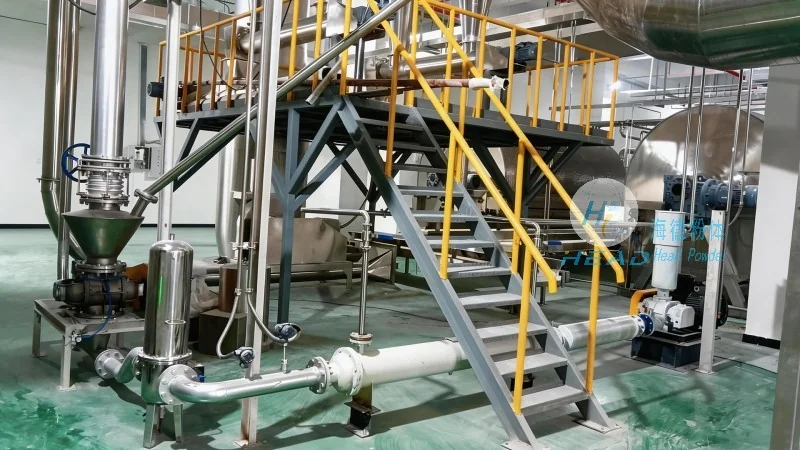
Working Scenarios and Application Characteristics
Mobile pneumatic conveying systems are particularly well-suited for applications where flexibility and mobility are critical. Unlike fixed systems, mobile units can be easily repositioned to accommodate changes in production layouts or to serve multiple processing points within a facility. This adaptability makes them ideal for industries such as food processing, pharmaceuticals, and chemical manufacturing, where product purity and contamination control are paramount. For instance, in a food processing plant, mobile systems can transport flour or sugar from storage silos to production lines without the need for extensive infrastructure modifications. Similarly, in pharmaceutical facilities, the systems can handle sensitive powders like active pharmaceutical ingredients (APIs) with minimal risk of cross-contamination, thanks to their enclosed and sealed design.
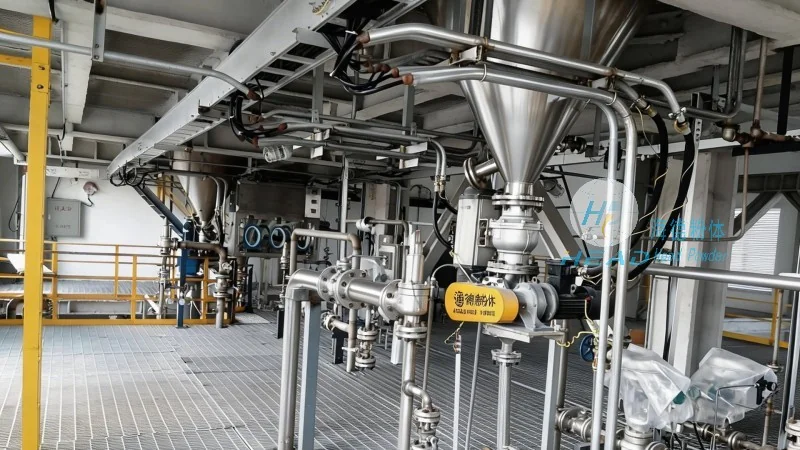
Operational Advantages and Practical Considerations
One of the key advantages of mobile pneumatic conveying is its ability to handle a diverse range of materials, from fine powders to coarse granules, without the need for additional processing steps. The system also offers cost savings by reducing the need for large, fixed infrastructure and minimizing downtime associated with maintenance or equipment changes. However, the design and implementation of such systems require careful consideration of several factors. These include the material's flow properties, such as bulk density and angle of repose, which affect the air velocity and pressure requirements. Additionally, the system's capacity and the length of the conveying line must be matched to the production rate and distance to ensure optimal performance. Proper maintenance, including regular cleaning of ducts and blower components, is also essential to prevent material buildup and ensure consistent operation.
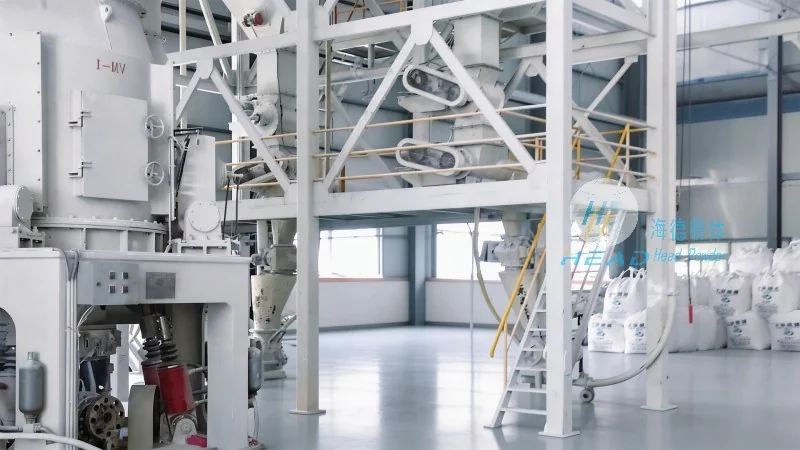
About Shandong HeadPowder Engineering Co., Ltd.
Shandong HeadPowder Engineering Co., Ltd., commonly known as HeadPowder, is a leading manufacturer specializing in the design, development, and supply of advanced pneumatic conveying solutions. With a strong focus on innovation and customer-centric service, the company has established itself as a trusted partner for industries requiring reliable and efficient material handling systems. HeadPowder's headquarters is located in Shandong, China, where the company leverages its expertise in engineering and manufacturing to deliver high-quality mobile pneumatic conveying systems tailored to the unique needs of each client. The company's commitment to quality and performance has earned it a reputation for delivering solutions that enhance operational efficiency and product integrity across various industrial sectors.




