Styrene, a vital chemical intermediate widely utilized in the production of polystyrene and other polymers, requires efficient material handling solutions for its transportation within industrial facilities. Pneumatic conveying systems have become a preferred method for handling styrene due to their ability to transport powders and bulk materials in a closed system, minimizing dust exposure and ensuring process safety. This article explores the fundamental principles behind styrene pneumatic conveying systems and highlights the specific characteristics of their operational environments.
Core Principles of Pneumatic Conveying Technology
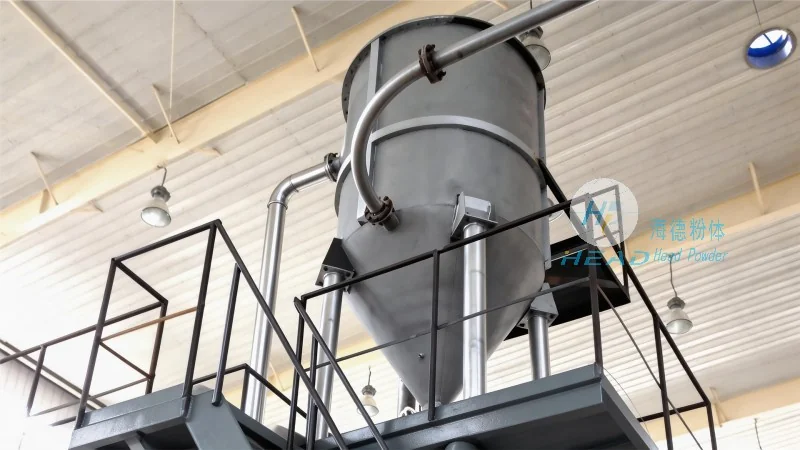
The operation of a styrene pneumatic conveying system is based on the fundamental principle of using air or gas as a medium to transport solid particles. There are two primary modes of pneumatic conveying: suction (or vacuum) and pressure. In suction systems, a vacuum is created at the material feed point to draw the styrene particles into the conveying line. Conversely, pressure systems use compressed air to push the material through the pipeline. For styrene, which is a volatile liquid that can be aerosolized under certain conditions, the system design must incorporate features to prevent clogging and ensure stable flow. Key components of a typical styrene pneumatic conveying system include a feed hopper with a rotary valve or screw feeder to control material discharge, a conveying pipeline network, a venturi or eductor to create the necessary air flow, and a separation and collection unit to return the air to the system and discharge the conveyed material.
System Components and Their Functionality
Each component of a styrene pneumatic conveying system plays a critical role in ensuring efficient and safe operation. The feed hopper is designed to store the styrene material and provide a controlled feed rate, often equipped with a level indicator to monitor inventory. The rotary valve or screw feeder regulates the flow of styrene into the conveying line, preventing overfeeding which could lead to blockages. The conveying pipeline is typically made of corrosion-resistant materials such as stainless steel or PTFE-lined pipes to handle the chemical properties of styrene and prevent degradation. The venturi or eductor creates the air flow by converting the pressure energy of the compressed air into kinetic energy, drawing the styrene particles into the flow. The separation unit, often a cyclone or bag filter, separates the air from the styrene particles, allowing the air to be recirculated and the material to be collected in a designated hopper. The system may also include a filter to remove any fine particles from the air stream, ensuring compliance with environmental regulations.
Working Scene Characteristics and Application Scenarios
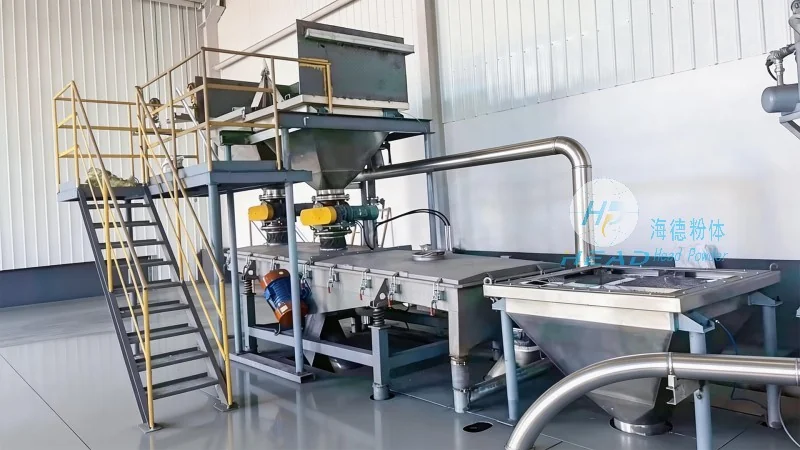
The working scene characteristics of styrene pneumatic conveying systems are tailored to the specific demands of industrial applications. In production lines for polystyrene manufacturing, the system is often integrated into a continuous process where styrene is transported from storage silos to reactors or processing units. The key characteristics of these working environments include high throughput requirements, precise control over material flow rates, and the need for minimal downtime due to the critical nature of polymer production. Another common application scenario is in chemical processing plants where styrene is used as an intermediate in the production of other chemicals. Here, the system may be used to transfer styrene between different processing stages, such as from a distillation unit to a polymerization reactor. The working scene also includes considerations for safety, as styrene is a flammable liquid and the system must be designed to prevent ignition sources and ensure proper ventilation. Additionally, the system must be capable of handling variations in material properties, such as changes in moisture content or particle size, which can affect the conveying efficiency.
Advantages and Challenges in Styrene Pneumatic Conveying
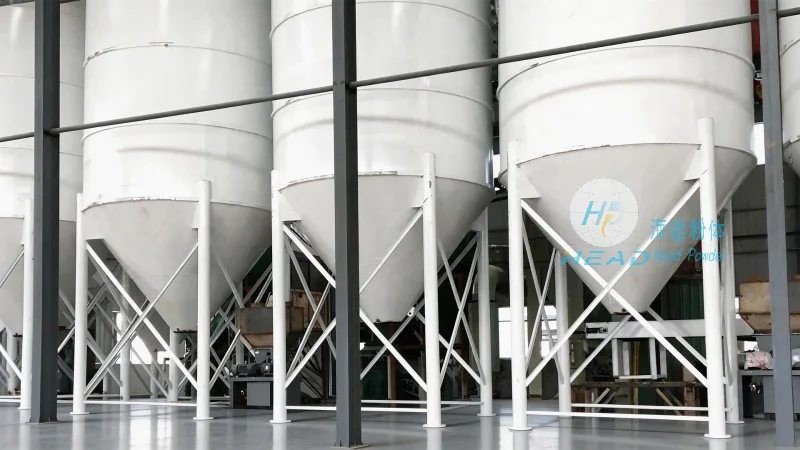
Styrene pneumatic conveying systems offer several advantages over traditional mechanical conveying methods. These include the ability to transport materials in a closed system, reducing dust emissions and improving workplace safety. The systems are also flexible, allowing for changes in material flow rates and direction without the need for extensive reconfiguration. However, there are also challenges associated with handling styrene, such as its tendency to aerosolize and cause clogging in the conveying lines. The system must be designed with appropriate filtration and cleaning mechanisms to prevent blockages and maintain consistent performance. Another challenge is the need for proper maintenance to ensure the longevity of components, as the corrosive nature of styrene can affect the materials used in the system. Despite these challenges, the benefits of pneumatic conveying in terms of efficiency and safety make it a preferred choice for styrene handling in many industrial applications.
Conclusion: Optimizing Styrene Handling with Pneumatic Conveying
In conclusion, styrene pneumatic conveying systems are essential for the efficient and safe handling of this critical chemical intermediate. The principles of pneumatic conveying, combined with specialized system components, enable the reliable transport of styrene in various industrial applications. The working scene characteristics, including high throughput, safety considerations, and material variability, are addressed through careful system design and operation. As the demand for styrene continues to grow in the polymer industry, the importance of optimizing material handling processes through advanced pneumatic conveying systems becomes increasingly evident. By understanding the core principles and operational characteristics of these systems, industrial facilities can enhance their productivity, reduce operational costs, and ensure compliance with safety and environmental regulations.




