HeadPowder, a leading manufacturer based in Shandong, China, specializes in the design, development, and production of advanced pneumatic conveying systems tailored for the handling of chromic oxide. This article delves into the fundamental principles behind these systems and highlights the key characteristics of their operational environments.
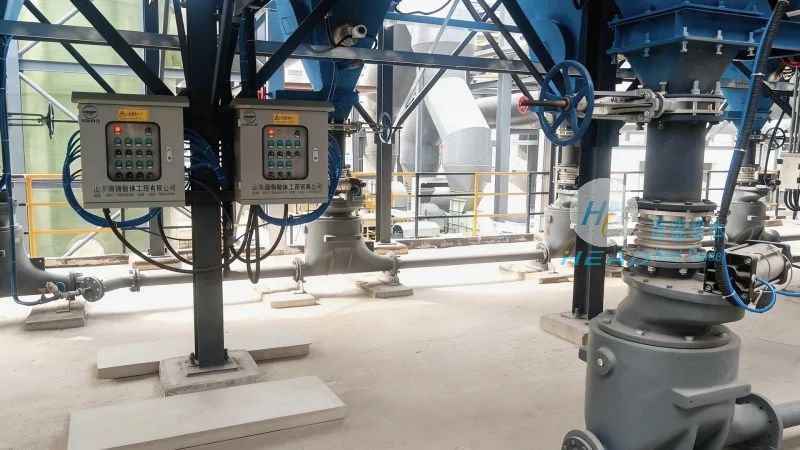
Company Overview and Product Focus
HeadPowder Engineering Co., Ltd., headquartered in Shandong, China, is dedicated to providing high-quality industrial solutions for material handling. The company's core expertise lies in pneumatic conveying technology, particularly for handling abrasive and reactive materials like chromic oxide. By leveraging years of experience and cutting-edge engineering, HeadPowder delivers reliable and efficient equipment that meets the stringent demands of various industrial applications.
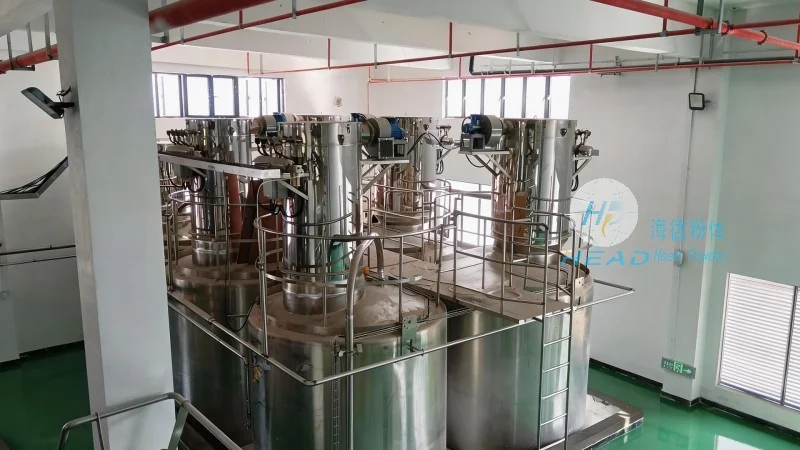
The Principle of Pneumatic Conveying for Chromic Oxide
Pneumatic conveying systems operate on the principle of transporting bulk materials through a pipeline using a gas stream, typically air or a combination of air and other gases. For chromic oxide, which is a fine, often abrasive powder, the system must be designed to handle the material's physical properties effectively. The process involves creating a pressure differential between the inlet and outlet of the conveying line. At the inlet, a high-pressure air stream is introduced, which draws the chromic oxide particles into the pipeline. The air stream then propels the material through the system, ensuring consistent and controlled flow. Key components include the feed hopper, air compressor, conveying line, and discharge device. Each component is engineered to minimize material degradation, prevent blockages, and maintain system efficiency.
Key Working Scene Characteristics
The operational environments for chromic oxide pneumatic conveying systems exhibit several distinct characteristics that influence system design and performance. First, the material's chemical properties, such as its reactivity and potential for corrosion, require specialized equipment materials, often stainless steel or other corrosion-resistant alloys, to ensure durability and safety. Second, the material's particle size and flow characteristics affect the system's air velocity and pressure requirements. Fine particles may necessitate higher air velocities to prevent settling or clogging, while larger particles may require lower velocities to avoid excessive wear on components. Third, the system's integration with other industrial processes, such as mixing, packaging, or processing, demands seamless compatibility and precise control. This includes features like adjustable flow rates, pressure monitoring, and automated control systems to maintain optimal performance under varying operational conditions.
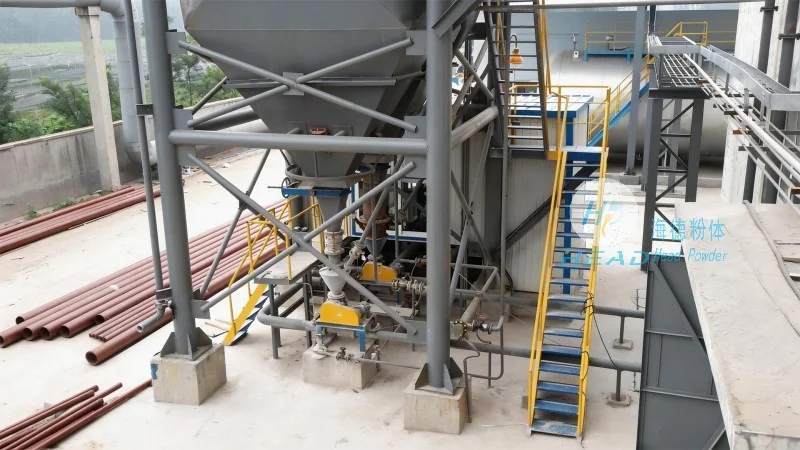
Application Scenarios and Operational Efficiency
Chromic oxide pneumatic conveying systems are widely used in various industrial sectors, including chemical manufacturing, pigment production, and metal processing. In these applications, the equipment must handle the material's specific challenges, such as its tendency to adhere to surfaces or form agglomerates. The systems are designed to address these issues through features like inline mixers, agitators, and anti-caking agents. Additionally, the systems are optimized for energy efficiency, with variable speed drives and pressure regulation to minimize power consumption while maintaining consistent material transport. This ensures that the equipment operates cost-effectively and sustainably, aligning with modern industrial standards for environmental responsibility.




