Coal and coke are fundamental raw materials across diverse industrial sectors, including steel production, power generation, and chemical manufacturing. The efficient and reliable transportation of these bulk materials is pivotal for sustaining smooth operations and optimizing production processes. Pneumatic conveying lines represent a sophisticated solution for handling coal and coke, merging advanced engineering with practical application to meet the demands of modern industrial environments. This article delves into the fundamental principles behind coal and coke pneumatic conveying systems and highlights the key characteristics of their operational scenarios, offering insights into how these technologies enhance material handling efficiency.
Principle of Pneumatic Conveying Systems
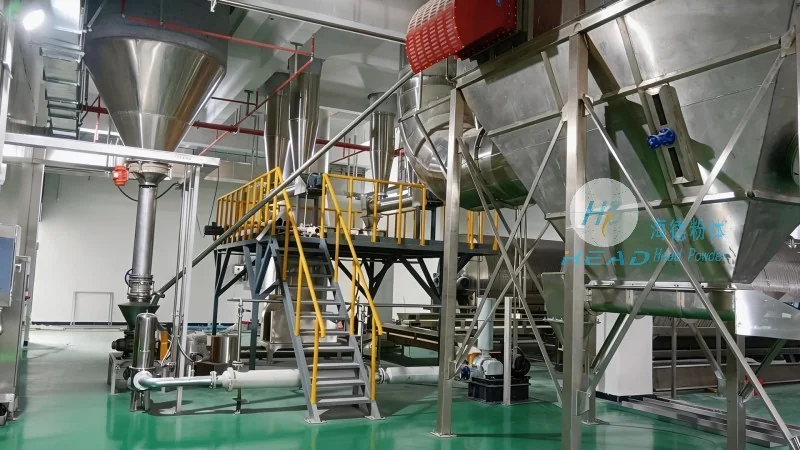
The core principle of pneumatic conveying involves transporting solid particles, such as coal and coke, using a stream of air or gas. This method operates by creating a pressure differential or vacuum within a pipeline system, which propels the material forward. There are two primary modes of pneumatic conveying: pressure and vacuum. In pressure systems, compressed air is introduced at the material inlet, pushing the particles through the pipeline. Vacuum systems, conversely, utilize a vacuum pump to draw material from the source into the pipeline. For coal and coke, pressure systems are often preferred due to their capacity to handle abrasive and heavy materials with minimal wear on components. The process typically involves a hopper or feeder that feeds the material into the pipeline, where it is mixed with air and accelerated to the desired velocity. The air-to-material ratio is carefully controlled to ensure stable and efficient transport, preventing issues like blockages or material degradation.
Working Scene Characteristics of Coal and Coke Pneumatic Conveying Lines
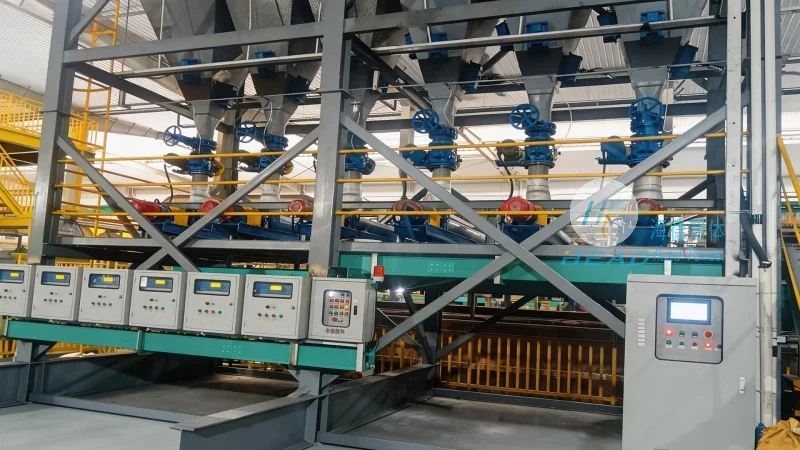
The operational scenarios for coal and coke pneumatic conveying lines vary significantly based on the specific industrial application and operational requirements. One of the most notable characteristics is the ability to handle long-distance transportation, often spanning several hundred meters or more, without the need for intermediate transfer points. This is particularly advantageous in large-scale industrial facilities where material must be moved from storage areas to processing units or from one production line to another. Another key characteristic is the high efficiency and speed of material transfer. Pneumatic systems can transport coal and coke at velocities ranging from 10 to 30 meters per second, significantly faster than traditional methods like belt conveyors or bucket elevators. This rapid transport capability reduces downtime and increases overall production throughput. Additionally, pneumatic conveying lines are highly flexible in terms of layout and integration. They can be installed in various configurations, including vertical, horizontal, or a combination of both, to adapt to the spatial constraints of different industrial settings. The systems are also designed to minimize material spillage and dust emission, contributing to a cleaner and safer working environment. In coal and coke applications, the systems are often equipped with specialized components such as wear-resistant pipelines, efficient separation units, and advanced control systems to ensure optimal performance and longevity.
Application Examples and Operational Benefits
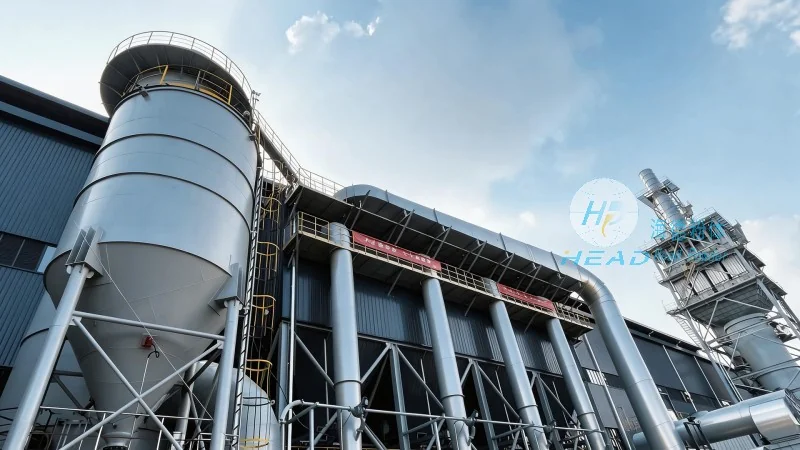
Coal and coke pneumatic conveying lines are widely used in several industrial applications. In steel mills, for instance, they are employed to transport raw coal from storage silos to the blast furnace or coke ovens. The systems ensure a continuous and reliable supply of fuel, which is critical for maintaining the high temperatures required in steel production. In power plants, pneumatic conveying lines are used to transport coal from coal bunkers to the boiler feed system, enabling efficient combustion and power generation. The operational benefits of these systems extend beyond just material transport. They reduce labor costs associated with manual handling and minimize the risk of accidents caused by heavy lifting or material spills. Furthermore, the compact design of pneumatic conveying lines allows for better space utilization in industrial facilities, which is especially valuable in urban or densely built areas. The systems also contribute to improved safety by eliminating the need for open storage and handling of bulk materials, thereby reducing the risk of dust explosions and other hazards. Overall, the integration of coal and coke pneumatic conveying lines into industrial processes enhances operational efficiency, reduces costs, and improves workplace safety.
About Shandong HeadPowder Engineering Co., Ltd.
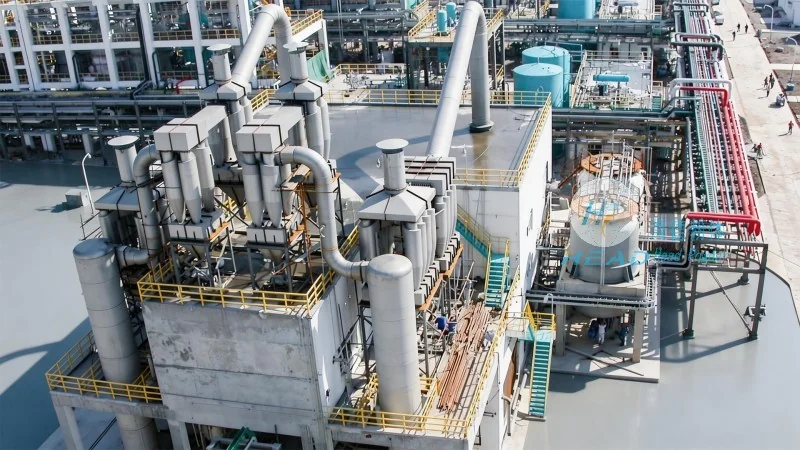
Shandong HeadPowder Engineering Co., Ltd., operating under the brand name headpowder, is a leading manufacturer and supplier of advanced material handling solutions, including coal and coke pneumatic conveying lines. With a strong focus on innovation and quality, the company has established itself as a trusted partner for industries requiring reliable and efficient bulk material transport systems. Headpowder's expertise lies in designing and manufacturing customized pneumatic conveying solutions tailored to the specific needs of clients, ensuring optimal performance and longevity. The company's facilities are located in Shandong, China, where it leverages local resources and expertise to deliver high-quality products and services. Headpowder adheres to international standards and employs advanced manufacturing techniques to ensure that its products meet the highest industry benchmarks. By combining technical excellence with a customer-centric approach, headpowder continues to provide cutting-edge solutions for the material handling challenges faced by modern industries.




