Principle and Working Scene Characteristics of Castings Gray Pneumatic Conveying Line
Release time:2026-09-18 20:01:30
name of the company:Shandong Headpowder Engineering Co., Ltd.
telephone:156-6277-7102
contacts:Zhang manager
Castings gray, often referred to as foundry dust or metal casting waste, is a common byproduct in the metal casting industry. The efficient handling and transportation of this material are crucial for maintaining production efficiency and environmental compliance. Pneumatic conveying systems, particularly those designed for handling castings gray, offer a reliable solution. This article explores the underlying principles of castings gray pneumatic conveying lines and highlights the key characteristics of their working environments.
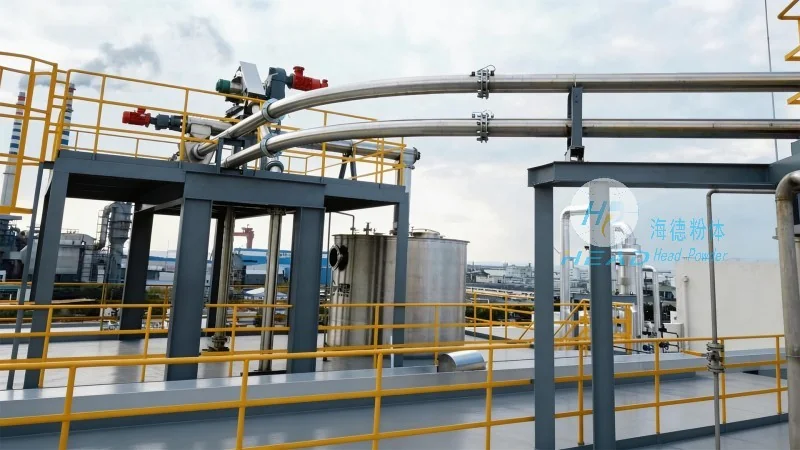
Principle of Pneumatic Conveying for Castings Gray
The core principle of pneumatic conveying involves the use of air or gas to transport bulk materials through a pipeline system. In the case of castings gray, which is typically a fine, abrasive powder, the system relies on differential pressure to move the material from the source to the destination. The process generally includes several key components: a material feed hopper, a rotary valve or feeder to control the flow of castings gray, a conveying pipeline, and a receiver or collection unit. The air is introduced into the pipeline at a controlled pressure, creating a flow that lifts and transports the castings gray particles. This method is particularly effective for materials that are difficult to handle with traditional mechanical conveyors, such as those with high moisture content or abrasive properties.
Working Scene Characteristics of Castings Gray Pneumatic Conveying Lines
The working environment for castings gray pneumatic conveying lines is tailored to the specific demands of the metal casting process. These systems are typically installed in industrial foundries, where the castings gray is generated during the casting, cleaning, and finishing stages. The key characteristics of these working scenes include:
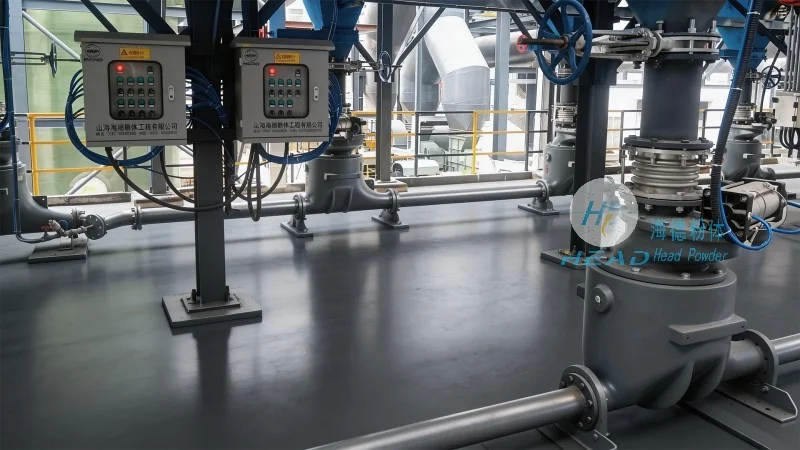
- High Volume and Continuous Operation: Foundries often produce large quantities of castings gray, requiring the conveying system to operate continuously to maintain a steady flow and prevent material buildup.
- Abrasive and Contaminated Material: Castings gray can be abrasive due to the presence of metal particles and other contaminants. This necessitates the use of durable materials for the conveying components, such as stainless steel or high-grade alloys, to ensure long-term reliability and minimize wear.
- Environmental Control: Proper ventilation and dust control are critical in foundry environments. The pneumatic conveying system is designed to capture and transport the castings gray while maintaining air quality standards, often integrating with the foundry's overall dust management system.
- Integration with Production Workflow: The conveying line is typically integrated into the production line, connecting the casting area to the recycling or disposal facilities. This integration ensures that the castings gray is handled efficiently and without disrupting the main production process.
Key Components and Design Considerations
The effectiveness of a castings gray pneumatic conveying line depends on the proper design and selection of its components. Key elements include:
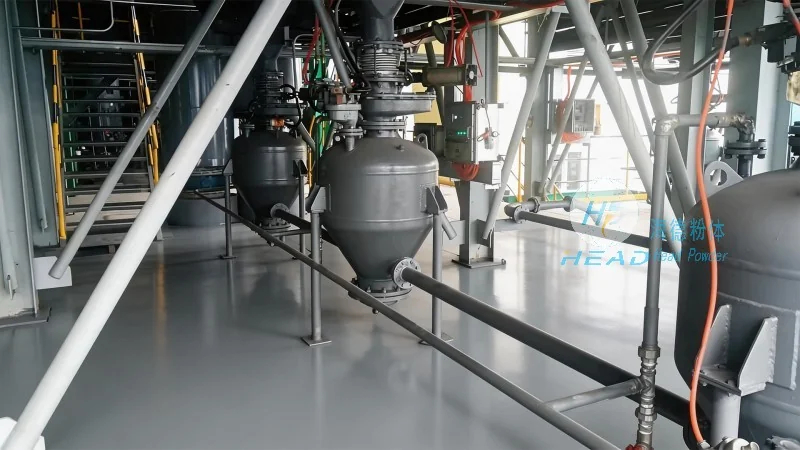
- Feeding System: A reliable feeder, such as a rotary valve or a screw feeder, is essential to control the flow rate of castings gray. This component must be able to handle the abrasive nature of the material and prevent blockages.
- Conveying Pipeline: The pipeline is usually made of corrosion-resistant materials like stainless steel or plastic, with smooth interior surfaces to minimize friction and material buildup. The pipeline layout is carefully designed to optimize air flow and reduce pressure drop.
- Receiver and Collection: The receiver is responsible for collecting the castings gray at the end of the conveying line. It is often equipped with a dust filter or cyclone separator to separate the material from the air, ensuring that the material is stored or processed without releasing dust into the environment.
- Control System: An automated control system monitors the pressure, flow rate, and temperature of the conveying process. This system ensures that the operation is efficient and safe, with the ability to detect and respond to any issues, such as blockages or pressure drops.
Benefits of Using Castings Gray Pneumatic Conveying Lines
Implementing a pneumatic conveying system for castings gray offers several advantages for foundries:
- Improved Efficiency: The continuous operation and automated control of the system reduce labor costs and increase production throughput.
- Enhanced Safety: By handling the castings gray in a closed system, the risk of dust exposure and inhalation is significantly reduced, improving workplace safety.
- Environmental Compliance: The system helps foundries meet environmental regulations by controlling dust emissions and ensuring proper disposal or recycling of the castings gray.
- Reduced Maintenance: The use of durable materials and well-designed components minimizes the need for frequent maintenance, leading to lower operational costs over time.
Conclusion
Castings gray pneumatic conveying lines are a critical component in modern metal casting operations. By understanding the underlying principles and working scene characteristics, foundries can select and implement an effective system that enhances efficiency, ensures safety, and maintains environmental compliance. With the expertise of companies like Shandong HeadPowder Engineering Co., Ltd., foundries can leverage advanced pneumatic conveying solutions to optimize their material handling processes and achieve sustainable operations.




