Ammonia fertilizer is a critical component in modern agricultural practices, and the efficient transportation of this material is essential for maintaining productivity and sustainability in farming operations. Pneumatic conveying systems have emerged as a highly effective solution for handling ammonia fertilizers, offering advantages such as reduced labor costs, improved safety, and enhanced material handling capabilities. This article explores the fundamental principles behind ammonia fertilizer pneumatic conveying lines and highlights the key characteristics of their operational environments.
Introduction to Ammonia Fertilizer Pneumatic Conveying Systems
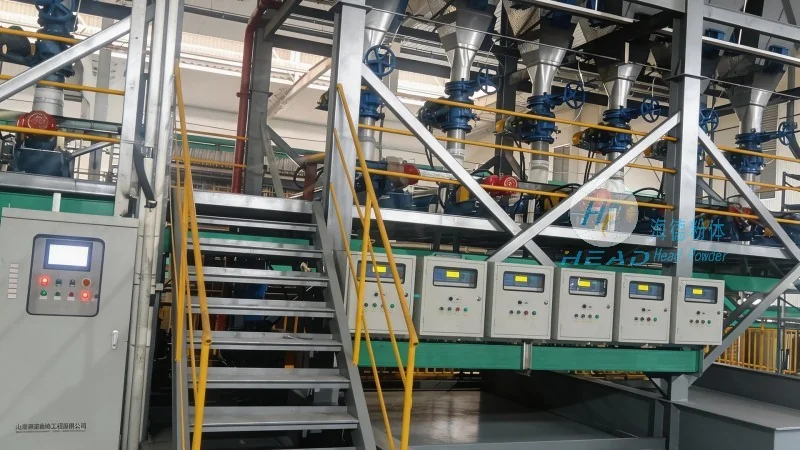
HeadPowder, a leading provider of engineering solutions in the fertilizer industry, specializes in the design, manufacturing, and installation of pneumatic conveying systems tailored to the unique needs of ammonia fertilizer applications. With a strong presence in Shandong, China, the company leverages decades of expertise to deliver reliable and efficient solutions that meet the demands of modern agricultural and industrial processes. The ammonia fertilizer pneumatic conveying line is a sophisticated system that utilizes air pressure to transport granular or powdered ammonia fertilizer from storage facilities to application points, such as spreaders or storage silos.
The Principle of Pneumatic Conveying for Ammonia Fertilizer
The core principle of ammonia fertilizer pneumatic conveying involves the use of a pressurized air stream to move the fertilizer material through a network of pipes. The system typically consists of a blower or compressor that generates the necessary air pressure, a hopper or feeder to supply the fertilizer, and a series of pipes that guide the material to its destination. As the air flows through the pipes, it entrains the fertilizer particles, creating a slurry-like mixture that is propelled forward. The velocity of the air and the size of the particles determine the efficiency of the conveying process, with optimal conditions ensuring minimal material degradation and maximum throughput.
Key Working Scene Characteristics of Ammonia Fertilizer Pneumatic Conveying Lines
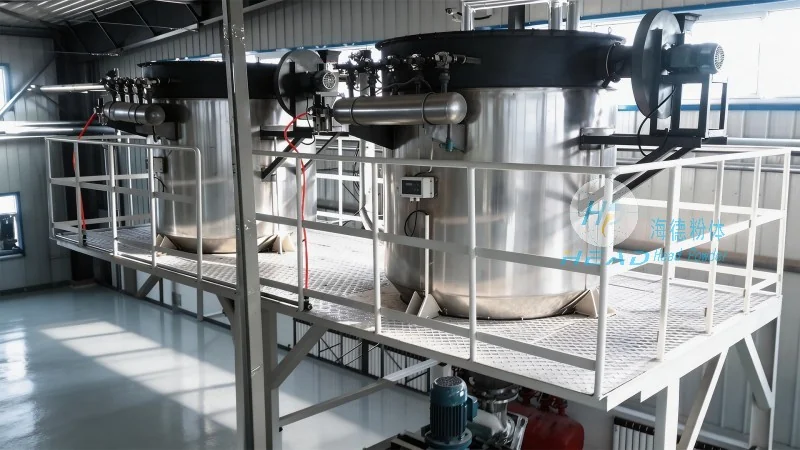
The operational environment of ammonia fertilizer pneumatic conveying lines is characterized by several critical factors that influence system performance and reliability. First, the material properties of ammonia fertilizer, including its moisture content, particle size distribution, and flowability, play a significant role in determining the system's design. For instance, wetter or finer particles may require higher air velocities or specialized hopper designs to prevent blockages and ensure smooth transport. Second, the system's layout and the distance between the fertilizer source and the application point are crucial considerations. Longer conveying distances may necessitate additional boosters or larger blower capacities to maintain sufficient pressure and velocity throughout the entire pipeline. Third, safety considerations are paramount due to the potential hazards associated with ammonia, such as its corrosive nature and flammability. Therefore, the design of the pneumatic conveying line must incorporate features like explosion-proof components, proper ventilation, and emergency shut-off mechanisms to mitigate risks and ensure compliance with industry standards.
Applications and Benefits in Agricultural and Industrial Settings
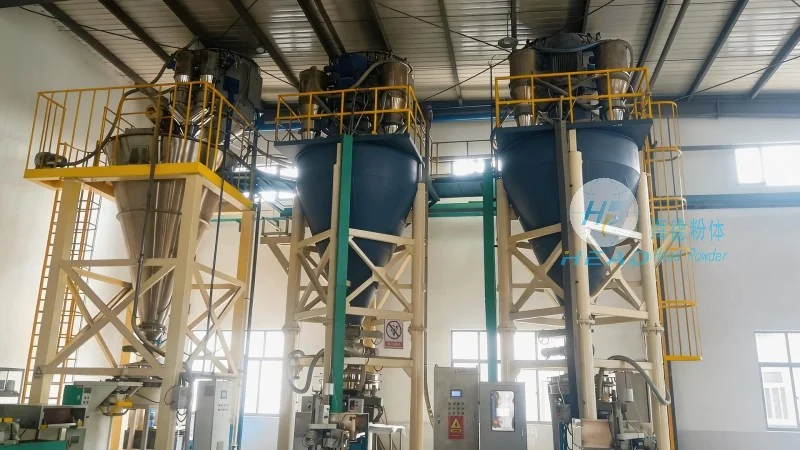
Ammonia fertilizer pneumatic conveying lines are widely used in both agricultural and industrial contexts. In agricultural settings, these systems facilitate the efficient distribution of fertilizer from storage silos to field spreaders, reducing the time and labor required for manual handling. This not only increases operational efficiency but also minimizes the risk of exposure to the fertilizer by workers. In industrial applications, such as fertilizer manufacturing plants or processing facilities, pneumatic conveying systems are employed to transport raw materials or finished products between processing stages, ensuring a continuous and seamless workflow. The benefits of using pneumatic conveying for ammonia fertilizer extend beyond efficiency and safety; it also contributes to environmental sustainability by reducing the need for heavy machinery and minimizing the potential for spills or leaks during material transport.
Conclusion and Company Overview
Ammonia fertilizer pneumatic conveying lines represent a sophisticated and efficient solution for the transportation of this vital agricultural input. By leveraging the principles of pneumatic conveying, these systems offer significant advantages in terms of productivity, safety, and environmental impact. HeadPowder, with its headquarters in Shandong, China, is committed to providing high-quality engineering solutions that meet the evolving needs of the fertilizer industry. The company's expertise in designing and implementing ammonia fertilizer pneumatic conveying systems ensures that clients receive reliable, durable, and cost-effective solutions tailored to their specific operational requirements. As the demand for efficient fertilizer handling continues to grow, the role of pneumatic conveying systems will remain critical in supporting sustainable agricultural practices and industrial operations worldwide.




