Titanium dioxide, a crucial white pigment widely used in industries such as coatings, plastics, and paper, requires efficient and reliable material handling solutions for its transportation. Pneumatic conveying lines, which utilize air to transport bulk materials like titanium dioxide, have become a preferred method in modern industrial applications due to their flexibility, cleanliness, and ability to handle fine powders without contamination. This article explores the fundamental principles behind titanium dioxide pneumatic conveying lines and highlights the key characteristics of their working scenarios, providing insights into how these systems enhance operational efficiency in material processing.
The Working Principle of Titanium Dioxide Pneumatic Conveying Lines
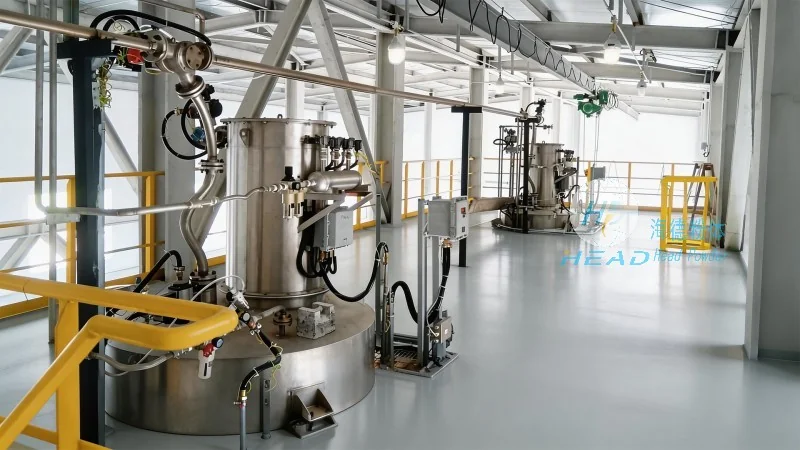
The core of a titanium dioxide pneumatic conveying system lies in its ability to transport powders using compressed air. The system typically consists of a hopper, a conveying line, a control valve, and a dust collector. The process begins with the titanium dioxide powder being fed into the hopper. As compressed air is introduced into the system, it creates a flow that lifts and transports the powder through the conveying line. The air velocity is carefully controlled to ensure the powder particles are suspended and moved efficiently without causing blockages or excessive wear on the system components. The principle of fluidization, where the powder behaves like a fluid under the influence of air, is central to the operation. This fluidization allows for smooth and continuous material transport, making it suitable for handling fine and abrasive powders like titanium dioxide.
Key Working Scene Characteristics of Titanium Dioxide Pneumatic Conveying Lines
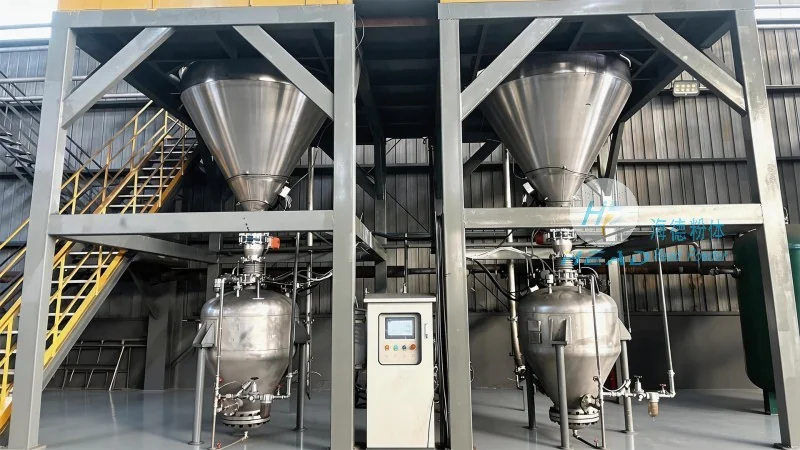
The application of titanium dioxide pneumatic conveying lines varies across different industrial settings, each with distinct characteristics that influence system design and performance. In the coatings industry, for example, these systems are used to transport titanium dioxide from storage silos to production lines, ensuring a consistent and clean supply of pigment. The working environment in this scenario demands high purity and minimal contamination, which the pneumatic conveying method provides by avoiding direct contact with external elements. In the plastics industry, the system is integrated into the production process to feed titanium dioxide into mixing and extrusion equipment. The working scene here emphasizes continuous operation and precise control of material flow, as any variation can affect the final product quality. Additionally, in the paper industry, pneumatic conveying lines are used to transport titanium dioxide for coating applications, where the system must handle large volumes of fine powder while maintaining low dust emissions. The characteristics of these working scenes include high throughput, the need for dust control, and the integration with existing production lines, all of which are addressed by the design and operation of the pneumatic conveying systems.
Company Information: Shandong HeadPowder Engineering Co., Ltd.
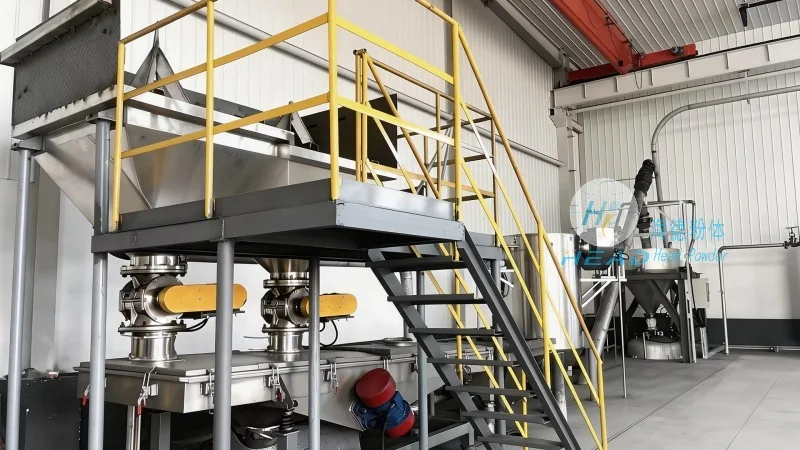
Shandong HeadPowder Engineering Co., Ltd., operating under the brand name headpowder, specializes in the design, manufacturing, and installation of advanced material handling systems, including titanium dioxide pneumatic conveying lines. With a focus on innovation and customer-centric solutions, the company has established itself as a leading provider in the industry. HeadPowder's expertise lies in tailoring pneumatic conveying systems to meet the specific requirements of clients, ensuring optimal performance and reliability. The company's facilities are located in Shandong, China, where it leverages local resources and industry knowledge to deliver high-quality products and services. By combining technical expertise with practical application experience, headpowder continues to enhance the efficiency and safety of material handling processes for titanium dioxide and other fine powders.




