Quantitative material feeding and conveying is a critical process in various industrial applications, ensuring precise and efficient material handling. This process involves the controlled delivery of bulk materials, such as powders, granules, or bulk solids, from a storage or processing unit to a downstream operation. The core principle is to maintain a consistent flow rate, which is essential for maintaining product quality, optimizing production efficiency, and reducing waste.
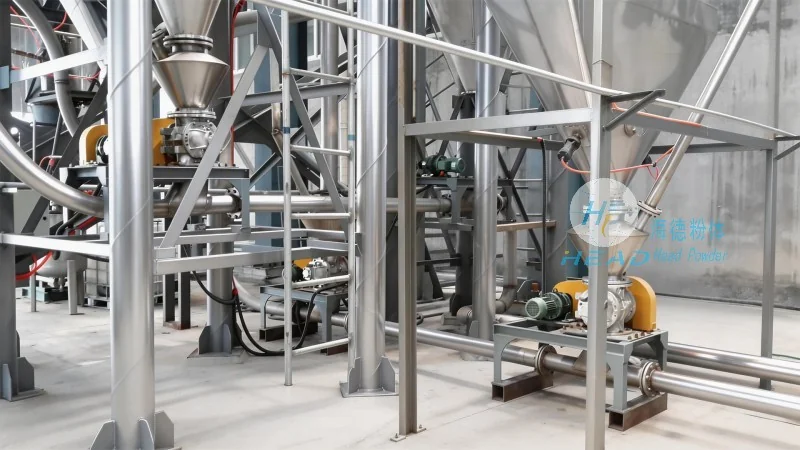
About Shandong HeadPowder Engineering Co., Ltd.
HeadPowder, as the company name suggests, specializes in engineering solutions for material handling and processing. With a strong presence in China, particularly in Shandong province, the company has established itself as a reliable provider of advanced material feeding and conveying systems. The company's expertise lies in designing and manufacturing equipment that meets the specific needs of different industries, ensuring durability, accuracy, and adaptability.
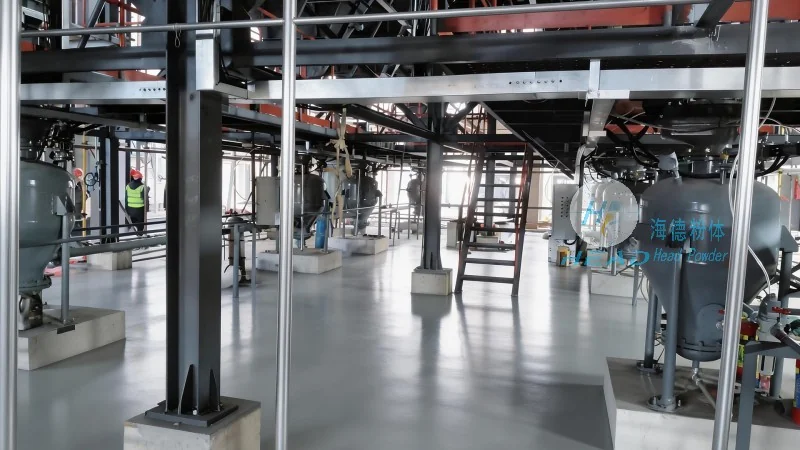
Key Application Scenarios
Quantitative material feeding and conveying systems are widely used across multiple industries, each with unique requirements. In the pharmaceutical industry, for example, precise dosing is crucial to ensure the quality and safety of medications. HeadPowder's systems are designed to meet stringent regulatory standards, providing accurate and consistent material delivery. In the food processing sector, the systems help maintain hygiene and product integrity, while handling various food powders and granules. The chemical industry also benefits from these systems, as they enable controlled mixing and processing of chemicals, reducing the risk of contamination and improving product consistency.
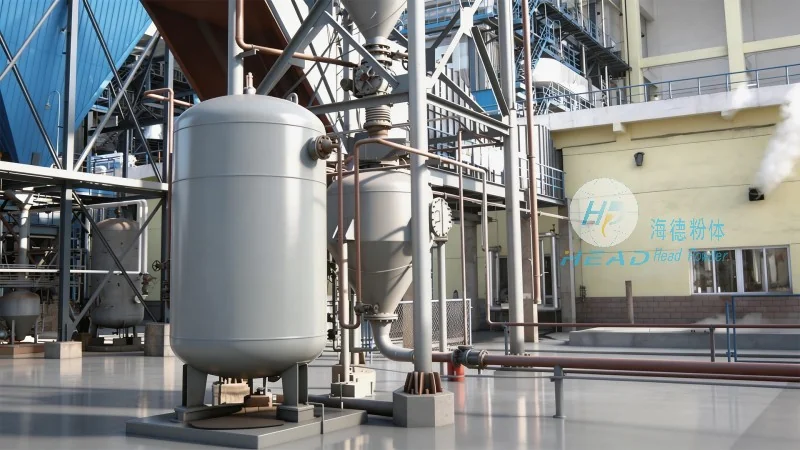
Working Principles of Quantitative Feeding Systems
The fundamental principle of quantitative material feeding involves the use of specialized equipment that can measure and control the flow rate of materials. Common types of feeding equipment include screw feeders, vibratory feeders, and belt feeders, each with its own advantages and applications. Screw feeders, for instance, use a rotating screw to push material forward, with the speed of the screw determining the flow rate. Vibratory feeders, on the other hand, use vibration to move material along a trough, allowing for precise control of the material's movement. These systems often integrate sensors and control mechanisms to monitor and adjust the flow rate in real-time, ensuring that the material is delivered at the desired rate.
Characteristics of Different Working Scenarios
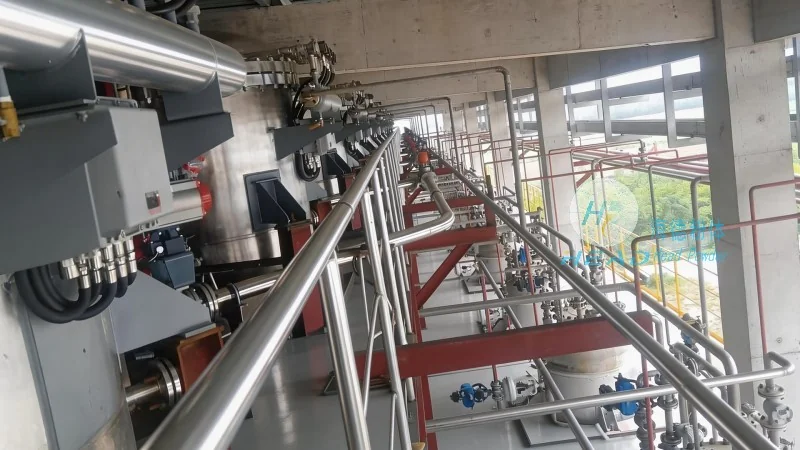
Each working scenario presents distinct challenges and requirements that influence the design and selection of quantitative feeding systems. For instance, in high-volume production environments, the system must be capable of handling large quantities of material while maintaining accuracy. In contrast, in laboratory or research settings, the focus is on precision and flexibility, allowing for small-scale material handling and experimentation. The environmental conditions, such as temperature, humidity, and dust levels, also play a significant role in determining the appropriate equipment. HeadPowder's systems are engineered to adapt to various working conditions, ensuring reliable performance in diverse industrial settings.
Conclusion
Quantitative material feeding and conveying is a vital process in modern industrial operations, enabling precise material handling and improving overall production efficiency. Shandong HeadPowder Engineering Co., Ltd. offers advanced solutions tailored to the specific needs of different industries, combining precision engineering with robust design. By understanding the principles and application scenarios of these systems, industries can optimize their material handling processes, enhance product quality, and achieve greater operational efficiency.




