Corn material conveying is a critical process in agricultural and industrial operations, involving the efficient movement of corn from one location to another. This process is essential for various applications, including storage, processing, and transportation. Understanding the underlying principles and the specific characteristics of different working scenes is vital for optimizing efficiency and ensuring operational reliability. The following sections will delve into the core principles of corn material conveying and explore the distinct features of common working environments where these systems are applied, as developed by companies like Shandong HeadPowder Engineering Co., Ltd. (headpowder), based in China.
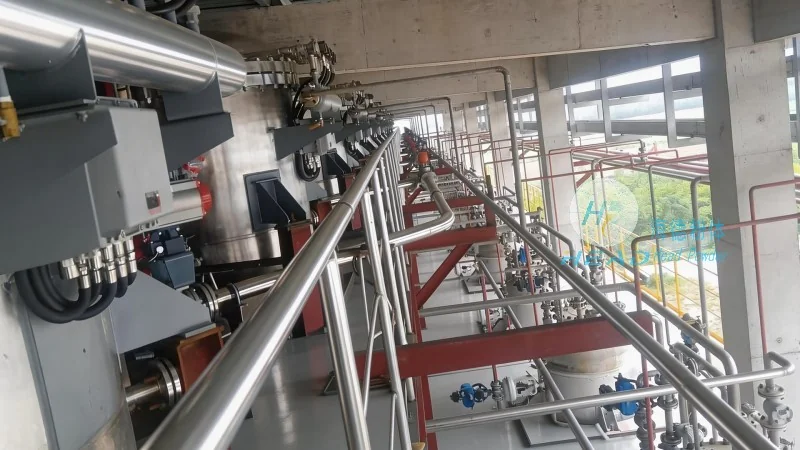
Core Principles of Corn Material Conveying
The fundamental principle of corn material conveying revolves around the use of mechanical systems to transport bulk materials like corn. These systems typically employ components such as belts, screws, buckets, or pneumatic mechanisms to move the material. The choice of conveying method depends on factors like the physical properties of the corn (e.g., moisture content, size, and density), the distance to be covered, and the required throughput. For instance, belt conveyors are widely used for horizontal or slightly inclined transport due to their simplicity and ability to handle large volumes. Screw conveyors, on the other hand, are suitable for vertical or inclined transport and are particularly effective in processing environments where mixing or feeding is required. Pneumatic conveying systems utilize air pressure to move corn, which is advantageous in applications where dust control and minimal material degradation are priorities.
Working Scene Characteristics of Corn Material Conveying
The characteristics of corn material conveying systems vary significantly based on the specific working scene. In agricultural settings, such as on-farm storage facilities or grain elevators, the primary goal is often to move freshly harvested corn from the field to storage silos or processing plants. These scenes typically involve high volumes of raw material and require robust, durable equipment capable of handling the rough conditions of outdoor operations. The conveying systems in these environments must be designed to withstand exposure to weather elements, dust, and potential impacts from the material itself. Additionally, the speed and capacity of the system are critical to meet the demands of seasonal harvesting and to prevent delays in the overall production cycle.
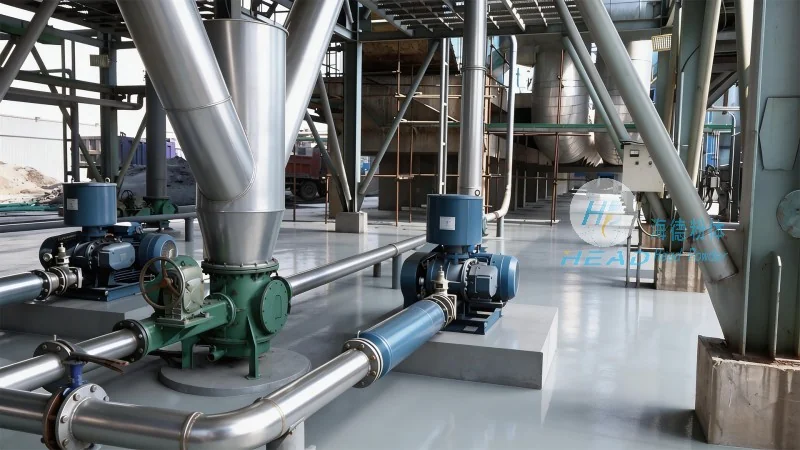
Industrial Processing Environments
In industrial processing facilities, corn material conveying plays a crucial role in the subsequent stages of production, such as milling, drying, or further processing. The working scene in these settings is characterized by a more controlled environment, where the focus is on precision and efficiency. The conveying systems here often integrate with other processing equipment, such as grinders or separators, to ensure a smooth flow of material through the production line. The characteristics of these systems include higher speeds, more complex control mechanisms, and the ability to handle corn in various forms, including whole kernels, broken pieces, or even processed products like cornmeal or grits. The design of the conveying system must also consider the need for hygiene and sanitation, as many industrial processes involve food products that require strict compliance with safety standards.
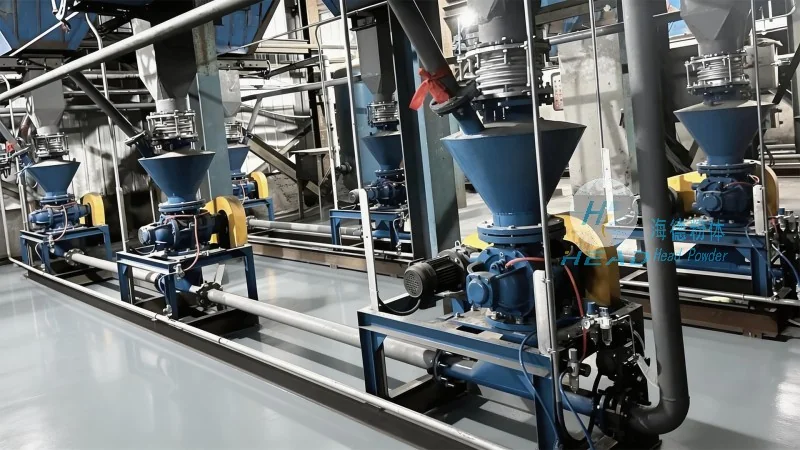
Storage and Distribution Centers
Storage and distribution centers represent another important working scene for corn material conveying. In these facilities, the primary objective is to move corn from storage silos to loading areas or to transport it to other locations for distribution. The characteristics of this scene include large storage capacities and the need for efficient batch handling. The conveying systems used in these centers are often designed for high throughput and reliability, as they are responsible for managing significant volumes of corn over extended periods. The working environment may involve both indoor and outdoor components, such as loading docks or outdoor storage areas, which requires versatile equipment capable of adapting to different conditions. The systems must also be equipped with monitoring and control features to ensure proper inventory management and to prevent overfilling or underfilling of storage units.
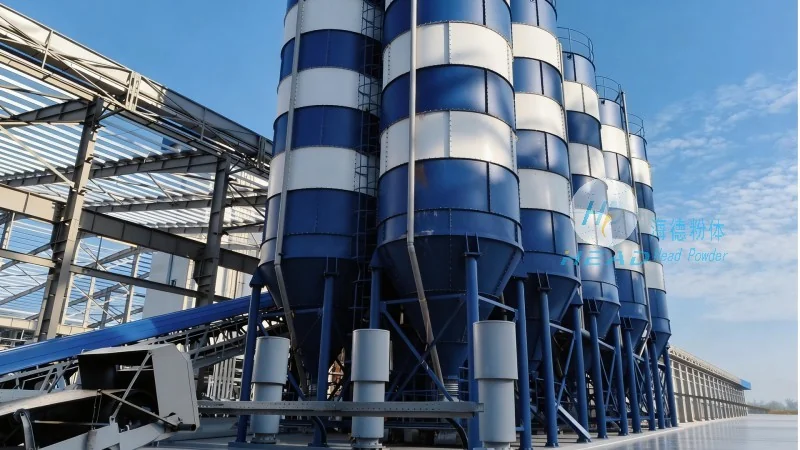
Key Considerations for Effective Corn Material Conveying
Regardless of the working scene, several key considerations are essential for the effective operation of corn material conveying systems. First, the material properties of corn, such as its moisture content and size distribution, directly impact the choice of conveying method and the design of the system. For example, high-moisture corn may require different handling techniques to prevent caking or blockages in the conveyor. Second, the distance and elevation changes between the start and end points of the conveying process are critical factors in determining the appropriate equipment and power requirements. A system designed for a short horizontal distance may not be suitable for a long vertical lift without adjustments to the drive and tension components. Third, the need for maintenance and operational flexibility should be considered when selecting a conveying system. Systems that are easy to clean, maintain, and adjust can significantly reduce downtime and operational costs over the long term.
Conclusion
In conclusion, corn material conveying is a multifaceted process that requires a deep understanding of both the mechanical principles and the specific characteristics of the working environment. By selecting the appropriate conveying system based on the material properties, distance, and operational requirements, industries can achieve optimal efficiency and reliability in their corn handling operations. The working scenes, ranging from agricultural storage to industrial processing and distribution centers, each present unique challenges and opportunities that demand tailored solutions. As technology advances, the development of more efficient and sustainable conveying systems continues to improve the overall performance of corn material handling, benefiting both producers and consumers in the agricultural sector.




