HeadPowder, a leading manufacturer based in Shandong, China, specializes in the design and production of advanced synthetic rubber material handling equipment. This article delves into the fundamental principles behind these systems and highlights the key characteristics that define their operational effectiveness across various industrial applications.
Understanding the Core Principles of Synthetic Rubber Material Handling Equipment
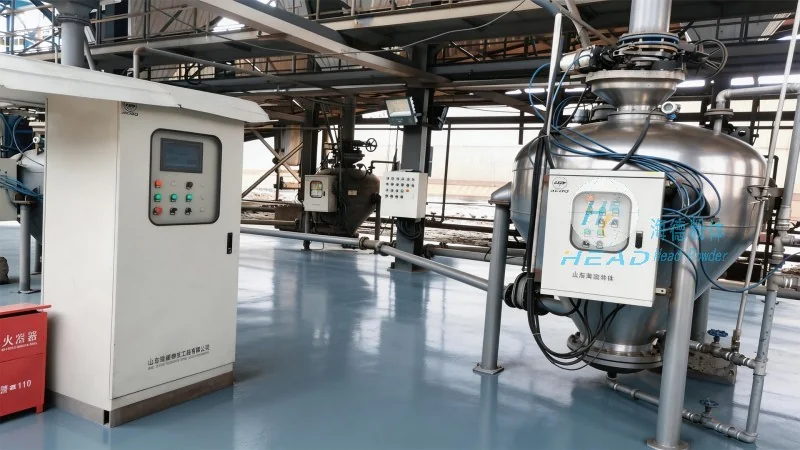
Synthetic rubber material handling equipment operates on principles that ensure efficient, safe, and reliable transportation of rubber materials. The primary components typically include a conveyor system, feeding mechanisms, control units, and material handling accessories. The conveyor system, often utilizing belt or screw mechanisms, is engineered to handle the unique properties of synthetic rubber, such as its elasticity, density, and potential for dust generation. Feeding mechanisms, like hoppers or feeders, ensure a consistent flow of material into the conveyor, minimizing blockages and optimizing throughput. Control units, equipped with sensors and automation technology, monitor and adjust the system's performance in real-time, enhancing operational efficiency and reducing downtime. Material handling accessories, including chutes, dividers, and protective covers, are designed to manage the material's movement and protect the equipment from wear and tear.
Key Working Scene Characteristics of Synthetic Rubber Material Handling Equipment
The effectiveness of synthetic rubber material handling equipment is heavily influenced by the specific working scenes in which they are deployed. These characteristics can be categorized into several key aspects that impact performance and suitability for different industrial needs.
Industrial Application Scenarios and Equipment Adaptability
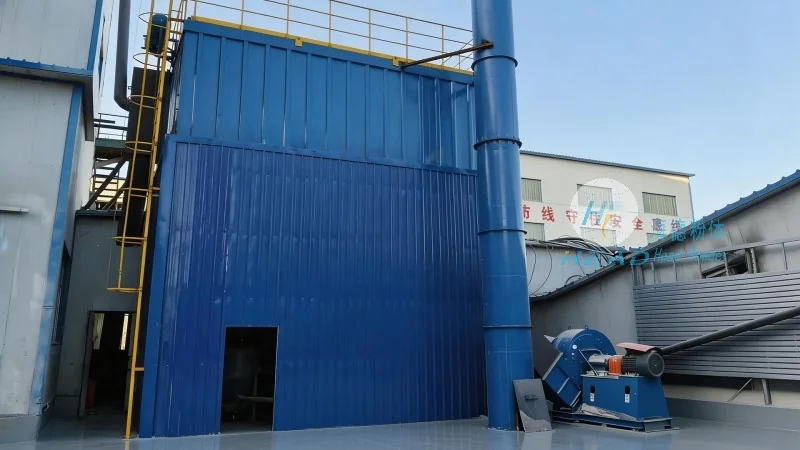
In the rubber manufacturing industry, synthetic rubber material handling equipment is commonly used in processes such as mixing, compounding, and extrusion. The equipment must be adaptable to handle various forms of synthetic rubber, including granules, powders, and sheets. For instance, in a compounding plant, the system may need to transport rubber pellets from storage silos to mixing machines, requiring precise control over speed and volume to maintain consistent material quality. In an extrusion line, the equipment might handle rubber sheets or cords, demanding robust conveyor belts and tension control mechanisms to prevent material stretching or tearing. The adaptability of the equipment to different rubber types and processing stages is a critical characteristic that ensures seamless integration into existing production lines.
Operational Efficiency and Throughput Optimization
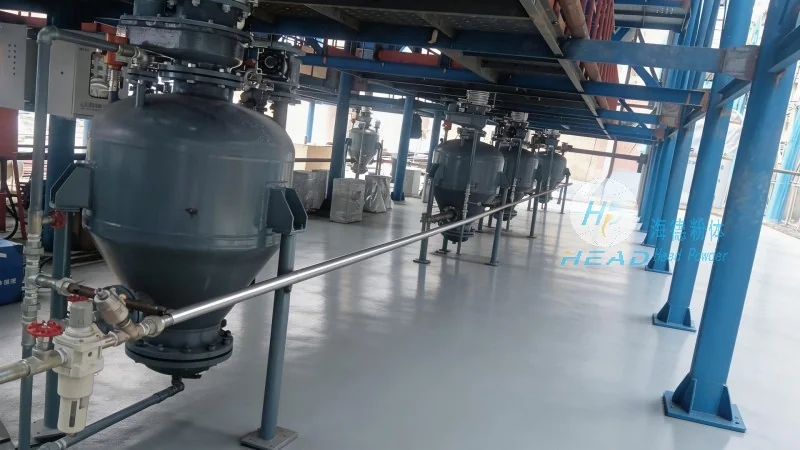
Working scene characteristics also focus on operational efficiency and throughput optimization. The design of the equipment, including the conveyor speed, feed rate, and system layout, is tailored to maximize material handling capacity while minimizing energy consumption. Advanced control systems enable dynamic adjustments based on real-time production demands, allowing for flexible operation in varying production volumes. For example, in a high-volume tire manufacturing facility, the material handling system must maintain a consistent flow of synthetic rubber to meet the demands of continuous production, with minimal interruptions. The ability to handle large volumes of material quickly and reliably is a defining characteristic that enhances overall production efficiency and reduces bottlenecks in the manufacturing process.
Safety and Environmental Considerations in Working Scenes
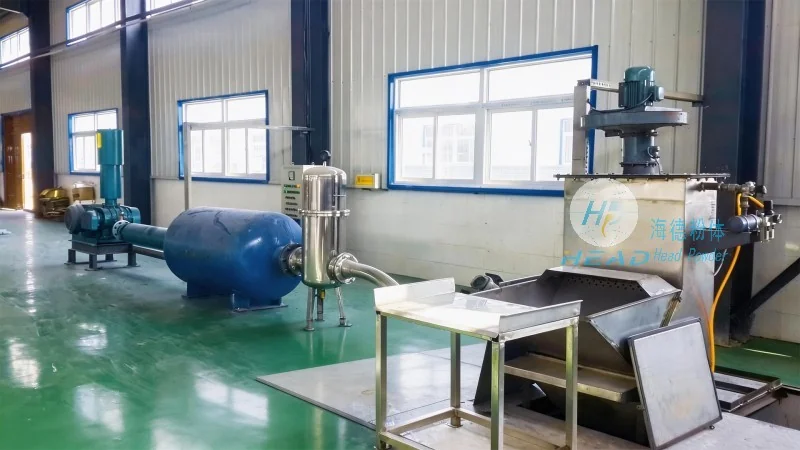
Another important aspect of working scene characteristics is safety and environmental protection. Synthetic rubber material handling equipment is designed with safety features to prevent accidents and protect operators. These may include emergency stop buttons, protective guards around moving parts, and dust suppression systems to minimize airborne particles. The equipment is also engineered to comply with environmental regulations, reducing the impact of material handling on the surrounding environment. For instance, in an indoor processing facility, the system may incorporate dust collection and filtration systems to maintain air quality and prevent respiratory hazards. In outdoor applications, such as raw material storage and transport, the equipment may include weather-resistant components to withstand environmental conditions and ensure continuous operation. The integration of safety and environmental features into the working scene design is crucial for maintaining a safe and sustainable operational environment.
Maintenance and Durability in Real-World Working Conditions
The working scene characteristics also extend to the durability and maintenance requirements of the equipment. Synthetic rubber material handling systems are exposed to harsh conditions, including high temperatures, chemical exposure, and abrasive materials, which can affect their longevity. The equipment is constructed from materials that resist wear and corrosion, such as stainless steel or specialized polymers, to ensure long-term performance. Regular maintenance procedures are essential to keep the system operating efficiently, including cleaning, lubrication, and component replacement. The design of the equipment, with easy access to critical parts, facilitates maintenance and reduces downtime. For example, in a tire factory, the conveyor system may be subjected to frequent contact with rubber compounds, requiring regular inspection and replacement of conveyor belts to prevent breakdowns. The durability and ease of maintenance are key characteristics that contribute to the overall reliability and cost-effectiveness of the material handling equipment in real-world working conditions.




