Understanding the fundamental principles and operational characteristics of tailings material handling systems is crucial for optimizing industrial processes in mining and related sectors. This article delves into the technical aspects of such systems, highlighting their design, functionality, and typical application environments. The focus is on providing a comprehensive overview that aids in the selection and implementation of efficient tailings handling solutions.
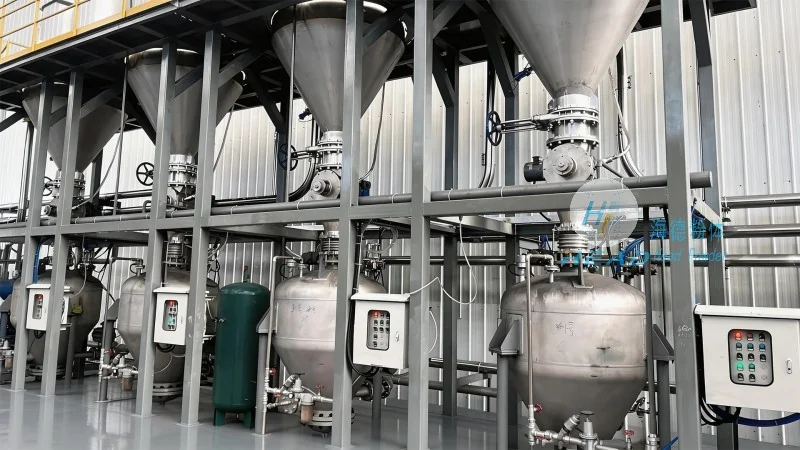
Introduction to Tailings Material Handling Systems
Tailings, the fine-grained residue left after mineral processing, require specialized equipment for safe and effective transportation. The systems designed for this purpose are engineered to handle high volumes of material while ensuring environmental compliance and operational efficiency. These systems are integral to modern mining operations, enabling the management of tailings in a controlled manner to prevent environmental hazards and maximize resource utilization.
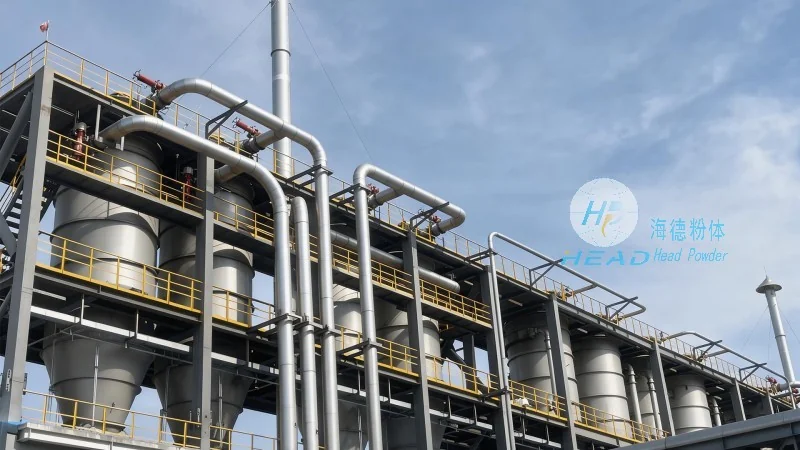
Core Principles of Tailings Material Handling Equipment
The operation of tailings material handling systems is based on several key principles that ensure reliability and performance. These include the use of robust conveyor mechanisms, such as belt conveyors and screw conveyors, which are adapted to handle the specific properties of tailings—typically fine particles with high moisture content. The systems are designed to minimize material degradation, prevent blockages, and maintain consistent flow rates. Additionally, the equipment incorporates features like adjustable speed controls, material feeding mechanisms, and protective structures to enhance safety and operational longevity.
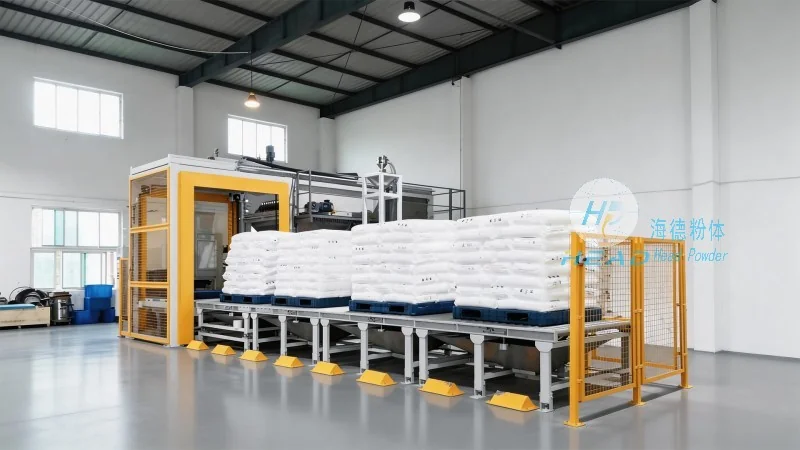
Working Scene Characteristics and Application Environments
The working scene characteristics of tailings material handling systems vary significantly based on the specific mining operation and the nature of the tailings being processed. For instance, in open-pit mining, the systems may need to handle large volumes of material over long distances, often involving multiple stages of transportation. In contrast, in underground mining, the equipment must be compact and capable of operating in confined spaces. The environmental conditions, such as temperature fluctuations, humidity, and exposure to corrosive substances, also influence the design and selection of the handling equipment. The systems are typically installed in areas where the tailings are generated, transported to storage facilities, or used for backfilling operations. The characteristics of the working scene, including the layout of the mining site, the distance to be covered, and the required throughput, directly impact the choice of equipment and its configuration.
Key Features and Advantages of Tailings Handling Systems
Modern tailings material handling systems from Shandong HeadPowder Engineering Co., Ltd. (headpowder) offer several advantages that enhance their performance and reliability. These systems are engineered with durable materials to withstand the harsh conditions of tailings handling, including high abrasion resistance and corrosion resistance. The use of advanced control systems allows for precise regulation of material flow, ensuring consistent operation and minimizing downtime. Additionally, the systems are designed for easy maintenance and repair, reducing operational costs and increasing overall efficiency. The integration of safety features, such as emergency stop mechanisms and overload protection, ensures the protection of personnel and equipment during operation.
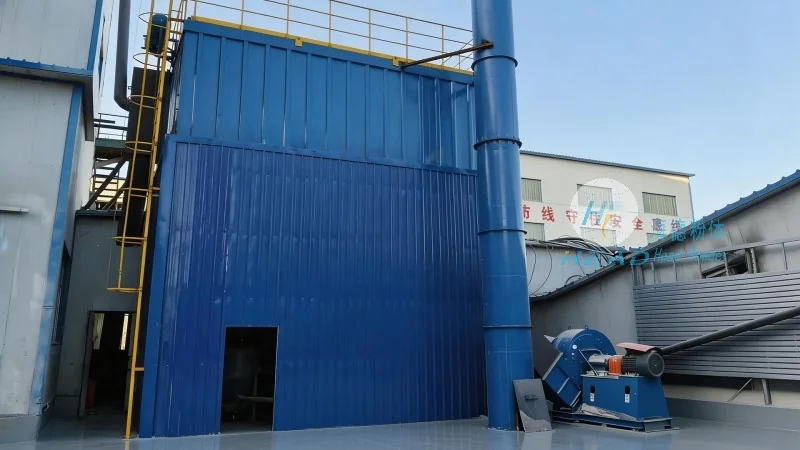
Conclusion and Practical Implications
In conclusion, the tailings material handling systems are critical components of modern mining operations, designed to handle the unique challenges of tailings transportation. The principles and characteristics outlined above highlight the importance of selecting and implementing the right equipment for specific operational needs. By understanding the technical aspects and working scene requirements, mining companies can optimize their tailings management processes, ensuring environmental compliance, operational efficiency, and long-term sustainability. The systems from Shandong HeadPowder Engineering Co., Ltd. provide reliable and efficient solutions tailored to the diverse needs of the mining industry.




