Plastic powder material handling systems are essential in modern industrial processes, facilitating the efficient transport of plastic powders from storage to processing units. These systems are engineered to address the unique challenges of handling fine, abrasive, and often hygroscopic plastic powders, ensuring consistent flow, preventing degradation, and optimizing operational efficiency. The systems are critical for industries such as plastic manufacturing, recycling, and material compounding, where reliable powder feed is essential for product quality and production continuity.
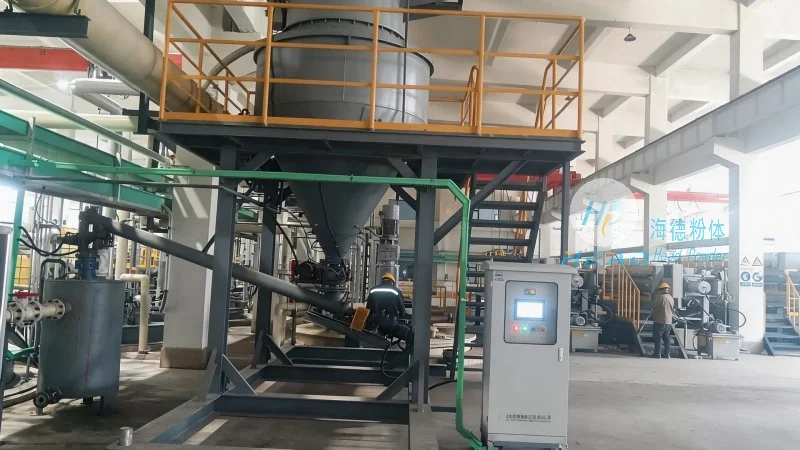
Principle of Plastic Powder Material Handling Systems
The fundamental principle of plastic powder material handling systems is to create a controlled environment for powder flow, minimizing issues like caking, bridging, and segregation. Key components include hoppers, feeders, conveyors, and control systems. Hoppers are designed with specific geometries to promote uniform material distribution and prevent stagnant zones that could lead to caking. Feeders, such as rotary valves or vibratory feeders, regulate the flow rate of plastic powder, ensuring a steady supply to downstream equipment. Conveyors, including pneumatic or mechanical systems, transport the powder through pipelines or enclosed channels, maintaining consistent pressure and temperature to avoid degradation. Control systems monitor and adjust parameters like pressure, flow rate, and temperature in real-time, optimizing performance and ensuring product quality. The design emphasizes material compatibility, with components constructed from materials like stainless steel or specialized alloys to withstand the corrosive and abrasive nature of plastic powders.
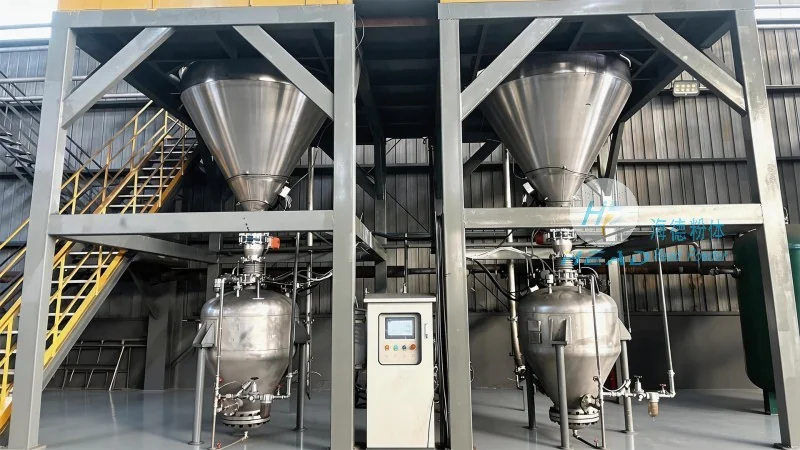
Working Scene Characteristics of Plastic Powder Material Handling Systems
The working scene characteristics of plastic powder material handling systems are tailored to the specific demands of industrial applications. In manufacturing settings, these systems are integrated into production lines for plastic extrusion, injection molding, or compounding, where precise powder feed rates are crucial for product consistency. The systems are designed to handle a wide range of plastic powders, from common polymers like polyethylene and polypropylene to specialized engineering plastics, adapting to different particle sizes, densities, and flow properties. In recycling operations, plastic powder material handling systems play a vital role in processing post-consumer waste, transporting reclaimed plastic powders to reprocessing units and ensuring the quality of recycled materials. The working environment often involves high material volumes, requiring robust and durable equipment capable of continuous operation and resistance to contamination. Additionally, these systems are optimized for energy efficiency and minimal maintenance, reducing operational costs and downtime in industrial settings. The integration of advanced control technologies enhances operational flexibility, allowing adjustments to be made quickly based on production needs.
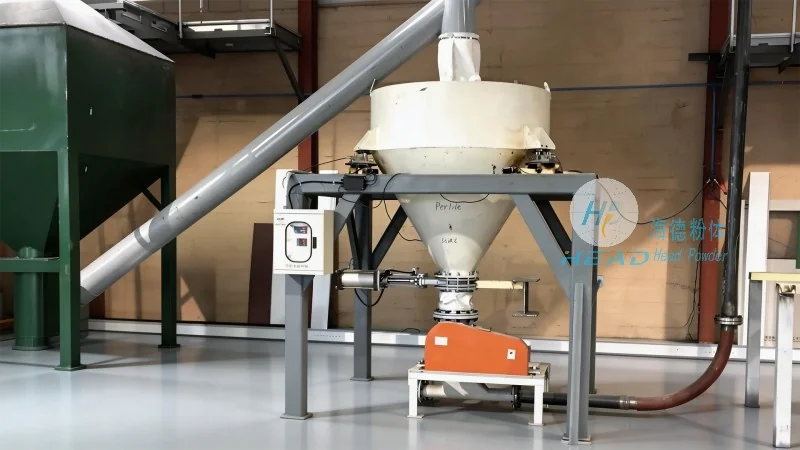
Application Scenarios and Operational Advantages
Plastic powder material handling systems are applied in diverse industrial scenarios, each offering distinct operational advantages. In the plastic manufacturing industry, these systems enhance production efficiency by providing reliable and consistent powder feed, reducing downtime caused by material blockages or uneven flow. The ability to handle different plastic powders and adjust flow rates allows manufacturers to produce a variety of products with consistent quality. In the recycling sector, the systems contribute to sustainable material management by ensuring efficient processing of reclaimed plastic powders. The operational advantages also include improved workplace safety, as enclosed systems minimize dust emissions and prevent exposure to fine particles. Furthermore, the systems are designed for scalability, allowing them to be adapted to increasing production demands or expanded processing capabilities, making them a versatile solution for various industrial applications. The use of modular designs facilitates easy integration into existing production lines, reducing installation time and costs.
Technical Specifications and Performance Metrics
Technical specifications of plastic powder material handling systems vary based on the application and material being handled. Key performance metrics include flow rate capacity, which can range from low to high depending on the production scale, and material handling capacity, measured in terms of tonnage per hour. The systems are engineered to maintain low pressure differentials, minimizing energy consumption and ensuring smooth powder flow. Materials of construction, such as stainless steel or specialized alloys, are used to prevent corrosion and ensure durability, especially when handling hygroscopic or corrosive plastic powders. Control systems incorporate advanced sensors and feedback mechanisms to monitor and adjust parameters dynamically, optimizing performance and preventing system failures. The design also considers space constraints, with compact systems suitable for limited installation areas and modular configurations for easy integration into existing production lines. Additionally, the systems are equipped with safety features like dust suppression and emergency shut-off mechanisms to enhance operational safety.
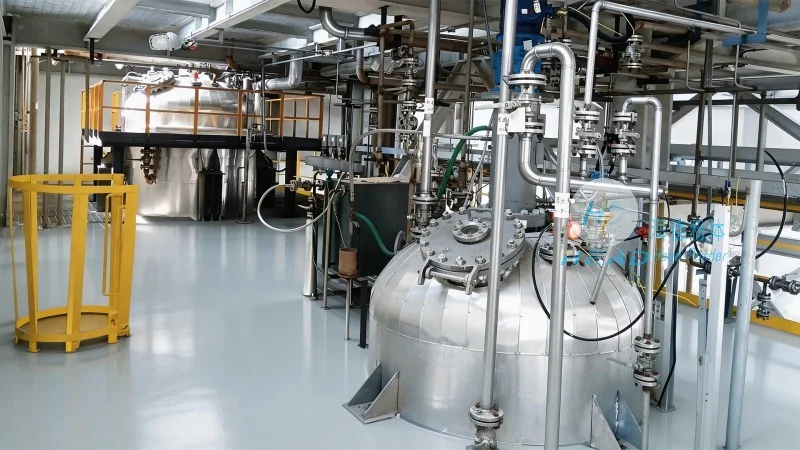
Conclusion and Industry Impact
Plastic powder material handling systems are indispensable in modern industrial operations, providing efficient and reliable solutions for transporting plastic powders. The principles and working scene characteristics of these systems are tailored to meet the specific demands of various applications, ensuring optimal performance and product quality. As industries continue to prioritize sustainability and efficiency, the importance of these systems in maintaining production continuity and reducing waste will only grow. The robust design, advanced control systems, and adaptability of plastic powder material handling systems make them a critical component in the plastic manufacturing and recycling sectors, contributing to the overall success and competitiveness of industrial operations. Companies like Shandong HeadPowder Engineering Co., Ltd. specialize in designing and manufacturing these systems, ensuring they meet the diverse needs of industrial clients in China and beyond.




