At the heart of sodium carbonate powder pneumatic conveying lies the fundamental principle of using air or gas as a transport medium to move solid particles through a pipeline. This process relies on creating a pressure differential between the conveying line and the surrounding environment, which generates the necessary force to propel the powder particles. The system typically consists of a blower or compressor that generates the air flow, a hopper or feeder to introduce the sodium carbonate powder into the system, and a pipeline network that transports the material to the destination. The pressure differential can be achieved through either positive pressure (where the conveying line is pressurized above atmospheric pressure) or negative pressure (where the conveying line is depressurized below atmospheric pressure). Positive pressure systems are commonly used for long-distance or high-capacity conveying, as they can maintain consistent flow rates and handle abrasive or corrosive materials like sodium carbonate. Negative pressure systems, on the other hand, are often employed for short-distance or low-volume applications, where the risk of dust emission is a concern. The choice between these two systems depends on factors such as the material's properties, the required conveying distance, and the environmental regulations governing dust control.
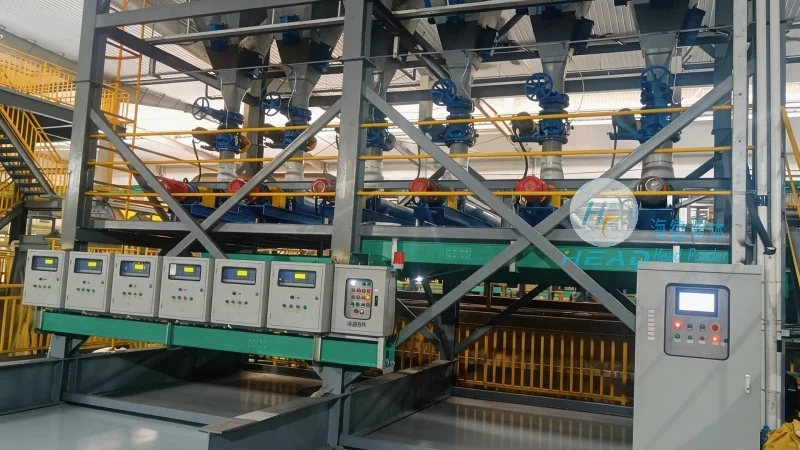
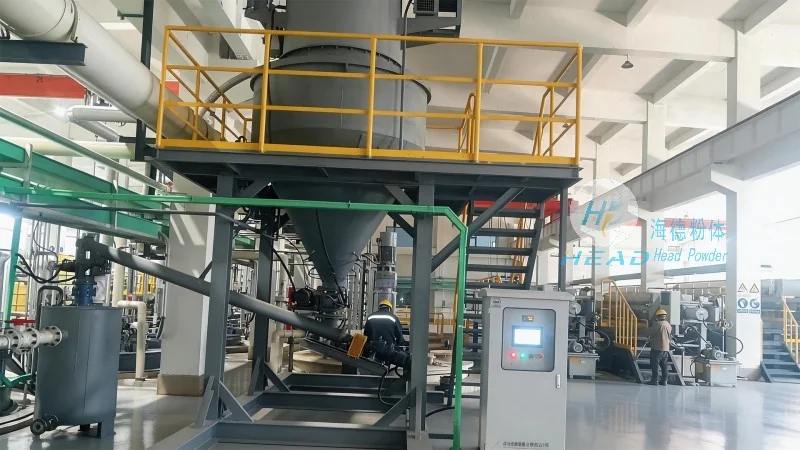
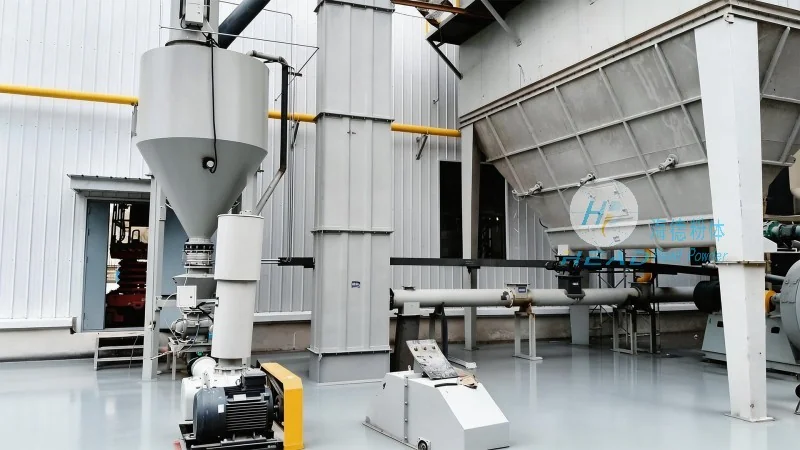
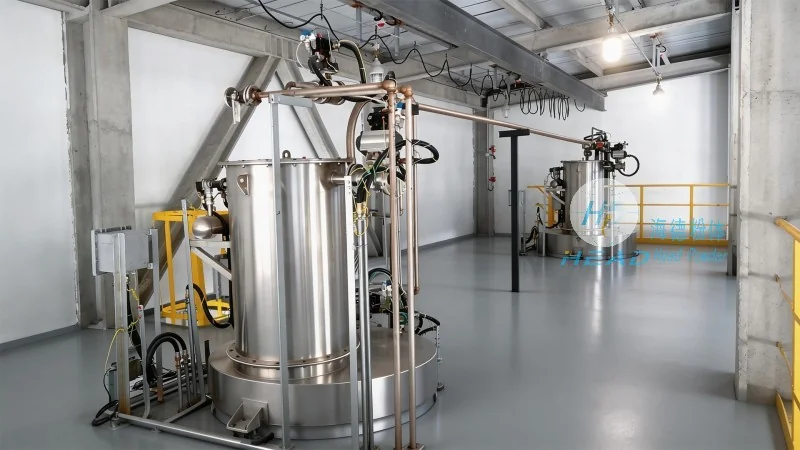
Working Scene Characteristics of Sodium Carbonate Powder Pneumatic Conveying
The working scene characteristics of sodium carbonate powder pneumatic conveying systems are shaped by a combination of material properties, operational requirements, and environmental factors. For sodium carbonate, a common industrial chemical, the system must be designed to handle its specific characteristics, such as its relatively fine particle size (typically ranging from 100 to 500 microns) and moderate bulk density (around 0.9 to 1.1 g/cm³). These properties influence the system's design, including the selection of appropriate air velocities and pipeline diameters to ensure smooth material flow without excessive pressure drop or particle segregation. The working scene may also involve varying moisture content in the powder, which can affect its flowability and the risk of caking or blockage in the conveying line. To mitigate these issues, the system may incorporate features such as pre-drying or conditioning of the powder before it enters the conveying line, ensuring consistent performance. Additionally, the working scene may require the system to integrate with other equipment, such as mixers, reactors, or storage silos, where the pneumatic conveying system serves as a critical link in the overall material handling process. This integration ensures that the sodium carbonate is delivered to the next stage of production in a controlled and efficient manner, minimizing downtime and maximizing productivity.
Company Information and Application Context
HeadPowder Engineering Co., Ltd., headquartered in Shandong, China, is a specialized engineering firm dedicated to providing comprehensive solutions for bulk material handling, with a particular focus on pneumatic conveying systems for sodium carbonate and other industrial powders. The company's expertise stems from years of experience in designing, manufacturing, and installing advanced material handling equipment tailored to the unique needs of various industries. By leveraging cutting-edge technology and a deep understanding of material properties, HeadPowder ensures that its pneumatic conveying systems deliver optimal performance, reliability, and cost-effectiveness. The company's solutions are engineered to meet the demands of modern industrial operations, where efficiency and sustainability are paramount. Whether for chemical manufacturing, food processing, or pharmaceutical production, HeadPowder's systems are designed to handle the challenges of transporting sodium carbonate powder, including its fine particle size, potential for dust generation, and varying moisture content. Through continuous innovation and customer-centric approach, HeadPowder has established itself as a trusted partner for businesses seeking to enhance their material handling processes and improve overall operational efficiency.




