HeadPowder, a leading manufacturer based in Shandong, China, specializes in the design and production of advanced pneumatic conveying systems tailored for graphite materials. This article delves into the fundamental principles behind these systems and explores the key working scene characteristics that define their application in various industrial settings.
Principle of Pneumatic Conveying for Graphite
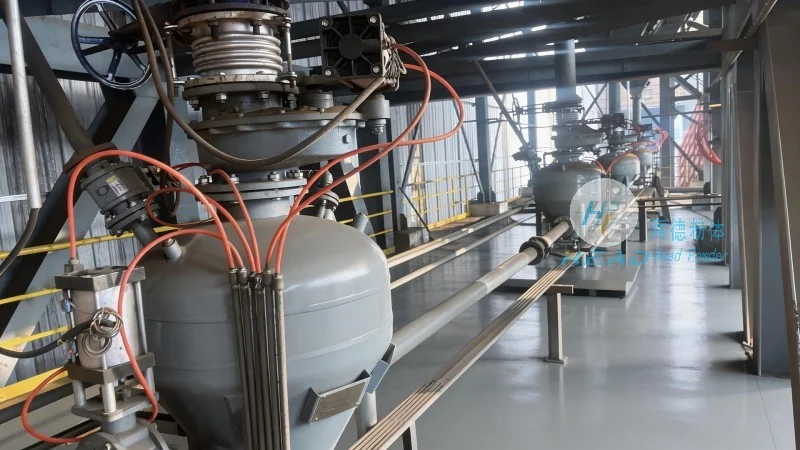
The core principle of pneumatic conveying for graphite materials involves the use of air or gas to transport the material from a source to a destination. This method eliminates the need for mechanical components like belts or buckets, offering a more efficient and cost-effective solution for handling delicate or abrasive materials such as graphite. The system typically operates by creating a pressure differential, either through suction (negative pressure) or pressure (positive pressure), to move the material through a pipeline. The choice between these two modes depends on factors like material properties, distance, and system configuration.
For graphite, which is known for its high lubricity and low friction characteristics, pneumatic conveying is particularly advantageous. The air flow helps to reduce particle-to-particle and particle-to-pipe friction, minimizing wear and tear on the equipment. Additionally, the system can handle fine powders and granules without the risk of clogging or blockages, which are common issues with traditional mechanical conveyors. The design of the conveying line, including the size of the pipeline, the type of air nozzles, and the placement of in-line filters, is critical to ensuring smooth and consistent material transport.
Working Scene Characteristics of Pneumatic Conveying Systems
The working scene characteristics of pneumatic conveying equipment for graphite materials are shaped by several key factors that influence system performance and operational efficiency. These include the material's physical properties, the distance and layout of the conveying route, and the required throughput capacity.
Firstly, the physical properties of graphite, such as its particle size distribution, density, and moisture content, play a significant role in determining the optimal conveying method. For example, fine graphite powders may require a higher air velocity to prevent settling or clogging, while larger granules can be conveyed at lower velocities with less energy consumption. The system's design must account for these variations to maintain consistent flow rates and prevent material degradation.
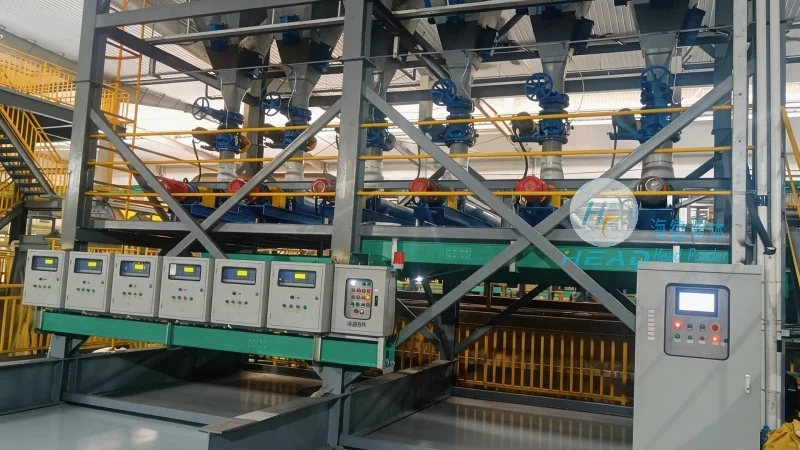
Secondly, the layout and distance of the conveying route affect the system's pressure requirements and energy consumption. Short-distance conveying may use low-pressure systems, while long-distance applications often require high-pressure or vacuum systems to overcome friction and gravity. The configuration of the pipeline, including bends, elbows, and expansion joints, also impacts the system's efficiency. Properly designed elbows and smooth pipeline surfaces reduce pressure losses, ensuring that the material reaches its destination without excessive energy use.
Thirdly, the throughput capacity of the system is a critical factor in industrial applications. Pneumatic conveying systems can handle varying material volumes, from small batches to continuous production lines, making them versatile for different production scales. The system's ability to integrate with other processing equipment, such as mixers, classifiers, and storage silos, enhances its functionality in the overall production process. For graphite processing, this integration is essential for maintaining product quality and consistency, as the material is often used in applications where purity and particle size are critical.
Applications and Industry Use Cases
Pneumatic conveying equipment for graphite materials finds extensive use in various industrial sectors, including battery manufacturing, refractory production, and lubricant formulation. In battery production, for instance, high-purity graphite is used as an anode material, and the conveying system must ensure that the material remains free from contaminants and moisture. The system's ability to handle fine powders and maintain a controlled environment is crucial for meeting the stringent quality standards of battery components.
In refractory production, graphite is used as a raw material in the manufacturing of high-temperature bricks and linings. The conveying system must be capable of handling abrasive graphite particles that can cause wear on traditional equipment. The use of wear-resistant materials in the pipeline and components, such as stainless steel or special alloys, helps to extend the system's lifespan and reduce maintenance costs.
In lubricant formulation, graphite is added to lubricating oils to improve their performance under high-pressure and high-temperature conditions. The conveying system must ensure that the graphite is evenly distributed throughout the oil, without causing clogging or sedimentation. The system's design, including the use of inline mixers and filters, helps to achieve this uniform distribution, ensuring that the final product meets the required specifications.
Advantages of Pneumatic Conveying for Graphite Handling
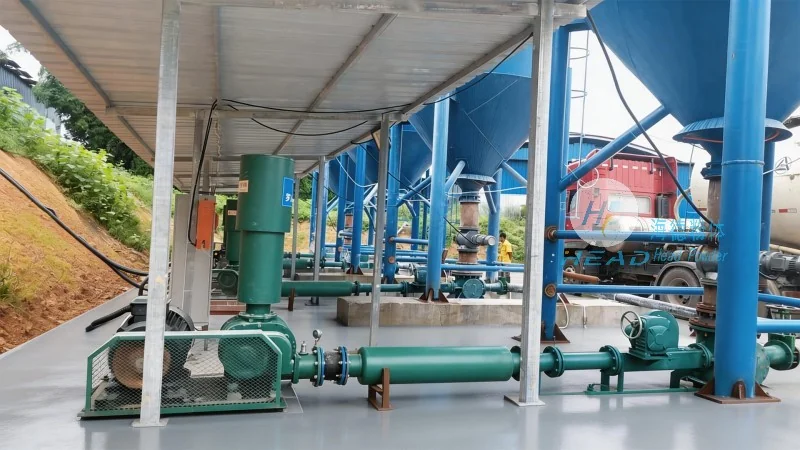
Compared to traditional mechanical conveyors, pneumatic conveying systems offer several advantages when handling graphite materials. These include improved material quality, reduced equipment wear, and enhanced operational flexibility. The absence of mechanical parts minimizes the risk of contamination, as there are no moving parts that can introduce foreign particles into the material stream. This is particularly important for high-purity applications, such as battery anodes, where even trace contaminants can affect performance.
The system's ability to handle fine powders and granules without clogging also reduces downtime and maintenance costs. Unlike mechanical conveyors, which may require frequent cleaning and repairs due to blockages, pneumatic systems can operate continuously with minimal interruptions. The use of in-line filters and cyclone separators helps to remove dust and debris from the air stream, ensuring that the material remains clean and free from impurities.
Furthermore, pneumatic conveying systems offer greater flexibility in terms of layout and integration with other equipment. The pipeline can be easily reconfigured to accommodate changes in production processes or facility expansions. This adaptability makes the system suitable for both new installations and retrofitting existing production lines. The energy efficiency of the system, especially when using high-efficiency fans and optimized pipeline designs, also contributes to lower operational costs over time.
Conclusion
HeadPowder's pneumatic conveying equipment for graphite materials combines advanced engineering principles with practical application expertise to deliver reliable and efficient material handling solutions. By understanding the fundamental principles of pneumatic conveying and the specific characteristics of graphite materials, manufacturers can optimize their systems for maximum performance and minimal downtime. The working scene characteristics, including material properties, system layout, and throughput requirements, are critical factors in designing an effective conveying system that meets the demands of modern industrial applications.




