HeadPowder, a leading manufacturer in the field of material handling solutions, specializes in the design, development, and production of advanced pneumatic conveying systems tailored for handling magnesium powder and similar fine materials. This article delves into the fundamental principles of magnesium powder pneumatic conveying equipment and explores the key application scenarios where such systems excel in industrial settings.
Understanding the Core Principles of Pneumatic Conveying for Magnesium Powder
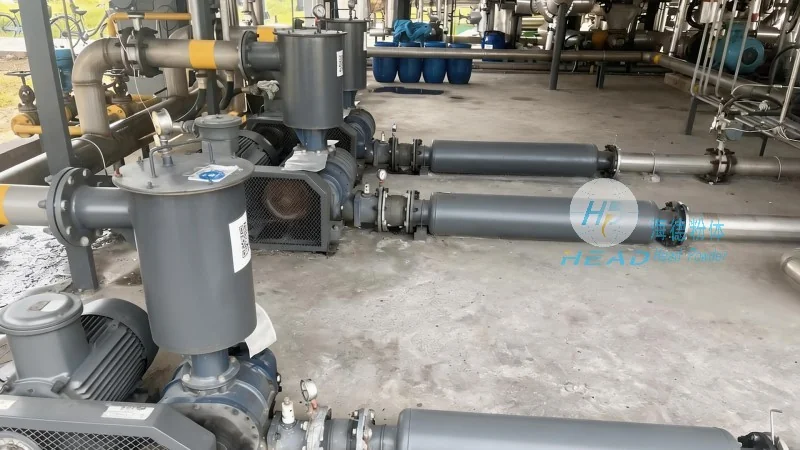
Pneumatic conveying, also known as air conveying, is a method of transporting bulk materials through a pipeline using a stream of air. For magnesium powder, which is characterized by its fine particle size, low density, and potential for static charge accumulation, specialized equipment is essential to ensure efficient, safe, and reliable transport. The primary principle involves creating a pressure differential within the system, either by generating positive pressure (blowing air into the material) or negative pressure (sucking material into the air stream). This pressure difference propels the magnesium powder through the pipeline to the desired destination.
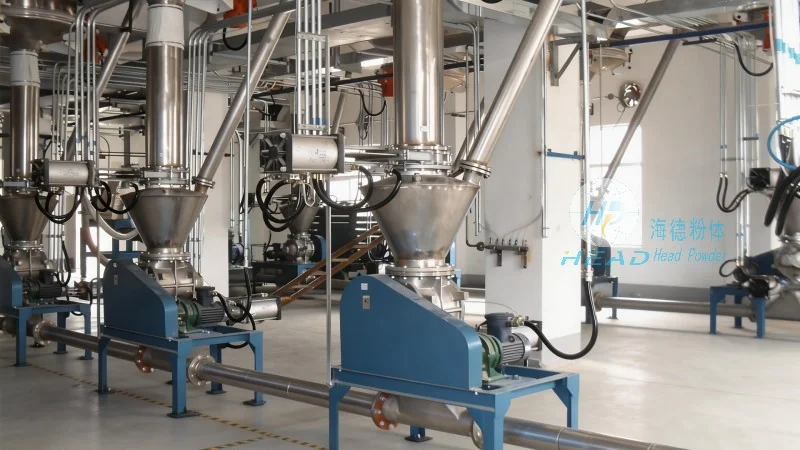
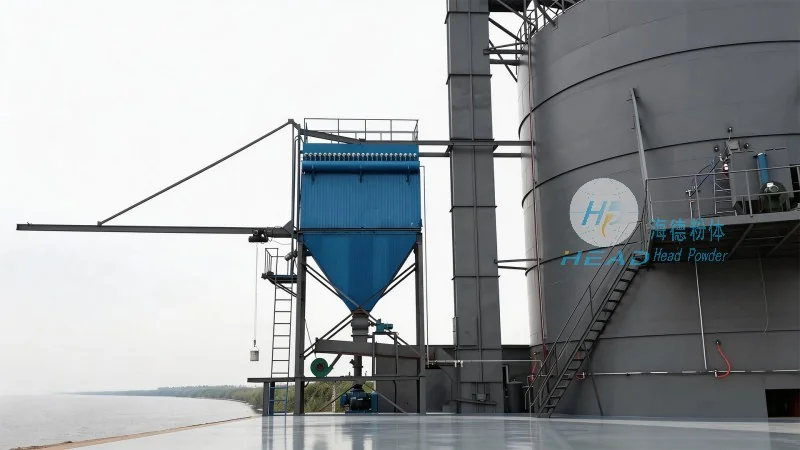
The system typically consists of several critical components: a material feed hopper, a conveying line, a dust collector or filter system, and a discharge unit. The feed hopper ensures a consistent flow of magnesium powder into the system, while the conveying line, often made of stainless steel or other corrosion-resistant materials, prevents material degradation and contamination. The dust collector is crucial for maintaining air quality and complying with environmental regulations, as magnesium powder can generate fine particulate matter during transport. The discharge unit, such as a rotary valve or a venturi system, controls the release of the material at the destination point.
Key Features and Advantages of Magnesium Powder Pneumatic Conveying Equipment
Modern magnesium powder pneumatic conveying systems are engineered with several key features that enhance performance and safety. One of the most significant advantages is the ability to transport materials over long distances without the need for mechanical components like belts or buckets, reducing maintenance costs and operational downtime. The systems are also highly flexible, allowing for changes in the conveying route or destination without major modifications. Additionally, pneumatic conveying minimizes material degradation, as the powder is not subjected to friction or impact, which is critical for maintaining the quality of magnesium powder used in various industrial applications.
Another critical feature is the integration of static charge control mechanisms. Magnesium powder is prone to generating static electricity, which can lead to sparks and potential fire hazards. Advanced systems incorporate grounding and ionization devices to neutralize static charges, ensuring safe operation in environments where flammable materials are present. The use of high-quality, corrosion-resistant materials, such as stainless steel or PTFE-lined components, further enhances the durability and longevity of the equipment, making it suitable for long-term use in demanding industrial environments.
Common Application Scenarios for Magnesium Powder Pneumatic Conveying Systems
Magnesium powder pneumatic conveying equipment is widely used in various industrial sectors where the handling of fine, light materials is required. One of the most common applications is in the aerospace industry, where magnesium powder is used as a raw material for manufacturing lightweight components, such as aircraft parts and engine components. The ability to transport magnesium powder efficiently and safely to production lines is crucial for meeting the high standards of quality and precision in aerospace manufacturing.
In the chemical industry, magnesium powder is used as a precursor in the production of magnesium-based compounds and alloys. Pneumatic conveying systems are employed to transport the powder from storage silos to processing units, ensuring a continuous and controlled supply of material. This is particularly important in chemical plants where precise material control is essential to maintain product consistency and avoid contamination.
The automotive industry also utilizes magnesium powder in the production of lightweight parts for vehicles, such as engine blocks and transmission components. Pneumatic conveying systems help in transporting the powder from raw material storage to the casting or molding processes, improving production efficiency and reducing material waste. Additionally, in the electronics industry, magnesium powder is used in the manufacturing of battery components and other electronic parts, where the fine particle size and purity of the material are critical. Pneumatic conveying ensures that the material is delivered to the production line in a clean and controlled manner, meeting the stringent quality requirements of the electronics sector.
Operational Considerations and Best Practices for Magnesium Powder Pneumatic Conveying
When operating magnesium powder pneumatic conveying systems, several factors must be considered to ensure optimal performance and safety. First, the system must be designed to handle the specific properties of magnesium powder, including its particle size distribution, bulk density, and moisture content. The conveying velocity and pressure must be carefully calibrated to prevent material deposition or blockages in the pipeline, which can lead to system downtime. Regular maintenance, including cleaning of the conveying line and filter system, is essential to prevent clogging and maintain air quality.
Second, the system should be equipped with monitoring and control devices to track the flow rate, pressure, and temperature of the material. This allows operators to detect any abnormalities in real-time and take corrective actions promptly. Additionally, the use of explosion-proof components is recommended in environments where magnesium powder may come into contact with flammable substances, ensuring compliance with safety regulations.
Third, proper training of operators is crucial to ensure the safe and efficient operation of the system. Operators should be familiar with the system's components, safety features, and emergency procedures. Regular inspections and maintenance schedules should be followed to identify and address potential issues before they escalate into major problems. By adhering to these best practices, industrial facilities can maximize the efficiency and reliability of their magnesium powder pneumatic conveying systems while minimizing risks and operational costs.
Conclusion: The Role of Advanced Pneumatic Conveying in Magnesium Powder Handling
As an industry leader, Shandong HeadPowder Engineering Co., Ltd. provides high-quality magnesium powder pneumatic conveying equipment that meets the demanding requirements of various industrial applications. By leveraging advanced engineering and materials, their systems ensure efficient, safe, and reliable transport of magnesium powder, supporting the production processes in sectors such as aerospace, chemicals, automotive, and electronics. The principles and features of these systems, combined with proper operational practices, make them an essential component in modern material handling solutions, enabling industries to achieve higher productivity, lower costs, and improved product quality.




