Anhydrous aluminum chloride is a critical chemical compound used in various industrial applications, including chemical synthesis, catalyst production, and as a reagent in pharmaceutical manufacturing. The efficient and safe transportation of this material is essential for maintaining production efficiency and ensuring product quality. The air-solid pneumatic conveying system has emerged as a preferred method for handling anhydrous aluminum chloride due to its ability to transport the material over long distances without the need for mechanical components that could cause contamination or material degradation.
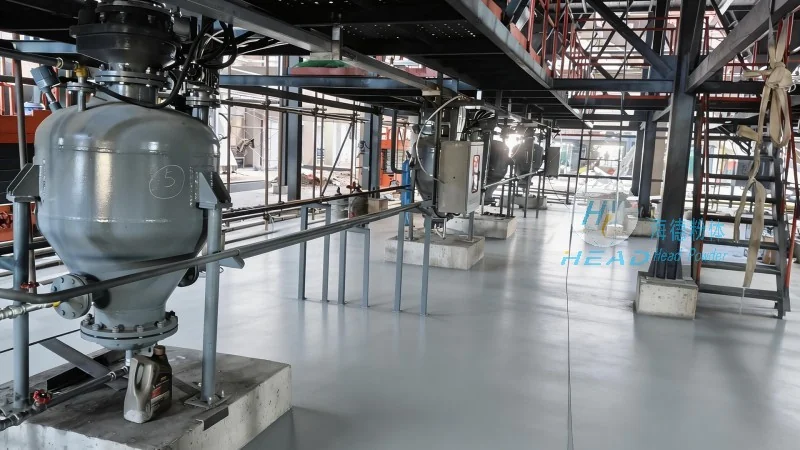
Introduction to HeadPowder and Their Expertise
HeadPowder, a leading engineering company based in Shandong, China, specializes in the design, manufacturing, and installation of advanced material handling systems. With a strong focus on industrial solutions, HeadPowder has developed state-of-the-art air-solid pneumatic conveying systems tailored to the unique properties of anhydrous aluminum chloride. The company's team of experienced engineers and technicians leverages years of industry knowledge to provide customized solutions that meet the specific requirements of each client. HeadPowder's commitment to quality and innovation has established it as a trusted partner in the chemical and material processing sectors.
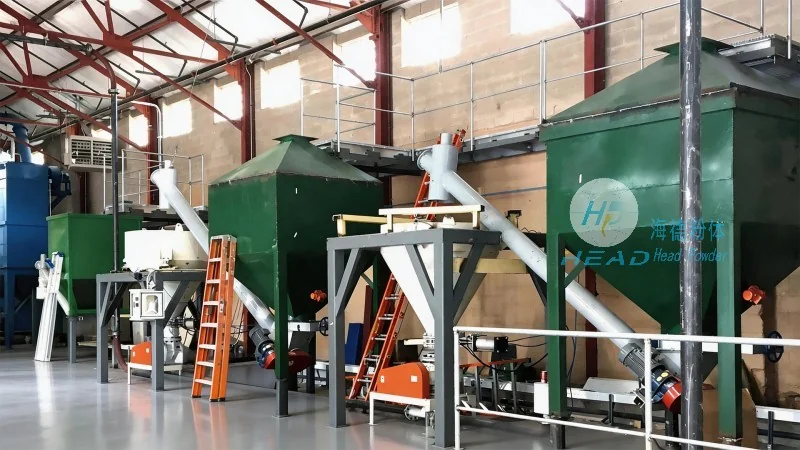
The Air-Solid Pneumatic Conveying System: Core Components and Functionality
The air-solid pneumatic conveying system for anhydrous aluminum chloride consists of several key components that work in tandem to ensure efficient material transport. The primary components include a hopper for material storage, a feeder to control the flow of anhydrous aluminum chloride into the system, a pipeline network for transporting the material, and an air supply system that generates the necessary pressure or vacuum. The hopper is designed to hold a sufficient quantity of the material, allowing for continuous operation without frequent refilling. The feeder, typically a rotary valve or a screw feeder, regulates the flow rate, ensuring a consistent and controlled feed into the pipeline. The pipeline network is constructed from materials that are compatible with anhydrous aluminum chloride, such as stainless steel or special coatings, to prevent corrosion and material interaction. The air supply system, which may use a blower or a compressor, provides the energy required to move the material through the pipeline. The system can operate under positive pressure, where compressed air pushes the material forward, or under negative pressure, where a vacuum draws the material into the pipeline. The choice between positive and negative pressure depends on factors such as the material's properties, the distance to be transported, and the desired flow rate.
Operation Process: Step-by-Step Execution
The operation process of the air-solid pneumatic conveying system for anhydrous aluminum chloride involves a series of well-defined steps that ensure smooth and continuous material transport. The first step is the preparation phase, where the hopper is filled with anhydrous aluminum chloride. The system is then started by activating the air supply and the feeder. The feeder begins to discharge the material into the pipeline, and the compressed air from the blower or compressor is introduced. The air and material mixture travels through the pipeline, with the air providing the necessary force to move the solid particles. The system includes control valves and sensors that monitor the flow rate and pressure, ensuring that the operation remains within safe and efficient parameters. The material is then discharged at the receiving end, where it is collected in a storage tank or directly fed into the next production stage. The entire process is automated, with minimal human intervention, reducing the risk of errors and improving operational consistency. The system also includes safety features, such as pressure relief valves and emergency shutdown mechanisms, to protect against overpressure or other potential hazards. Regular maintenance is performed to ensure the system operates at optimal performance, including cleaning the pipeline, checking the air supply, and inspecting the feeder and hopper for any signs of wear or damage.
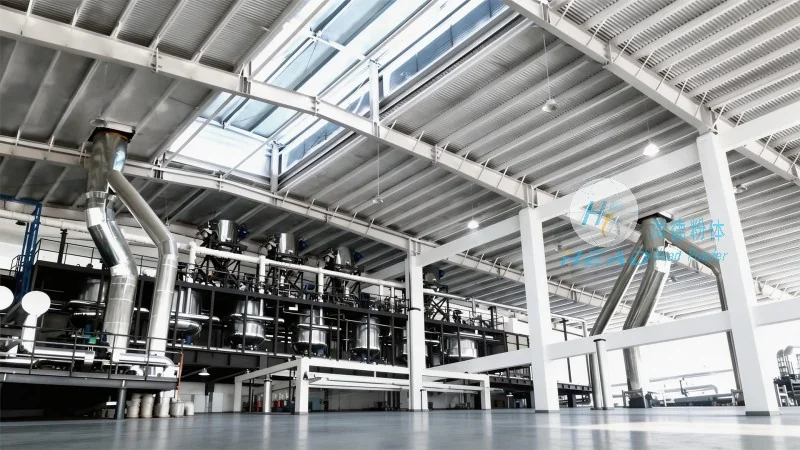
Working Principle: How the System Transfers Material
The working principle of the air-solid pneumatic conveying system is based on the fundamental physics of fluid dynamics and particle motion. The system operates by creating a flow of air that carries the solid particles of anhydrous aluminum chloride through the pipeline. In the positive pressure system, compressed air is introduced at the inlet of the hopper, creating a pressure differential that pushes the material forward. The air and material mixture moves through the pipeline at a high velocity, with the air providing the necessary kinetic energy to overcome the resistance from the pipeline walls and the gravitational force acting on the particles. The velocity of the air is typically maintained at a level that ensures the particles remain suspended in the air stream, preventing them from settling or clogging the pipeline. In the negative pressure system, a vacuum is created at the receiving end of the pipeline, drawing the material from the hopper and through the pipeline. The vacuum is generated by a fan or a vacuum pump, which creates a pressure difference that pulls the material into the pipeline. The material is then transported to the receiving end, where the vacuum is released, allowing the material to be collected. The working principle also involves the concept of "fluidization," where the air flow creates a fluid-like environment for the solid particles, allowing them to move freely and without sticking to the pipeline walls. This fluidization is crucial for maintaining the flow rate and preventing material buildup or blockages. The system's efficiency depends on the balance between the air velocity and the particle size, as well as the pipeline diameter and length. Proper design and maintenance are essential to ensure that the system operates within the optimal range, maximizing the transport efficiency and minimizing energy consumption.




