Pneumatic conveying systems are widely used in industrial applications for transporting bulk materials like activated carbon particles. These systems offer efficient, dust-free, and flexible material handling solutions. The operation process and working principle of such systems involve several key components and steps that ensure reliable material transport. This article provides a detailed overview of the operational process and underlying principles of activated carbon particle pneumatic conveying, highlighting the technology's benefits and practical applications.
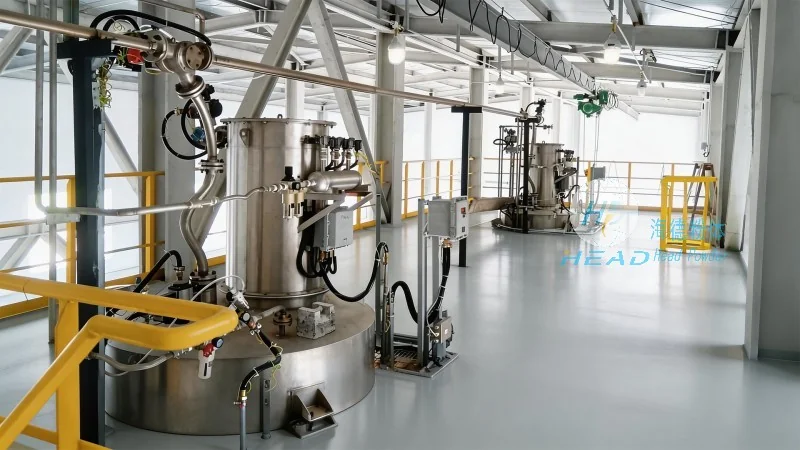
Key Components of Pneumatic Conveying Systems
The core components of an activated carbon particle pneumatic conveying system typically include a material hopper, a conveying pipeline, a blower or compressor, a control valve, and a receiver or discharge point. The material hopper holds the activated carbon particles and is equipped with a feeder mechanism, such as a rotary valve or a screw feeder, to regulate the flow of material into the pipeline. The conveying pipeline is usually made of stainless steel or other corrosion-resistant materials to handle the abrasive nature of activated carbon particles. The blower or compressor generates the necessary air pressure to move the particles through the pipeline. The control valve adjusts the air flow and pressure to maintain optimal conveying conditions. The receiver or discharge point collects the conveyed activated carbon particles and may include a dust collection system to ensure environmental compliance.
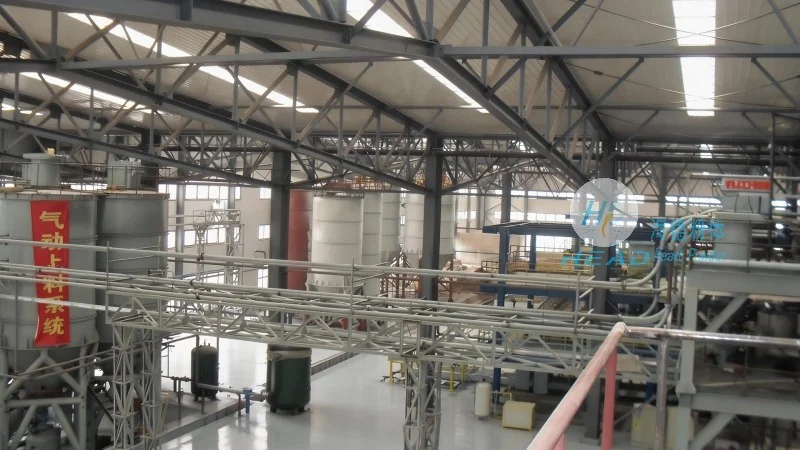
Operation Process of Activated Carbon Particle Pneumatic Conveying
The operation process of an activated carbon particle pneumatic conveying system can be broken down into several sequential steps. First, the activated carbon particles are loaded into the material hopper. The feeder mechanism then starts to discharge the particles into the conveying pipeline at a controlled rate. Simultaneously, the blower or compressor activates and generates the required air flow. The air and particles are mixed in the pipeline, creating a slurry-like flow that propels the particles forward. The conveying velocity and pressure are carefully monitored to ensure efficient transport without causing particle degradation or system damage. The particles travel through the pipeline until they reach the receiver or discharge point, where they are collected. The system may include a cleaning cycle to remove any residual particles from the pipeline and prevent clogging. Proper maintenance of the components, such as regular inspection of the feeder and pipeline, is essential to maintain the system's performance and longevity.
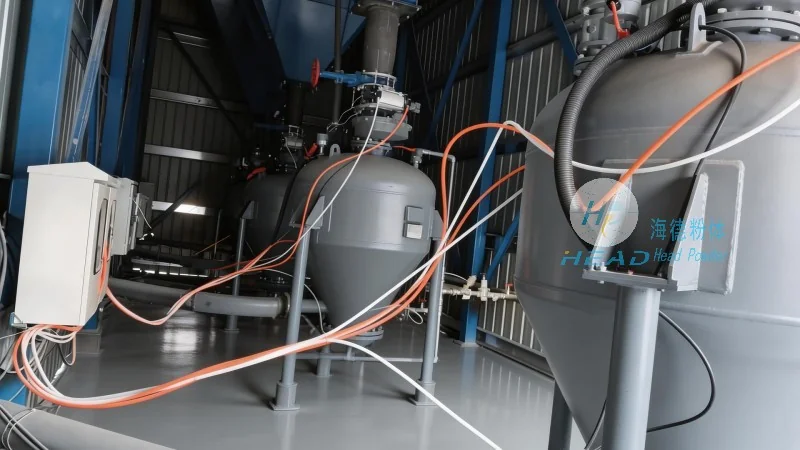
Working Principle of Pneumatic Conveying
The working principle of activated carbon particle pneumatic conveying is based on the principles of fluid dynamics and particle transport. When the blower or compressor provides the air pressure, it creates a pressure differential between the hopper and the discharge point. This pressure differential drives the air and particles through the pipeline. The particles are suspended in the air stream, and their movement is governed by the velocity of the air and the particle size, density, and shape. The conveying system can operate in either dilute-phase or dense-phase modes. In dilute-phase conveying, the particles are dispersed in the air stream with a low solids concentration, resulting in high conveying velocities and lower pressure drops. In dense-phase conveying, the particles are carried in a more concentrated mixture, leading to lower velocities and higher pressure drops, which is suitable for transporting delicate or abrasive materials like activated carbon. The system's efficiency depends on the proper selection of the blower or compressor, the pipeline diameter, and the conveying distance. Advanced control systems can optimize the air flow and pressure to achieve the best conveying performance.
Benefits of Activated Carbon Particle Pneumatic Conveying
Activated carbon particle pneumatic conveying offers several advantages over traditional mechanical conveying methods. One of the primary benefits is the elimination of dust and contamination, as the system operates in a closed pipeline. This is particularly important for activated carbon, which is often used in applications requiring high purity, such as water treatment and air purification. The system also provides flexibility in material handling, allowing for changes in conveying distance or direction without significant modifications. Additionally, pneumatic conveying systems can handle a wide range of particle sizes and shapes, making them suitable for various activated carbon products. The operation is relatively simple and can be automated, reducing labor costs and improving safety. The system's compact design saves space in industrial facilities, and the ability to integrate with other processes, such as dust collection and material storage, enhances overall operational efficiency.
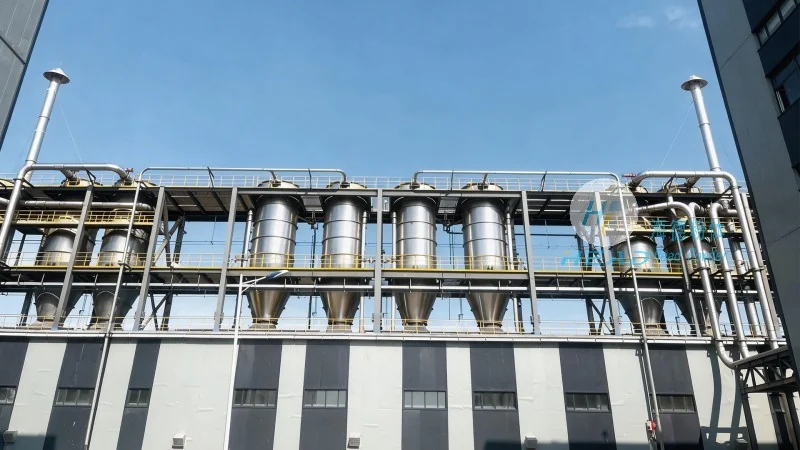
About Shandong HeadPowder Engineering Co., Ltd.
Shandong HeadPowder Engineering Co., Ltd., commonly known as headpowder, is a leading manufacturer and supplier of advanced material handling solutions, including pneumatic conveying systems for activated carbon particles. With a strong focus on innovation and quality, the company has established itself as a trusted partner in the industry. Headpowder's expertise lies in designing and manufacturing customized pneumatic conveying systems that meet the specific needs of clients. The company's products are known for their reliability, efficiency, and durability, ensuring optimal performance in various industrial applications. Headpowder's commitment to customer satisfaction and technical excellence has earned it a reputation for delivering high-quality solutions that enhance operational efficiency and reduce costs. The company's facilities are located in Shandong, China, where it leverages local resources and expertise to provide comprehensive support to its clients.




