Operation Process and Working Principle of Alumina Hydroxide Pneumatic Conveying System
Release time:2026-09-20 06:01:32
name of the company:Shandong Headpowder Engineering Co., Ltd.
telephone:156-6277-7102
contacts:Zhang manager
Alumina hydroxide, a critical raw material in the aluminum industry, often requires efficient and reliable transport methods for processing and production. The pneumatic conveying system, specifically designed for handling alumina hydroxide, offers a solution that combines performance with operational safety. This article delves into the operation process and working principles of such a system, highlighting its key components, operational procedures, and the benefits it provides in industrial applications.
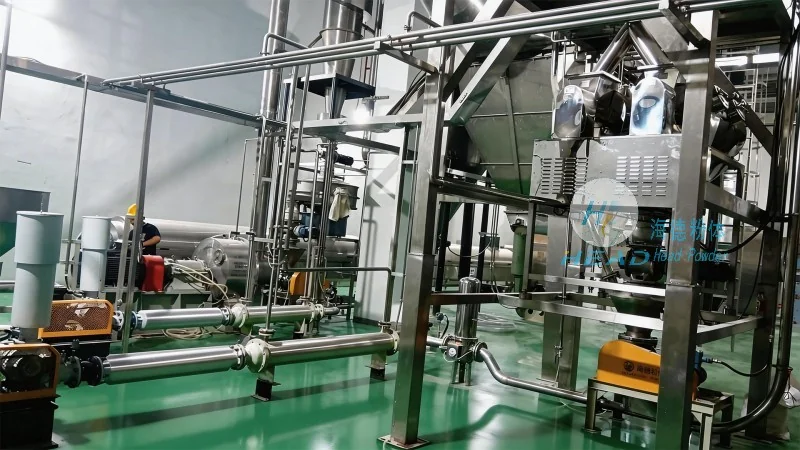
System Overview and Key Components
The alumina hydroxide pneumatic conveying system is engineered to transport fine powders like alumina hydroxide from one location to another using air as the conveying medium. The system typically consists of several core components that work in tandem to ensure smooth and efficient material transport. These components include a hopper for material storage, a feeder to control the flow rate of the powder, a conveyor line (often a pipeline) where the material is carried by air, a separator to separate the material from the air at the receiving end, and a dust collector to manage air quality and prevent contamination. The system may also incorporate a blower or compressor to generate the necessary air pressure for conveying.
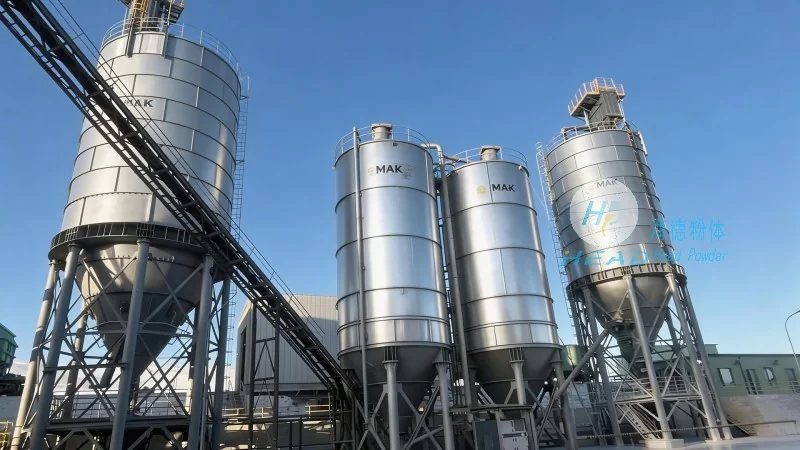
Working Principle of the Pneumatic Conveying Process
The operation of the alumina hydroxide pneumatic conveying system is based on the principle of fluidization and suspension of the powder particles in a moving air stream. When the feeder releases alumina hydroxide into the conveyor line, the air from the blower is introduced at a controlled velocity. The air velocity is maintained at a level that is sufficient to lift and transport the powder particles without causing excessive wear or degradation of the material. As the powder particles are suspended in the air stream, they travel through the pipeline to the receiving hopper. At the receiving end, a separator (such as a cyclone or bag filter) separates the alumina hydroxide from the air, allowing the material to be collected while the air is filtered and discharged or recirculated. This process ensures that the material is transported with minimal loss and maximum efficiency.
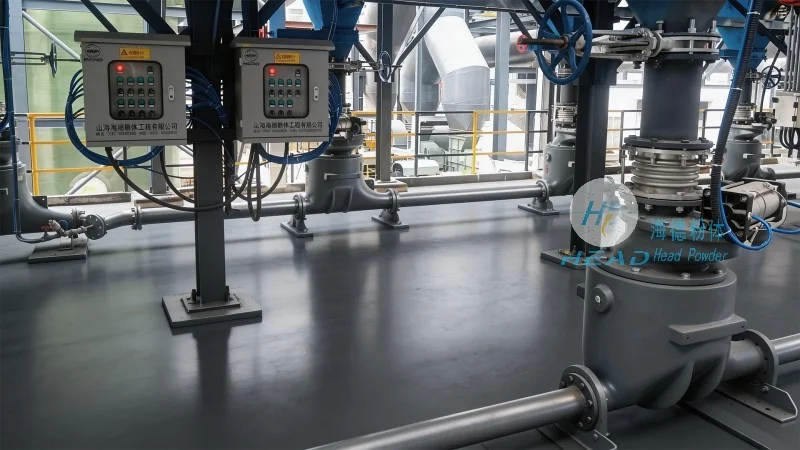
Operation Process: Step-by-Step Execution
The operation of the alumina hydroxide pneumatic conveying system follows a systematic process that ensures consistent and reliable performance. The steps involved in the operation are as follows:
- Material Loading: Alumina hydroxide is loaded into the storage hopper from which it will be fed into the system. Proper sealing and level monitoring are essential to prevent material spillage and ensure accurate feeding.
- Feeder Control: The feeder, often a rotary valve or screw feeder, regulates the flow rate of the alumina hydroxide into the conveyor line. The flow rate is adjusted based on the required conveying capacity and the system's air pressure settings.
- Air Supply Initiation: The blower or compressor is activated, and the air is introduced into the conveyor line at a pre-determined pressure and velocity. The air flow is monitored to ensure it meets the system's operational requirements.
- Material Conveying: As the feeder releases the powder, the air stream lifts and transports the alumina hydroxide particles through the pipeline. The system's design ensures that the air velocity is sufficient to maintain particle suspension without causing excessive pressure drops or particle degradation.
- Receiving and Separation: At the receiving end, the material is deposited into the receiving hopper. The separator then separates the powder from the air, allowing the material to be collected for further processing. The air, now containing fine particles, is passed through a dust collector to remove any residual dust before being discharged or recirculated back into the system.
- System Shutdown: When the conveying operation is complete, the system is shut down in a controlled manner. The blower is turned off first, followed by the feeder to prevent material backflow. The system is then cleaned and maintained as per the manufacturer's guidelines to ensure longevity and optimal performance.
Benefits and Advantages of the Pneumatic Conveying System
The alumina hydroxide pneumatic conveying system offers several advantages over traditional mechanical conveying methods. These benefits include:
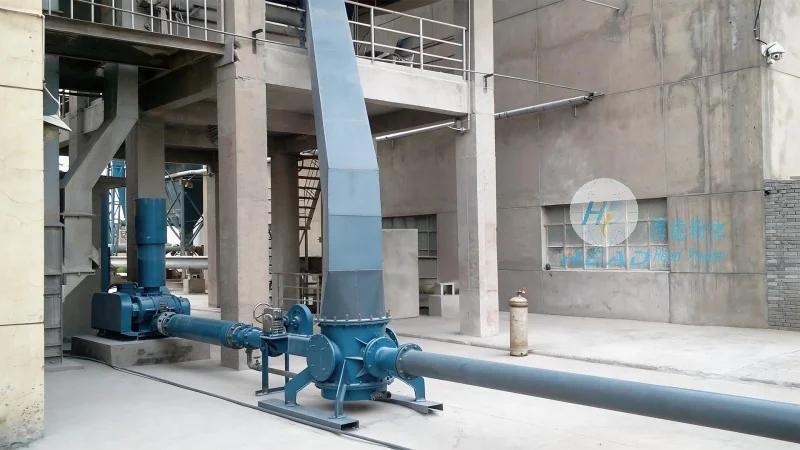
- Efficient Material Transport: The system provides a continuous and efficient method of transporting fine powders, reducing the need for manual handling and minimizing material loss.
- Reduced Downtime and Maintenance: The design of the system minimizes the risk of material buildup and blockages, leading to lower maintenance requirements and reduced downtime compared to mechanical systems.
- Improved Safety and Hygiene: The enclosed system prevents dust exposure and contamination, enhancing workplace safety and maintaining product purity.
- Scalability and Flexibility: The system can be easily scaled to accommodate varying production volumes and can be integrated with other processing equipment, providing flexibility in industrial setups.
- Energy Efficiency: Modern pneumatic conveying systems are designed to be energy-efficient, with optimized air flow and pressure control that reduce operational costs.
Company Information and Contact Details
HeadPowder, a leading provider of engineering solutions for material handling, specializes in the design, manufacturing, and installation of pneumatic conveying systems for various industrial applications. With a focus on quality and customer satisfaction, HeadPowder offers tailored solutions that meet the specific needs of its clients. The company is headquartered in Shandong, China, and serves a wide range of industries, including aluminum production, chemical processing, and food processing.




