Ammonium bicarbonate, a widely used chemical in various industrial applications, requires efficient and reliable transportation methods to ensure smooth production processes. The pneumatic conveying system designed for this specific chemical offers a solution that combines safety, efficiency, and operational flexibility. This article delves into the operational process and working principles of such a system, highlighting its key components, functionality, and benefits.
Key Components of the Pneumatic Conveying System
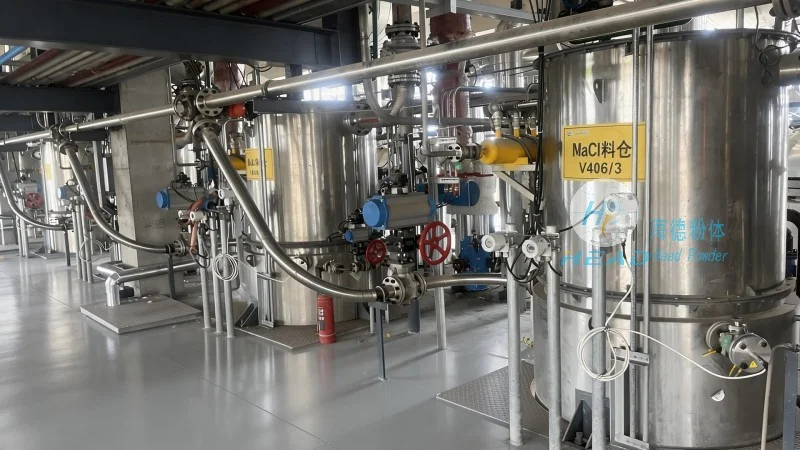
The system for transporting ammonium bicarbonate typically consists of several critical components that work in tandem to achieve effective material handling. These include the hopper, which serves as the storage and feeding unit; the air compressor, responsible for generating the necessary air pressure; the conveying line, which transports the material; and the dust collector, ensuring environmental compliance and safety. Each component plays a vital role in maintaining the system's performance and reliability.
Working Principle of the System
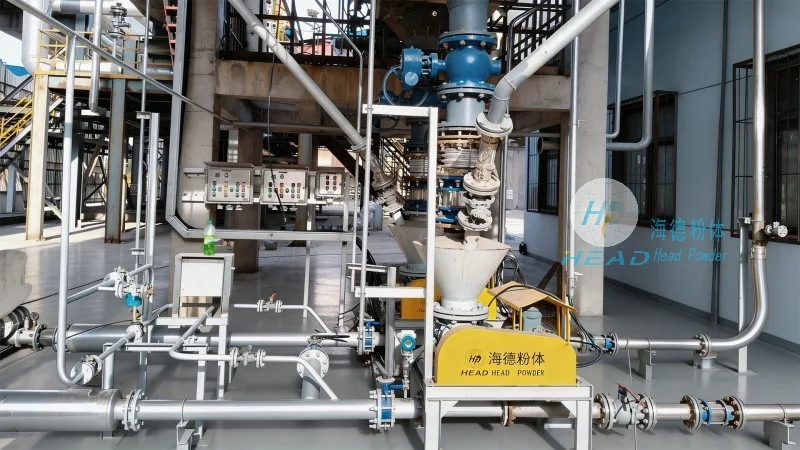
The operation of the ammonium bicarbonate pneumatic conveying system follows a systematic process. Initially, the material is fed from the hopper into the conveying line. Simultaneously, the air compressor supplies compressed air to the system, creating a pressure differential that propels the material forward. As the material travels through the line, it is mixed with the air stream, forming a slurry-like mixture. The conveying line may include bends and changes in direction, which are managed by specialized fittings to maintain the material's flow without causing blockages or degradation. The system is designed to handle the specific characteristics of ammonium bicarbonate, such as its light weight and potential for dust generation, ensuring that the material is transported without loss or contamination.
Operational Process and Flow
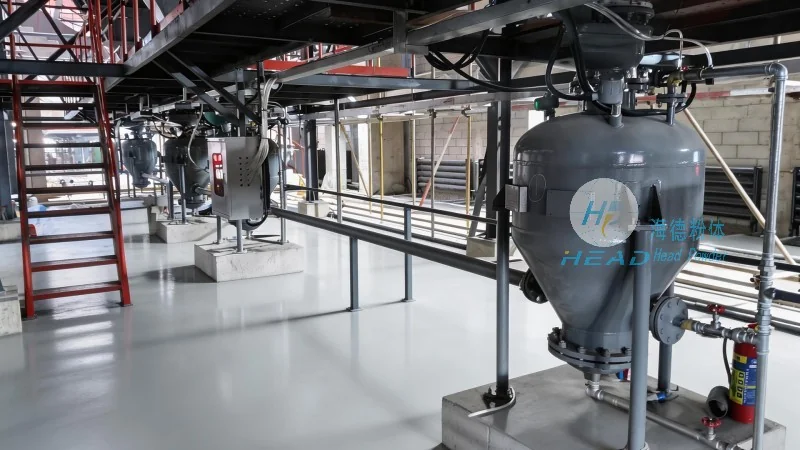
The operational process of the system begins with the loading of ammonium bicarbonate into the hopper. The material is then discharged into the conveying line through a feeder mechanism, which controls the flow rate to match the system's requirements. The air compressor starts, generating the required pressure to move the material. The material and air mixture travels through the pipeline to the destination point, such as a storage silo or processing unit. At the receiving end, the material is separated from the air using a separator, and the air is then filtered and recycled back to the system. This closed-loop operation minimizes energy consumption and ensures environmental safety.
Benefits and Advantages of the System
Implementing a pneumatic conveying system for ammonium bicarbonate offers several advantages over traditional methods like belt conveyors or manual handling. The system provides a dust-free environment, reducing health risks and improving workplace safety. It also enhances operational efficiency by automating the material handling process, reducing labor costs and increasing throughput. Additionally, the system's flexibility allows for easy integration with existing production lines and can be scaled to accommodate varying production demands. The reliability of the system, with proper maintenance, ensures consistent performance and minimal downtime.
Company Information and Contact
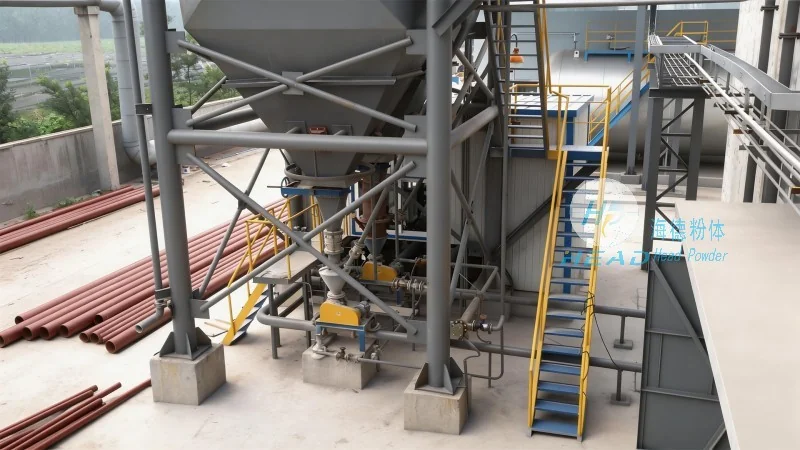
For professional solutions in pneumatic conveying systems, Shandong HeadPowder Engineering Co., Ltd. (headpowder) is a trusted partner. With years of experience in engineering and manufacturing, the company specializes in designing and installing systems tailored to the needs of chemical industries. HeadPowder's expertise ensures that the ammonium bicarbonate pneumatic conveying systems are built to meet the highest standards of safety, efficiency, and durability. The company's address is in Shandong, China, where it serves clients globally with customized solutions and technical support.




