Coking coal and stone powder are vital raw materials in sectors such as steel production, cement manufacturing, and power generation. The efficient transportation of these bulk materials is crucial for maintaining smooth industrial operations. Pneumatic conveying equipment, specifically engineered for handling coking coal and stone powder, offers a reliable solution that combines performance, safety, and durability. This article explores the operation process and working principle of such equipment, detailing its key components, operational steps, and the advantages it provides to industrial processes.
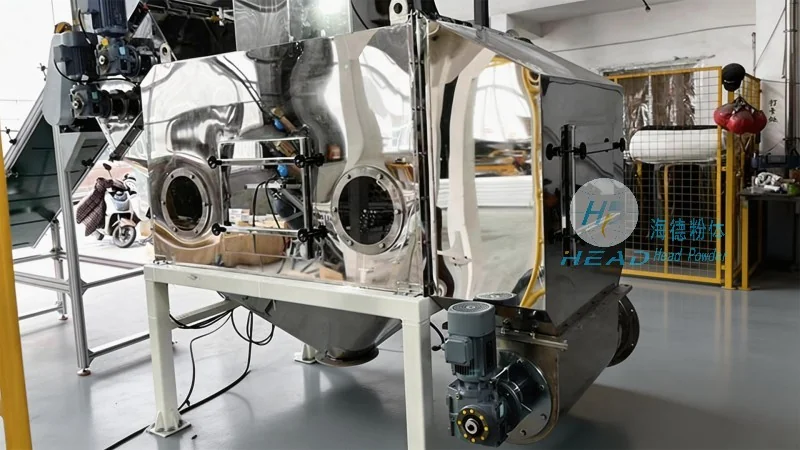
Overview of Pneumatic Conveying Systems for Coking Coal and Stone Powder
Pneumatic conveying systems utilize air or gas to transport bulk materials through a pipeline network. These systems are preferred in industries due to their ability to handle abrasive and dusty materials without mechanical components that wear out quickly. The design is tailored to the characteristics of coking coal and stone powder, ensuring optimal performance and minimizing material degradation.
Key Components of the Pneumatic Conveying Equipment
The coking coal and stone powder pneumatic conveying equipment comprises several essential components that work together to achieve efficient material transport. These include:
1. Feeder Unit: This component feeds coking coal or stone powder into the system, ensuring consistent and controlled material flow to prevent blockages.
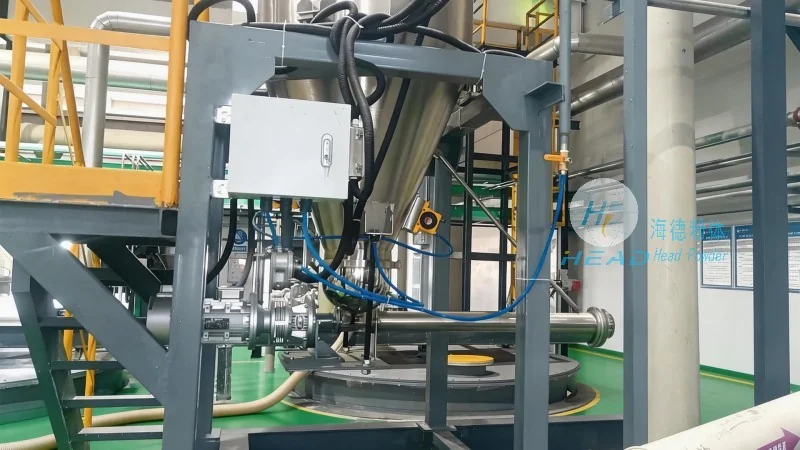
2. Pneumatic Conveying Pipe Network: The main pipeline system that transports material from the feeder to the discharge point. It is designed with appropriate diameter and material to withstand the abrasive nature of the materials.
3. Air Supply System: This includes the blower or compressor that generates air pressure to move material through the pipeline. Maintaining proper air velocity is critical to prevent material settling or clogging.
4. Separation and Collection Units: These components separate material from the air stream and collect it at the target location. They may include cyclones, filters, or other devices to ensure clean material handling.
Operation Process of the Pneumatic Conveying Equipment
The operation process begins with material feeding into the feeder unit. The feeder releases material into the pipe network, where it mixes with air from the blower. The air velocity is maintained above the material's terminal velocity to keep particles suspended and moving efficiently.
As material travels through the pipeline, it reaches the separation units. Here, material is separated from the air stream and discharged into the processing area. The air, now free of particles, is either recirculated or released, depending on the system design.
Working Principle of the Pneumatic Conveying Equipment
The working principle is based on fluidization and suspension. The blower creates a high-velocity air stream that lifts and transports coking coal or stone powder particles. Maintaining air velocity above the material's terminal velocity is key to preventing deposition or clogging. System design considers material density, particle size, and conveying distance to ensure optimal performance.
The equipment includes safety features to handle overpressure or blockages, ensuring reliable operation. Proper air pressure and flow rate are critical to system effectiveness.
Benefits and Advantages of Using Pneumatic Conveying Equipment
The use of pneumatic conveying equipment offers several advantages over traditional methods:
1. Reduced Handling Costs: Eliminates mechanical wear and tear, lowering maintenance and operational expenses.
2. Enhanced Safety: Enclosed pipelines minimize dust emissions and material spillage, improving workplace safety.
3. Preserved Material Quality: Prevents contamination and degradation, ensuring optimal material condition for processing.
4. Flexible Layout Integration: Easily integrates into existing industrial layouts, allowing flexible material transport paths.
Application Scenarios and Industries
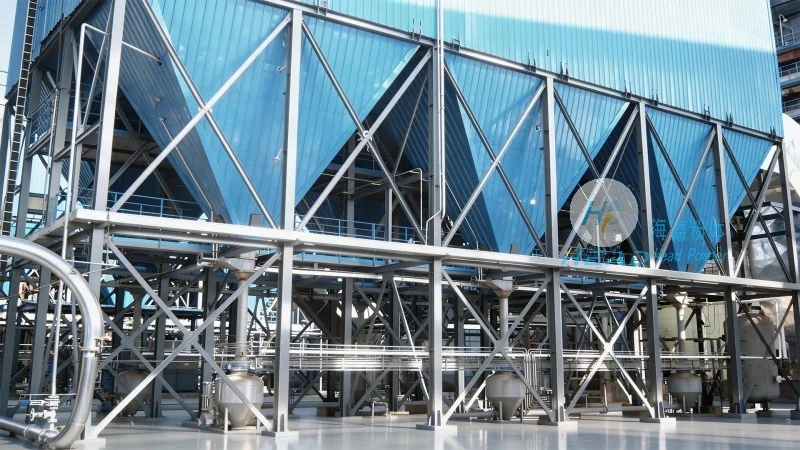
The equipment is widely used in industries where bulk material handling is essential. Common applications include:
1. Steel Production: Transports coking coal from storage to coking ovens in steel mills.
2. Cement Manufacturing: Moves stone powder from storage to grinding mills, utilizing byproduct materials.
3. Power Generation: Delivers coking coal to boilers in thermal power plants for electricity production.
Maintenance and Operational Considerations
Proper maintenance and operational practices are vital for long-term system performance. Regular inspections of the feeder, pipe network, and air supply system are necessary to identify and address issues. Monitoring devices track air pressure, flow rate, and material flow for timely adjustments and troubleshooting.
System design includes filtration and cleaning mechanisms to prevent dust accumulation and maintain air quality. Regular cleaning of separation units is crucial to avoid clogging and ensure efficient material separation.
Conclusion
Pneumatic conveying equipment for coking coal and stone powder is a highly effective solution for bulk material transport in modern industries. By understanding its operation and working principles, businesses can optimize material handling, reduce costs, and enhance operational efficiency. The equipment's design, components, and operational steps are tailored to the unique demands of coking coal and stone powder, ensuring reliable and efficient performance.
Shandong HeadPowder Engineering Co., Ltd., a leading manufacturer in this field, specializes in providing high-quality pneumatic conveying systems. With a focus on durability, efficiency, and safety, their equipment is engineered to meet the needs of coking coal and stone powder handling. Based in Shandong, China, the company leverages advanced engineering and manufacturing capabilities to deliver reliable solutions for industrial material transport.




