High-temperature fly ash pneumatic conveying equipment is a specialized system designed to handle and transport high-temperature fly ash from power plants or industrial facilities. This equipment is crucial for efficient and safe material handling, ensuring that the fly ash, which often contains heat and potentially hazardous particles, is moved from the source to the disposal or utilization site without compromising safety or operational efficiency. The following sections will detail the operation process and working principle of such equipment, providing a comprehensive understanding of its functionality and importance in industrial applications.
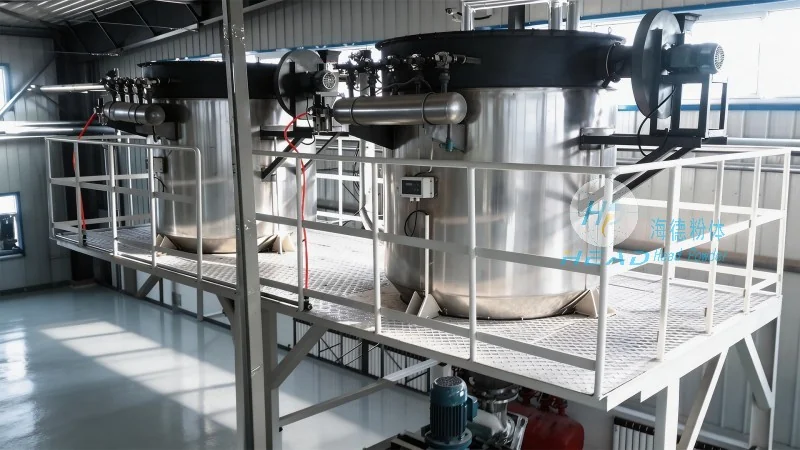
Overview of High-Temperature Fly Ash Pneumatic Conveying Systems
High-temperature fly ash pneumatic conveying systems are engineered to manage the unique challenges posed by fly ash, which is a byproduct of coal combustion. These systems are typically used in thermal power plants, cement factories, and other industrial settings where large volumes of fly ash need to be transported over short or medium distances. The primary goal is to achieve a reliable, low-maintenance, and cost-effective method of conveying this material, which is often abrasive and can be hot, posing risks of equipment wear and thermal damage if not handled properly.
Key Components and Their Roles
The high-temperature fly ash pneumatic conveying equipment consists of several critical components, each playing a vital role in the overall operation. These components include the ash hopper, feeder, air compressor, conveying pipeline, and dust collection system. Each part is designed to work in harmony to ensure efficient material transport while maintaining safety standards.
- Ash Hopper: The ash hopper is the initial storage unit where raw fly ash is collected. It is typically made of heat-resistant materials to withstand the high temperatures of the ash and is equipped with a lid or cover to prevent dust and debris from escaping. The hopper may also include a heating element or insulation to maintain the temperature of the ash, preventing it from cooling too quickly, which could affect its handling properties.
- Feeder: The feeder is responsible for controlling the flow of fly ash from the hopper into the conveying system. It can be a rotary valve, a screw feeder, or a vibratory feeder, depending on the system design. The feeder ensures a consistent and controlled discharge of ash into the pipeline, preventing blockages and maintaining the desired flow rate. For high-temperature applications, the feeder is often made of heat-resistant materials such as stainless steel or special alloys to withstand the thermal stress.
- Air Compressor: The air compressor is the heart of the pneumatic conveying system, providing the necessary pressure and airflow to move the fly ash through the pipeline. High-temperature systems may use special air compressors that are designed to handle hot air and maintain efficiency at elevated temperatures. These compressors are typically equipped with cooling systems to prevent overheating and ensure continuous operation. The pressure generated by the compressor is crucial for overcoming the resistance in the pipeline and ensuring the ash is conveyed at the desired speed.
- Conveying Pipeline: The pipeline is the main channel through which the fly ash is transported. It is usually made of corrosion-resistant materials such as stainless steel or high-density polyethylene (HDPE) to withstand the abrasive nature of the ash and the high temperatures. The pipeline is designed with appropriate bends and elbows to guide the ash flow, and it may include insulation to maintain the temperature of the ash and prevent heat loss. The diameter of the pipeline is determined based on the volume of ash to be conveyed and the required flow rate.
- Dust Collection System: The dust collection system is essential for maintaining air quality and preventing dust emissions. It typically includes a cyclone separator or a baghouse filter that captures the fine particles of fly ash as they are conveyed through the system. The collected ash is then returned to the hopper or disposed of according to regulations. This system helps to comply with environmental standards and ensures a safe working environment for personnel.
Operation Process of High-Temperature Fly Ash Pneumatic Conveying
The operation of high-temperature fly ash pneumatic conveying equipment follows a systematic process that ensures efficient and safe material transport. The process begins with the loading of raw fly ash into the ash hopper. The ash is then fed into the conveying pipeline by the feeder, which controls the flow rate. Simultaneously, the air compressor generates the necessary pressure and airflow, which is introduced into the pipeline at the inlet point. The high-pressure air creates a vacuum or positive pressure that moves the fly ash particles through the pipeline.
As the ash travels through the pipeline, it is carried by the air stream, which can be either a dilute phase or a dense phase system. In a dilute phase system, the ash is suspended in the air and moves at high velocity, while in a dense phase system, the ash is carried in a more concentrated form with lower air velocity. The choice between these systems depends on the specific requirements of the application, such as the distance to be covered and the volume of ash to be conveyed.
During the conveying process, the ash may encounter bends, elbows, or other obstacles in the pipeline. The design of the pipeline and the use of appropriate fittings ensure that the ash flows smoothly without causing blockages or pressure drops. The dust collection system at the end of the pipeline captures any fine particles that may have escaped, preventing them from being released into the environment.
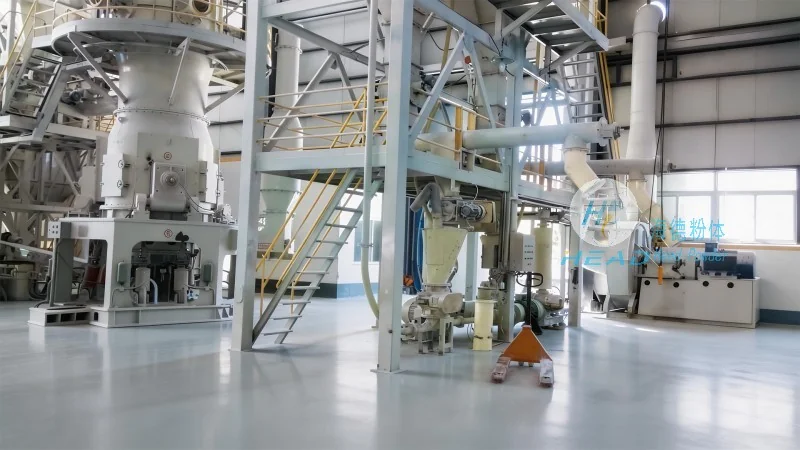
The process concludes when the fly ash reaches its destination, which could be a storage silo, a disposal site, or a utilization facility. At this point, the ash is discharged from the pipeline and collected in the receiving hopper or container. The system then returns to its initial state, ready for the next cycle of operation.
Working Principle of High-Temperature Fly Ash Pneumatic Conveying
The working principle of high-temperature fly ash pneumatic conveying equipment is based on the fundamental principles of fluid dynamics and material handling. The core concept is to use air as a medium to transport the solid material (fly ash) through a pipeline. The system operates by creating a pressure differential between the inlet and outlet of the pipeline, which drives the movement of the ash particles.
In a typical high-temperature system, the air compressor provides the necessary pressure to push the air through the pipeline. The feeder controls the flow of ash into the pipeline, ensuring that the air and ash mix in the correct proportion. The mixture of air and ash travels through the pipeline, with the air providing the kinetic energy to move the ash particles. The velocity of the air stream is critical; it must be high enough to keep the ash particles suspended and prevent them from settling or causing blockages.
The system may use either positive pressure or negative pressure (vacuum) to convey the ash. Positive pressure systems are more common for high-temperature applications as they can handle higher temperatures and provide more consistent flow. The positive pressure is generated by the air compressor, which pushes air into the pipeline, creating a pressure higher than the ambient air pressure. This pressure difference forces the ash to move through the pipeline.
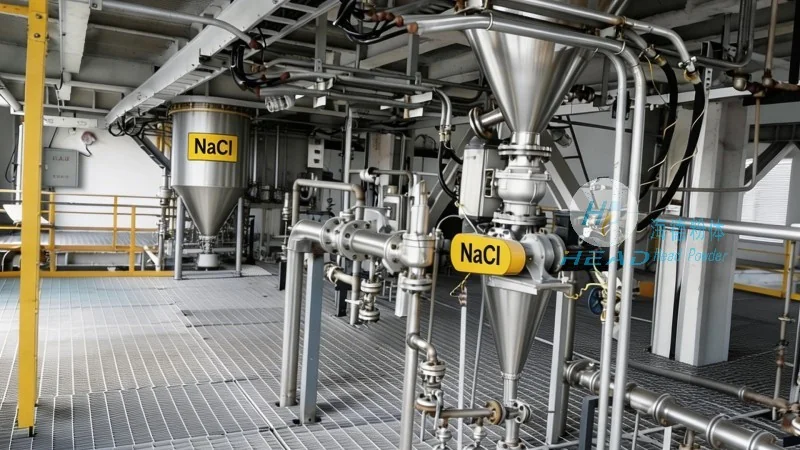
The design of the system takes into account the thermal properties of the fly ash. The equipment is insulated and equipped with heat-resistant materials to prevent heat loss and maintain the temperature of the ash. This is important because the temperature of the ash can affect its handling properties, such as its flowability and abrasiveness. Maintaining the temperature also helps to prevent the ash from cooling too quickly, which could cause it to become more difficult to handle.
The dust collection system is an integral part of the working principle, as it ensures that the fine particles of ash are captured and returned to the system or disposed of properly. This not only improves air quality but also prevents the loss of valuable material and reduces the risk of environmental contamination.
Advantages of High-Temperature Fly Ash Pneumatic Conveying Equipment
High-temperature fly ash pneumatic conveying equipment offers several advantages over traditional methods of fly ash handling, such as truck transport or mechanical conveyors. These advantages include improved efficiency, reduced labor costs, and enhanced safety. The equipment can handle large volumes of ash at a high speed, reducing the time and cost associated with material transport. It also eliminates the need for manual handling, which reduces the risk of accidents and exposure to hazardous materials.
Another advantage is the flexibility of the system. The pipeline can be configured to follow the layout of the facility, allowing for easy integration into existing infrastructure. The system can also be adjusted to handle different types of fly ash, such as from different power plants or with varying temperatures and compositions. This flexibility makes the equipment suitable for a wide range of industrial applications.
The equipment is also designed for low maintenance and long service life. The use of heat-resistant materials and proper insulation reduces the risk of wear and tear, while the simple design minimizes the number of moving parts that can fail. This results in lower maintenance costs and higher operational reliability, which are crucial for industrial operations.




