HeadPowder, a leading manufacturer based in Shandong, China, specializes in the design and production of high-quality pneumatic conveying equipment. This article provides an overview of polypropylene pneumatic conveying systems, focusing on their structural components and operational principles. Understanding these systems is crucial for industries dealing with polypropylene materials, as they offer efficient and reliable methods for material handling and transportation.
Key Components of Polypropylene Pneumatic Conveying Systems
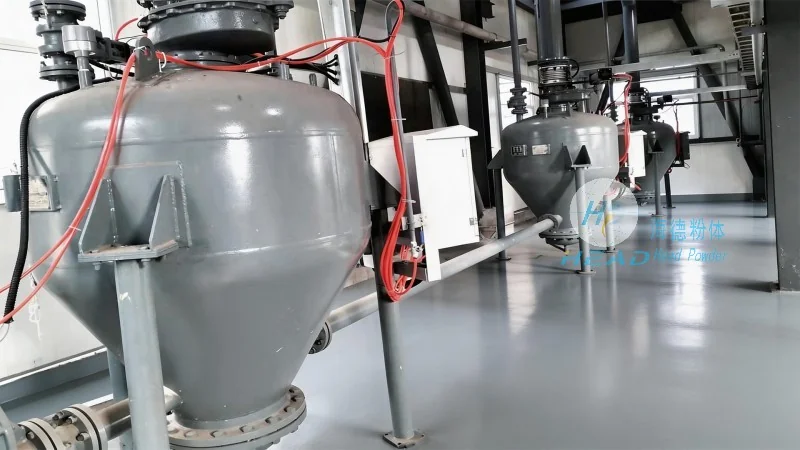
Polypropylene pneumatic conveying systems typically consist of several essential components that work in tandem to ensure smooth material transport. The primary components include the hopper, which serves as the material storage and feeding unit. The hopper is designed to accommodate bulk polypropylene, allowing for consistent and controlled discharge into the conveying line. A rotary valve, often integrated with the hopper, acts as a gate to regulate the flow of material, preventing backflow and maintaining a steady feed rate. The conveying line itself, usually made from durable materials such as stainless steel or specialized plastics, transports the polypropylene particles through the system. At the receiving end, a silo or storage tank collects the material, ensuring safe and organized handling. Additionally, a dust collector may be included to manage airborne particles, enhancing safety and environmental compliance.
Working Principles of Pneumatic Conveying
The operation of a polypropylene pneumatic conveying system relies on the principles of air movement and pressure differentials. The system uses compressed air to create a flow that propels the polypropylene particles through the conveying line. The process begins with the material being fed from the hopper into the line via the rotary valve. As compressed air is introduced at the discharge end, it creates a negative pressure or positive pressure (depending on the system design) that pulls or pushes the material along the pipe. The air velocity must be sufficient to overcome the gravitational forces and friction within the system, ensuring that the polypropylene particles remain suspended and transported efficiently. The system’s design, including the size of the conveying line and the air pressure, is critical in determining the optimal flow rate and material handling capacity. Properly configured, these systems can handle a wide range of polypropylene materials, from fine powders to larger granules, with minimal degradation or loss.
Advantages of Polypropylene Pneumatic Conveying Systems
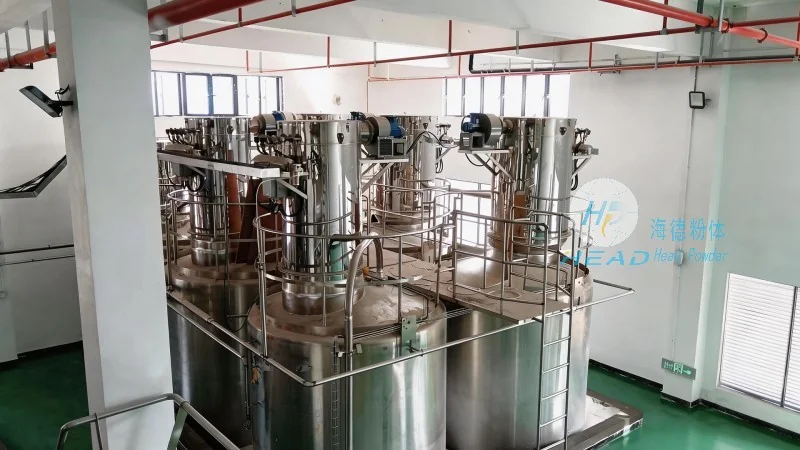
Implementing polypropylene pneumatic conveying systems offers numerous advantages for industrial applications. One of the most significant benefits is the ability to transport materials in a closed system, which minimizes dust exposure and contamination. This is particularly important for polypropylene, as it can be prone to static buildup and particle loss if handled in an open environment. The enclosed design also enhances safety by reducing the risk of material spillage and exposure to airborne particles. Additionally, these systems are highly efficient in terms of energy consumption and operational speed. They can handle large volumes of material quickly and with minimal labor, making them ideal for high-throughput production lines. The flexibility of pneumatic conveying systems allows for easy integration with existing production processes, as they can be adapted to various layouts and material flow requirements. Furthermore, the systems are relatively low maintenance, with components designed for durability and long service life, reducing downtime and operational costs.
Applications in Polypropylene Processing
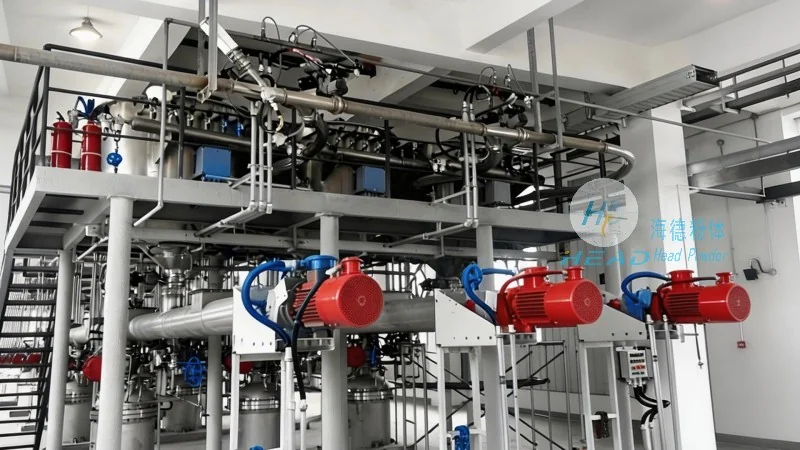
Polypropylene pneumatic conveying systems are widely used in various stages of polypropylene processing and manufacturing. In polymer production, these systems are employed to transport raw polypropylene pellets or powders from storage to processing units, such as extruders or reactors. The efficient handling of raw materials ensures a consistent supply to production lines, improving overall productivity. During the compounding or blending stages, pneumatic conveying helps in mixing different additives with the polypropylene base material, achieving uniform compositions. In the final stages of processing, the systems transport finished products, such as molded parts or pellets, from the production area to storage or packaging facilities. The ability to handle both raw and finished materials makes these systems versatile and essential in polypropylene processing plants. Industries that benefit from these systems include plastics manufacturing, packaging, and automotive components, where reliable and efficient material handling is critical to operational success.
Maintenance and Operational Considerations
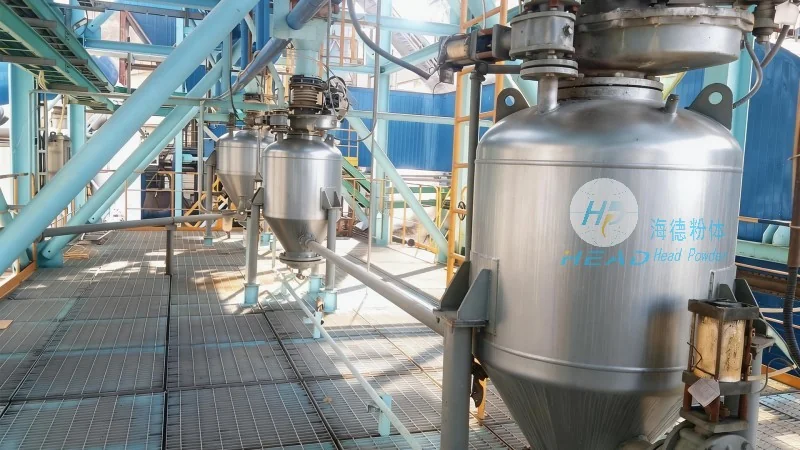
Proper maintenance and operational considerations are essential to ensure the longevity and efficiency of polypropylene pneumatic conveying systems. Regular inspection of components, such as the hopper, rotary valve, and conveying line, is necessary to detect and address any wear or damage. The rotary valve, for instance, may require periodic lubrication or replacement of seals to maintain proper sealing and flow control. The conveying line should be checked for blockages or leaks, as these can disrupt the air flow and reduce material transport efficiency. Cleaning the system, especially after handling different materials or during shutdowns, is crucial to prevent material buildup and contamination. The air filtration system, if present, should be maintained to ensure clean air is used for conveying, preventing dust accumulation in the system. Operational parameters, such as air pressure and flow rate, should be monitored and adjusted as needed to optimize performance. Training operators on proper system operation and maintenance procedures is also vital to prevent accidents and ensure consistent performance. By adhering to these maintenance practices, users can maximize the lifespan of their polypropylene pneumatic conveying systems and minimize operational disruptions.
Conclusion
Polypropylene pneumatic conveying systems, manufactured by HeadPowder in Shandong, China, represent a reliable and efficient solution for material handling in polypropylene processing industries. With their robust design, closed system operation, and ability to handle various material forms, these systems enhance productivity, safety, and environmental compliance. By understanding the key components, working principles, and operational considerations, industries can effectively integrate these systems into their production processes. HeadPowder’s commitment to quality and innovation ensures that their polypropylene pneumatic conveying systems meet the highest standards, providing long-term value and performance for their clients.




