Expanded clay aggregate, commonly known as lightweight aggregate, is widely used in construction and industrial applications due to its lightweight properties and excellent thermal insulation characteristics. The efficient transportation of this material from storage to processing sites is crucial for maintaining production efficiency and minimizing operational costs. Pneumatic conveying systems have emerged as a reliable solution for handling expanded clay aggregate, offering advantages such as dust-free operation, reduced labor costs, and improved safety compared to traditional methods like belt conveyors or manual handling.
HeadPowder, a leading provider of engineering solutions for bulk material handling, specializes in designing and manufacturing customized pneumatic conveying systems tailored to the unique requirements of expanded clay aggregate applications. With decades of experience in the industry, the company has developed robust systems that ensure consistent performance and durability, even under demanding operational conditions.
Located in Shandong, China, Shandong HeadPowder Engineering Co., Ltd. leverages advanced technology and rigorous quality control to deliver high-performance pneumatic conveying solutions. The company’s expertise spans the entire process from system design and installation to maintenance and after-sales support, ensuring that clients receive comprehensive service throughout the system's lifecycle.
Pneumatic Conveying System Components for Expanded Clay Aggregate
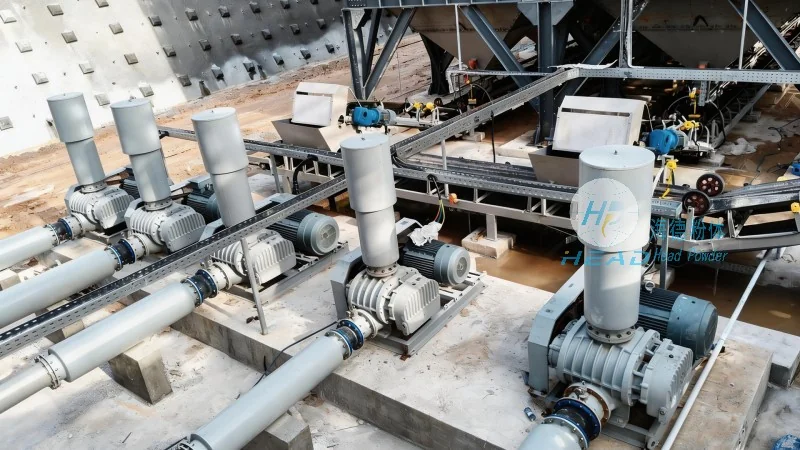
A typical pneumatic conveying system for expanded clay aggregate consists of several key components that work in tandem to achieve efficient material transport. The primary components include a hopper or storage silo for material storage, a feeder to control the flow rate of the material, a conveying line (usually made of stainless steel or other corrosion-resistant materials to handle the abrasive nature of expanded clay), a blower or air compressor to generate the necessary air pressure, and a receiver or discharge hopper at the destination point.
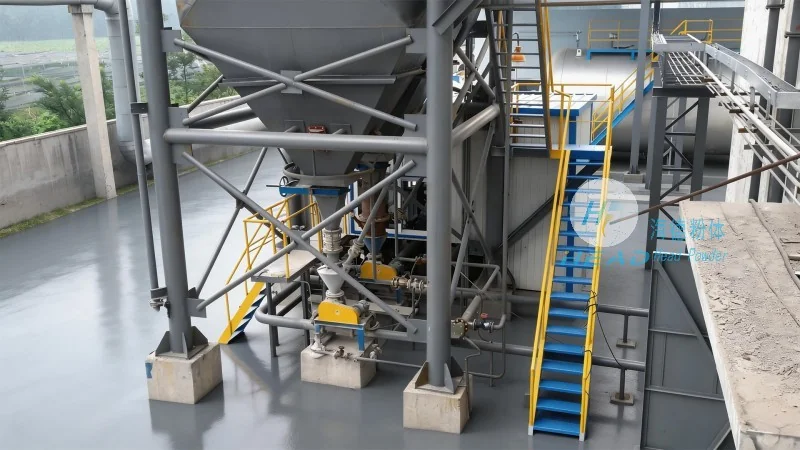
The hopper is designed to hold a sufficient quantity of expanded clay aggregate, ensuring a continuous supply to the feeder. The feeder, often a rotary valve or a screw feeder, regulates the material flow into the conveying line, preventing blockages and maintaining consistent air velocity. The conveying line is critical as it must withstand the abrasive action of the material while maintaining air tightness to prevent dust leakage. Blowers or air compressors provide the motive force, with the pressure and flow rate carefully selected based on the system's capacity and the distance between the source and destination.
The receiver at the end of the system collects the conveyed material, allowing for smooth discharge into the next processing stage. In some applications, additional components like filters or cyclones may be included to capture any fine particles and ensure clean air discharge, enhancing environmental compliance and system efficiency.
Advantages of Pneumatic Conveying Systems for Expanded Clay Aggregate
Compared to traditional material handling methods, pneumatic conveying systems offer several distinct advantages for expanded clay aggregate applications. One of the most significant benefits is the elimination of dust and airborne particles, which not only improves workplace safety but also reduces the risk of material contamination. This is particularly important for expanded clay aggregate, which is often used in construction where clean, dust-free material is essential for achieving high-quality finishes.
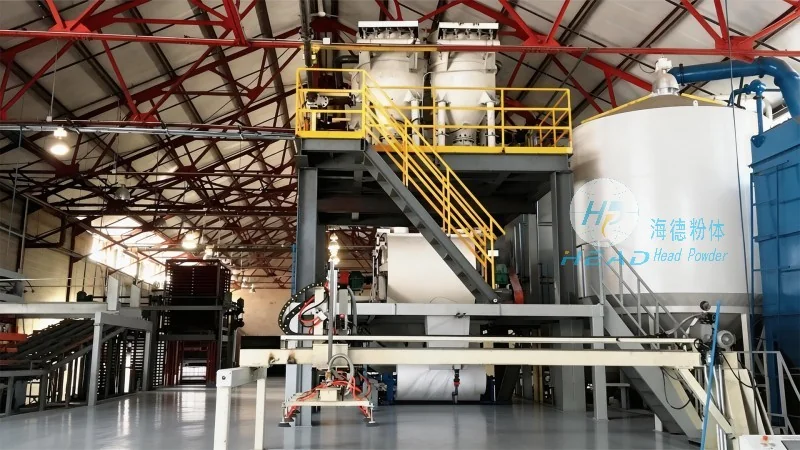
Another key advantage is the reduction in labor costs and operational time. Pneumatic systems can transport materials over long distances without the need for multiple transfer points or manual handling, streamlining the production process and increasing overall efficiency. Additionally, these systems are more compact and flexible, allowing for easy integration into existing facilities or reconfiguration to accommodate changes in production requirements.
From an environmental perspective, pneumatic conveying systems are more sustainable as they minimize material waste and reduce the need for additional cleaning or maintenance due to dust accumulation. The closed-loop design also helps in controlling emissions, making it a more environmentally friendly option compared to open-air handling methods.
Applications of Expanded Clay Aggregate Pneumatic Conveying Systems
Expanded clay aggregate pneumatic conveying systems are widely used in various industries where lightweight aggregate is a key component. In the construction industry, these systems are commonly employed in precast concrete plants, where expanded clay is mixed with cement to produce lightweight concrete blocks and panels. The efficient transport of the material ensures consistent mix quality and reduces downtime during production.
In the industrial sector, expanded clay aggregate is used in thermal insulation applications, such as in the manufacturing of insulation boards and panels. Pneumatic conveying systems facilitate the transport of the material from storage to production lines, enabling manufacturers to meet high production demands while maintaining product quality.
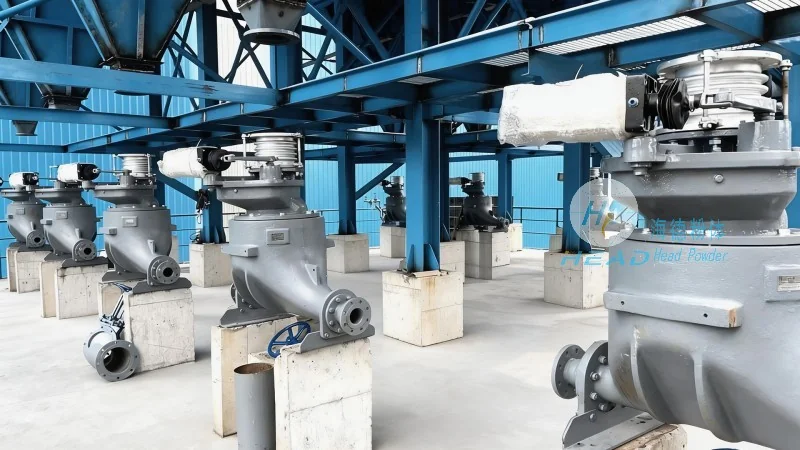
Additionally, these systems are utilized in the production of lightweight aggregate concrete, which is used in infrastructure projects like road construction and building foundations. The ability to transport the material over long distances without degradation ensures that the final product meets the required specifications for strength and durability.
Maintenance and Reliability of Pneumatic Conveying Systems
Ensuring the long-term performance and reliability of pneumatic conveying systems for expanded clay aggregate requires regular maintenance and proper operational practices. HeadPowder emphasizes the importance of routine inspections to identify and address potential issues before they lead to system failures. Key maintenance tasks include checking the condition of the conveying line for any signs of wear or damage, inspecting the feeder mechanism for proper operation, and verifying the performance of the blower or air compressor.
The abrasive nature of expanded clay aggregate can cause wear on system components over time. Therefore, using high-quality, corrosion-resistant materials for the conveying line and selecting appropriate wear-resistant components for the feeder and other parts is crucial. Regular cleaning of the system, especially the receiver and filter components, helps maintain air quality and prevents clogging, which can reduce system efficiency.




