Mineral powder pneumatic conveying systems are vital in industrial operations for efficiently transporting fine powders over various distances. These systems utilize air or gas as the medium to move materials, offering advantages such as reduced contamination, enhanced safety, and flexibility in layout. Understanding the classification and composition of such systems is essential for selecting the appropriate design for specific applications.
Classification of Pneumatic Conveying Systems
There are three primary categories of pneumatic conveying systems based on pressure differentials: positive pressure, negative pressure, and mixed pressure systems. Positive pressure systems operate by blowing air into the system, pushing material through the pipeline. Negative pressure systems draw material in by creating a vacuum. Mixed pressure systems combine elements of both, using a combination of positive and negative pressure zones to optimize performance. The selection depends on factors like material properties, distance, and system complexity.
Key Components of a Pneumatic Conveying System
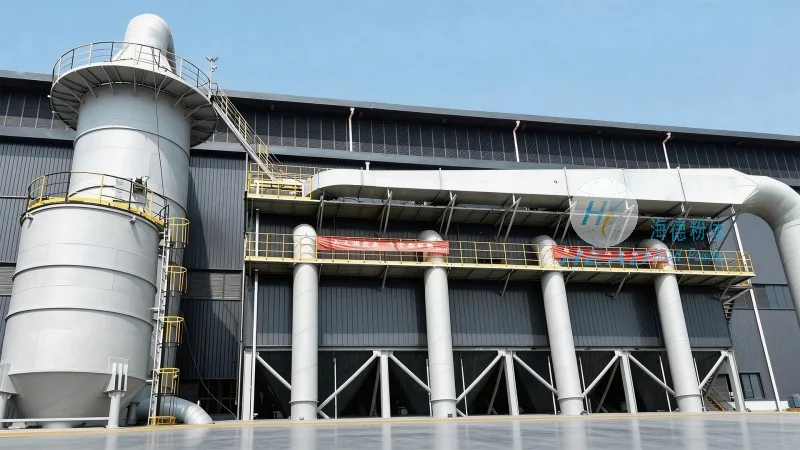
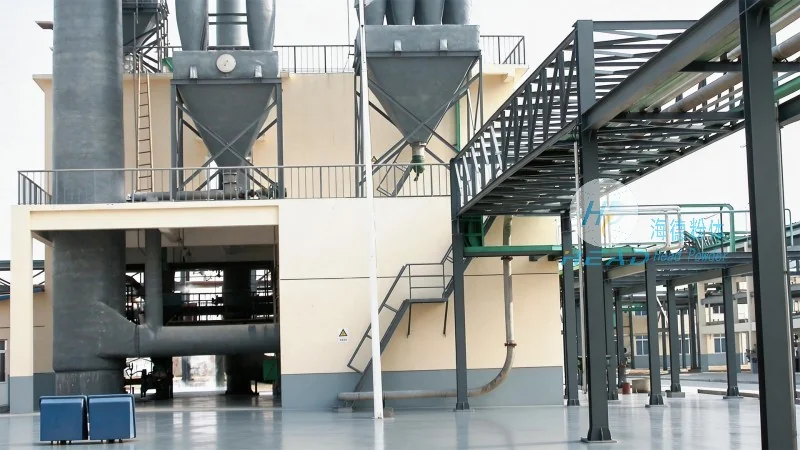
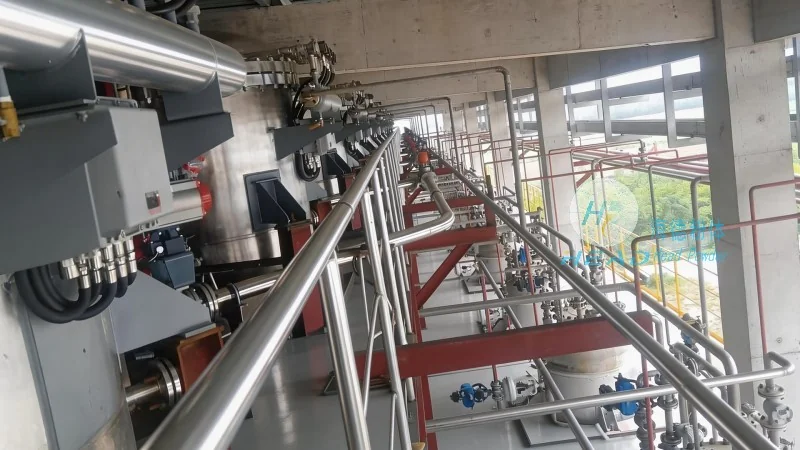
The core components of a mineral powder pneumatic conveying system include feeding equipment, conveying pipeline, air source equipment, separation equipment, and a control system. The feeding equipment introduces the powder, often using rotary valves or screw feeders. The conveying pipeline, typically made from stainless steel or plastic, serves as the pathway for the material and air mixture. The air source equipment provides the necessary air or gas, which may include compressors, blowers, or vacuum pumps. The separation equipment, such as cyclones or filters, separates the material from the air at the end of the process. The control system manages pressure, flow, and other parameters to maintain optimal performance.
Application in Mineral Processing
Mineral powder pneumatic conveying systems are widely used in the mining and mineral processing industries. They efficiently transport fine powders like limestone, cement, and ores from processing plants to storage or processing facilities. These systems handle materials with varying particle sizes and moisture content, ensuring consistent and reliable transport. For example, in cement production, they move raw materials and finished products, reducing labor costs and improving plant efficiency. In mining operations, they facilitate the transport of ore concentrates, integrating seamlessly with downstream processing steps.
Advantages of Pneumatic Conveying
Compared to traditional mechanical conveyors, pneumatic systems offer several advantages. They eliminate moving parts in the pipeline, reducing maintenance and extending equipment lifespan. The enclosed system prevents dust contamination, critical for product quality and environmental compliance. Additionally, they handle high-moisture or sticky materials, which are challenging for mechanical conveyors. Flexibility in system design allows easy integration with existing layouts, and the ability to transport materials over long distances without intermediate storage makes them a preferred choice.
About Shandong HeadPowder Engineering Co., Ltd.
Shandong HeadPowder Engineering Co., Ltd., branded as headpowder, is a leading manufacturer and supplier of mineral powder pneumatic conveying systems. The company specializes in designing and manufacturing customized solutions tailored to client needs, with a focus on innovation and quality. HeadPowder's systems meet high performance and reliability standards, ensuring efficient and safe material transport in various industrial settings. The company is committed to customer satisfaction and technological advancement, serving as a trusted partner in the mineral processing industry.




