Lead powder, a vital material in industries such as battery manufacturing and metallurgy, requires specialized handling methods to ensure safety and operational efficiency. Pneumatic conveying systems provide an effective solution by transporting lead powder through a pressurized or vacuum environment using air or other gases. This article offers a comprehensive analysis of such systems, focusing on their design, functionality, and practical applications, with insights from Shandong HeadPowder Engineering Co., Ltd., a leading provider in the field.
Understanding Pneumatic Conveying Technology
Pneumatic conveying systems operate by creating a flow of air or gas that moves the lead powder particles through a pipeline. There are two primary types: dilute-phase and dense-phase systems. Dilute-phase systems use high velocities to suspend particles, suitable for short distances and low to medium particle sizes. Dense-phase systems, on the other hand, use lower velocities and higher gas-to-solid ratios to transport particles more gently, minimizing product degradation and equipment wear. The choice between these systems depends on the specific characteristics of the lead powder, such as particle size distribution, moisture content, and the required conveying distance.
Key Components of a Lead Powder Pneumatic Conveying System
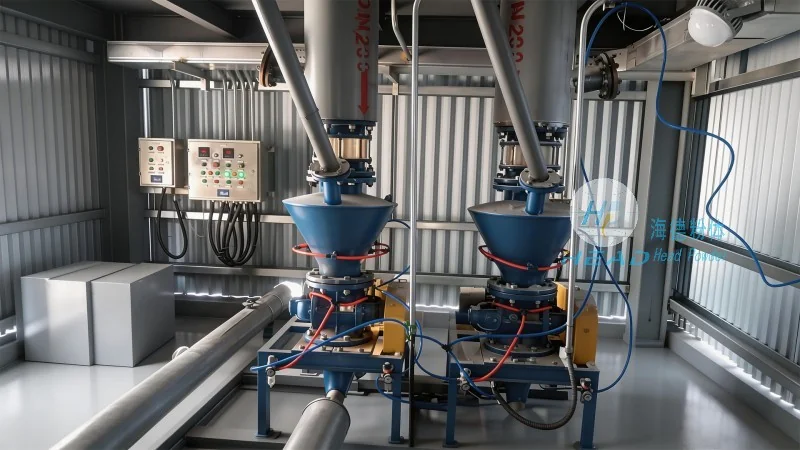
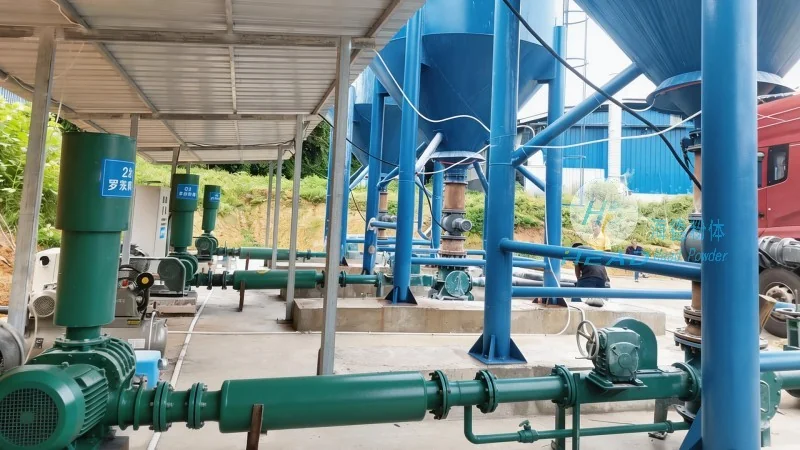
A typical lead powder pneumatic conveying system consists of several essential components. These include a hopper or feeder to store and meter the lead powder, a conveying line (pipeline) to transport the material, a blower or compressor to generate the air flow, and a receiver or discharge unit to collect the material at the destination. The hopper often incorporates a rotary valve or feeder to control the flow rate, ensuring consistent material delivery. The conveying line may include bends, elbows, or expansion joints to accommodate changes in direction or elevation. The blower or compressor provides the necessary pressure or vacuum to move the lead powder, with selection based on the system's capacity and the specific properties of the lead powder. The receiver is designed to handle the incoming material, often with a dust collection system to prevent environmental contamination and ensure safety. Shandong HeadPowder Engineering Co., Ltd. specializes in designing and manufacturing these components to meet the specific needs of lead powder handling, ensuring durability and efficiency.
Design Considerations for Lead Powder Handling
Designing a pneumatic conveying system for lead powder involves careful consideration of several factors to ensure optimal performance and safety. Material compatibility is a critical aspect, as the system components must be resistant to corrosion and wear caused by the lead powder. Stainless steel or specialized alloys are often used for hoppers, pipelines, and valves to prevent contamination and ensure longevity. Particle size and shape also influence system design; finer particles may require more energy to transport and are more prone to dust formation, necessitating additional filtration or dust control measures. The conveying distance and elevation changes must be accounted for, as these affect the required pressure and blower capacity. Additionally, safety considerations are paramount due to the hazardous nature of lead powder, including proper ventilation, dust collection systems, and compliance with occupational health and safety regulations.
Applications and Benefits of Lead Powder Pneumatic Conveying
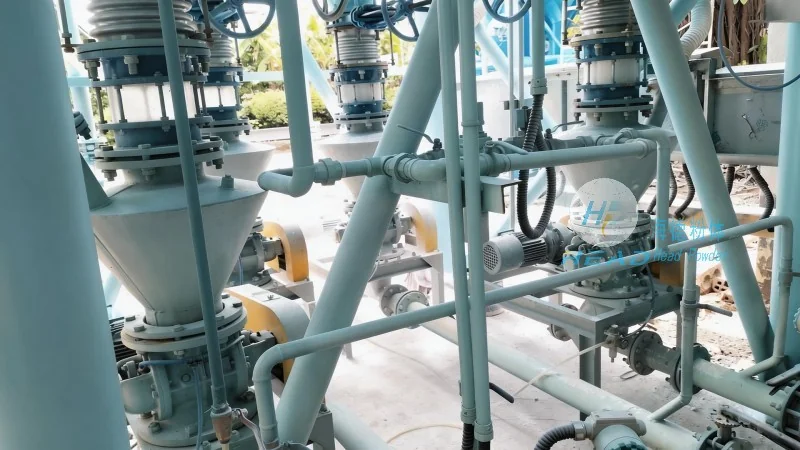
Lead powder pneumatic conveying systems are widely used in various industries, including battery manufacturing, where lead powder is a key component in the production of lead-acid batteries. The system's ability to handle lead powder efficiently and safely is crucial in these applications. Other industries that benefit from such systems include metallurgy, where lead powder is used in alloy production, and chemical processing, where lead powder is incorporated into various compounds. The primary benefits of pneumatic conveying for lead powder include improved safety by reducing manual handling, increased efficiency through automated material transport, and reduced product degradation due to gentle handling. Additionally, the system can be integrated with other processes, such as mixing or coating, to streamline production workflows.
Conclusion
Pneumatic conveying systems represent an effective solution for the handling and transportation of lead powder, offering a balance of efficiency, safety, and reliability. By understanding the design principles, key components, and operational considerations, industries can select and implement the most suitable system for their specific needs. As technology advances, further improvements in material handling systems are expected, enhancing the performance and safety of lead powder processing. The continued development of pneumatic conveying technology will likely play a significant role in the future of lead powder applications, supporting industrial growth and sustainability.




