HeadPowder, or Shandong HeadPowder Engineering Co., Ltd., is a professional manufacturer and supplier of pneumatic conveying systems, specializing in the design, production, and installation of equipment for bulk material handling. With a focus on high-quality engineering solutions, the company serves a wide range of industries, including chemical, pharmaceutical, and food processing, among others. HeadPowder's commitment to innovation and customer satisfaction has established it as a trusted partner in the field of material handling technology.
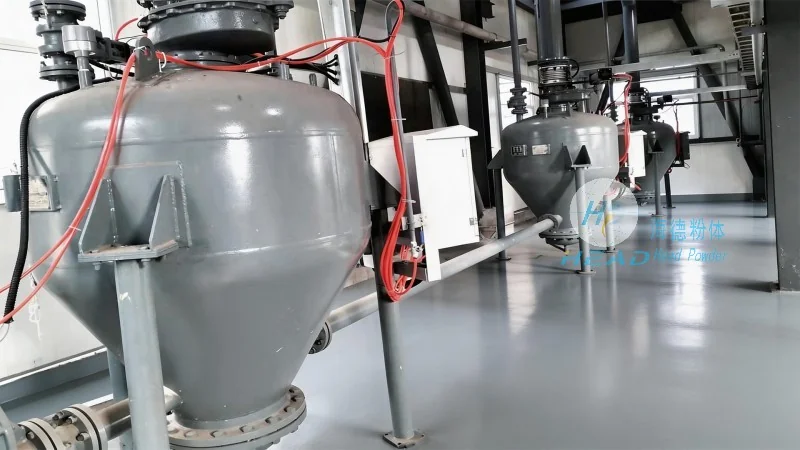
Pneumatic Conveying System Overview
A pneumatic conveying system is a method of transporting bulk materials through a pipeline using air or gas as the conveying medium. Electric calcined dolomite, a key material in various industrial applications, often requires efficient and reliable transport from storage to processing units. The choice of conveying mode—positive pressure or negative pressure—significantly impacts system performance, cost, and operational safety. This article provides a technical analysis of these two primary modes, highlighting their characteristics, advantages, and practical applications.
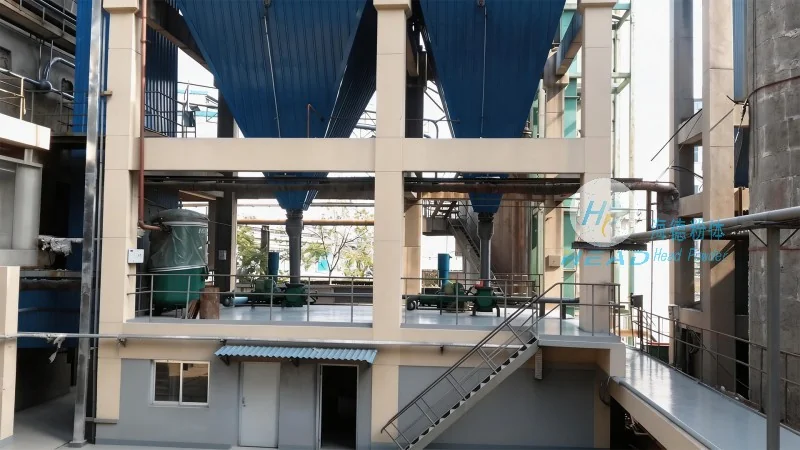
Positive Pressure Conveying Mode
Positive pressure conveying, also known as pressure pneumatic conveying, operates by blowing air or gas into the conveying line under pressure. The system uses a positive pressure blower or compressor to generate the necessary pressure, pushing the material through the pipeline. This mode is particularly suitable for long-distance or high-velocity transport, as it can handle larger particle sizes and higher material loads. The positive pressure system typically includes a hopper, a rotary valve, a filter, and a receiver. The material is fed into the hopper, and the rotary valve controls the flow rate. The blower then pushes air and material through the pipeline, where the filter removes any dust or debris. The material is deposited in the receiver at the end of the line. Key advantages of positive pressure conveying include its ability to handle abrasive materials, its suitability for long-distance transport, and its lower maintenance requirements compared to negative pressure systems. However, it may require more energy and may pose higher safety risks due to the pressurized air.
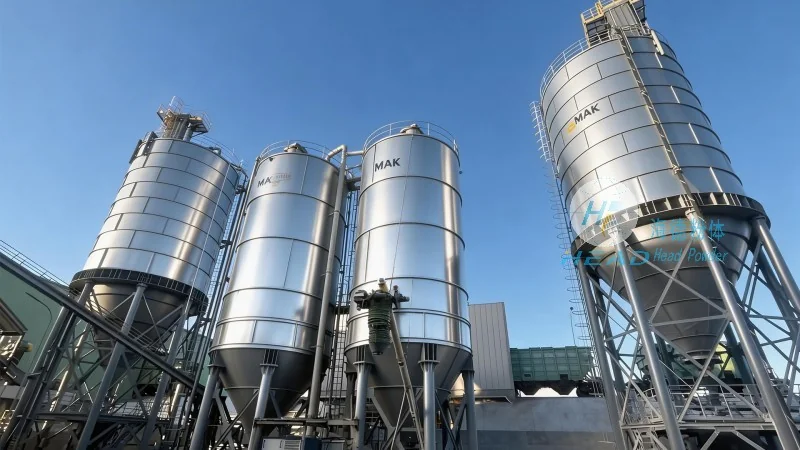
Negative Pressure Conveying Mode
Negative pressure conveying, or vacuum pneumatic conveying, operates by creating a vacuum in the conveying line, drawing material from the source into the pipeline. The system uses a vacuum pump to create the necessary suction, pulling the material through the pipeline. This mode is ideal for short-distance or low-velocity transport, as it can handle fine or powdery materials with minimal particle breakage. The negative pressure system typically includes a hopper, a rotary valve, a vacuum pump, and a filter. The material is fed into the hopper, and the rotary valve controls the flow rate. The vacuum pump then creates a vacuum in the pipeline, drawing material from the hopper into the line. The filter removes any dust or debris, and the material is deposited in the receiver. Key advantages of negative pressure conveying include its ability to handle fine powders without degradation, its lower energy consumption compared to positive pressure systems, and its reduced risk of dust explosion due to the lower air velocity. However, it may have limitations in handling abrasive or high-density materials and may require more maintenance for the vacuum pump.




