Diatomite, a natural sedimentary rock composed primarily of fossilized diatoms, is widely used in various industrial applications due to its unique properties such as high porosity, excellent filtration capabilities, and lightweight characteristics. The efficient and reliable transportation of diatomite powder from production sites to processing facilities is crucial for maintaining production efficiency and product quality. Pneumatic conveying systems have emerged as a preferred method for handling diatomite powder, offering advantages over traditional mechanical conveying methods like reduced dust generation, lower maintenance requirements, and the ability to transport materials over long distances. This article provides a technical analysis of diatomite powder pneumatic conveying systems, focusing on the comparison between positive pressure and negative pressure conveying modes.
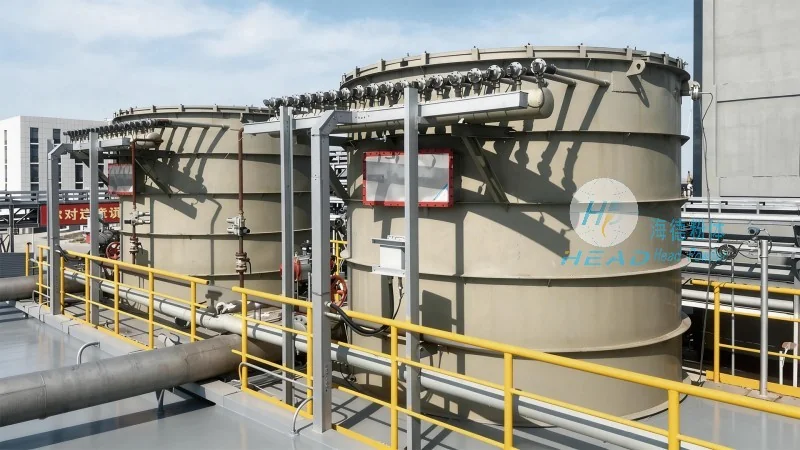
HeadPowder, a leading engineering company based in Shandong, China, specializes in the design, manufacturing, and installation of advanced pneumatic conveying systems tailored to the specific needs of diatomite processing industries. With years of experience in the field, HeadPowder has developed expertise in optimizing conveying systems for diatomite powder, ensuring high performance, durability, and cost-effectiveness. The company's headquarters is located in Shandong, China, where it serves clients across the region and beyond, providing comprehensive solutions for material handling challenges in the diatomite industry.
Understanding Pneumatic Conveying Systems for Diatomite Powder
Pneumatic conveying systems utilize air or gas to transport solid materials through a pipeline. The two primary modes of operation are positive pressure (or pressure) conveying and negative pressure (or vacuum) conveying. Each mode has distinct characteristics, advantages, and applications, making the selection of the appropriate system critical for the efficient handling of diatomite powder.
Positive Pressure Conveying Mode
Positive pressure conveying systems operate by blowing air or gas into the conveying line, creating a pressure higher than the ambient air pressure. The material is then carried by the moving air stream through the pipeline to the destination. This mode is often referred to as "blow" or "pressure" conveying. In the context of diatomite powder, positive pressure systems are commonly used for short to medium-distance conveying, where the material is transported from a silo or storage bin to a processing unit or packaging area.
Key advantages of positive pressure conveying for diatomite powder include: efficient material transport with minimal pressure drop, ability to handle a wide range of particle sizes and moisture content, and reduced risk of material degradation due to low friction and gentle handling. The system typically consists of a blower, a hopper or feeder, a conveying line, and a receiver or discharge unit. The blower provides the necessary pressure to move the material, while the feeder controls the flow rate to maintain consistent conveying performance.
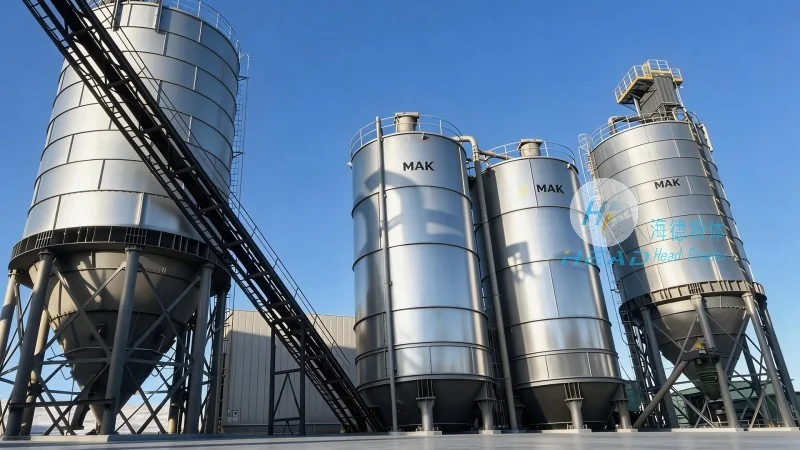
However, positive pressure systems may have limitations when dealing with diatomite powder, particularly in terms of long-distance conveying or handling of highly abrasive materials. The higher pressure requirements can lead to increased energy consumption and higher capital costs for the blower and pipeline components. Additionally, the system may generate more noise and require more space for the blower and associated equipment.
Negative Pressure Conveying Mode
Negative pressure conveying systems, also known as vacuum or "suction" conveying, operate by creating a vacuum in the conveying line, drawing material from the source into the pipeline using the pressure differential. The material is then transported to the destination, where the vacuum is broken to discharge the material. This mode is often used for long-distance conveying or when the material needs to be transported from multiple sources to a central processing facility.
For diatomite powder, negative pressure systems offer several advantages, including the ability to handle materials from multiple points of origin, reduced risk of dust leakage at the source, and lower energy consumption compared to positive pressure systems for long-distance conveying. The system typically includes a vacuum pump, a hopper or feeder, a conveying line, and a receiver or discharge unit. The vacuum pump creates the necessary suction to draw the material, while the feeder controls the flow rate to maintain consistent conveying performance.
Nevertheless, negative pressure conveying has its own set of challenges when applied to diatomite powder. The higher vacuum levels required for long-distance conveying can lead to increased energy consumption and higher maintenance costs for the vacuum pump. Additionally, the system may be more susceptible to blockages or clogging in the pipeline, especially if the diatomite powder contains high moisture content or is prone to agglomeration. The risk of dust leakage at the source is also higher compared to positive pressure systems, requiring additional dust control measures.
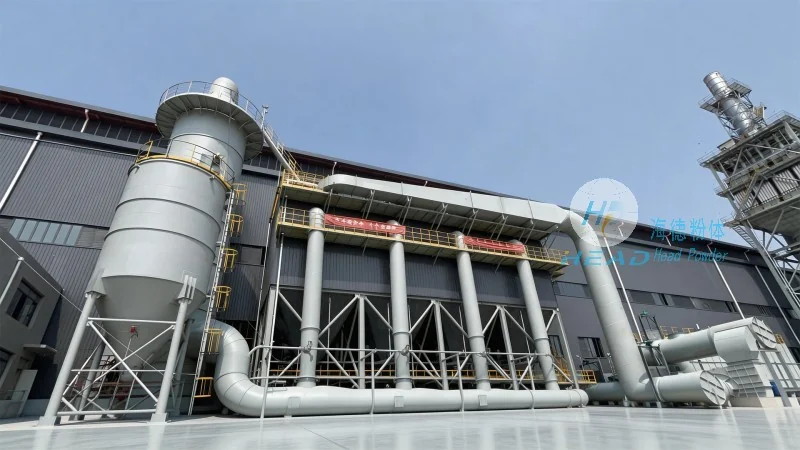
Comparison of Positive and Negative Pressure Conveying Modes for Diatomite Powder
When selecting a pneumatic conveying system for diatomite powder, it is essential to evaluate the specific requirements of the application, including the distance of material transport, the volume of material to be handled, the particle size and moisture content of the powder, and the available space and budget. The comparison between positive and negative pressure conveying modes for diatomite powder is summarized below:
Conveying Distance: Positive pressure systems are generally more suitable for short to medium distances (typically up to 100 meters), while negative pressure systems are better suited for long distances (up to several hundred meters or more).
Energy Consumption: Positive pressure systems typically consume more energy due to the higher pressure required to move the material, whereas negative pressure systems may have lower energy consumption for long-distance conveying but higher energy consumption for short distances.
Material Handling: Positive pressure systems are effective for handling a wide range of particle sizes and moisture content, including highly abrasive materials. Negative pressure systems are also capable of handling various materials but may require additional measures to prevent clogging or agglomeration.
Space and Equipment: Positive pressure systems require more space for the blower and associated equipment, while negative pressure systems may need additional space for the vacuum pump and dust collection systems.
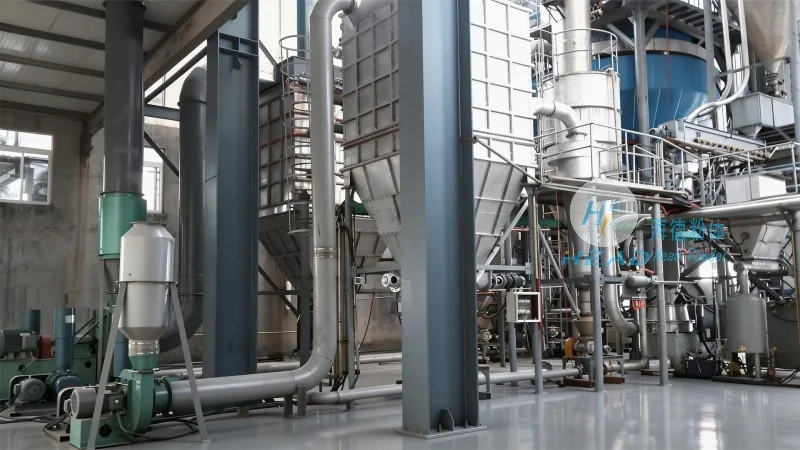
Cost: The initial capital cost of positive pressure systems is often lower compared to negative pressure systems, especially for short-distance applications. However, the long-term operational costs, including energy consumption and maintenance, may be higher for positive pressure systems. Negative pressure systems may have higher initial costs due to the vacuum pump and additional components but may offer lower operational costs for long-distance conveying.
Application Considerations for Diatomite Powder Pneumatic Conveying
The choice between positive and negative pressure conveying modes for diatomite powder depends on several factors, including the specific application requirements and the characteristics of the material. For example, in a diatomite processing plant where the material is transported from a storage silo to a processing unit over a short distance (e.g., 50 meters), a positive pressure system may be the most cost-effective and efficient solution. Conversely, if the material needs to be transported from multiple silos to a central processing facility over a longer distance (e.g., 300 meters), a negative pressure system may be more suitable due to its ability to handle long distances and multiple sources.
HeadPowder's engineering expertise allows for the design of customized pneumatic conveying systems that optimize performance based on these factors. The company considers the specific properties of diatomite powder, such as particle size distribution, moisture content, and flowability, to select the appropriate conveying mode and system components. This ensures that the system operates efficiently, minimizes material loss and degradation, and meets the production requirements of the client.
Conclusion
Pneumatic conveying systems, particularly positive and negative pressure modes, play a critical role in the efficient handling of diatomite powder. The selection of the appropriate conveying mode depends on various factors, including conveying distance, material characteristics, and operational requirements. HeadPowder, with its expertise in diatomite processing and pneumatic conveying systems, provides tailored solutions that enhance the performance and reliability of material handling processes in the diatomite industry. By understanding the technical aspects and advantages of each conveying mode, industries can optimize their operations, reduce costs, and improve overall productivity.




