Powdered mineral conveying is a critical process in industries such as mining, cement, and chemical manufacturing. It involves the transport of bulk materials like ores, powders, and granules through a pipeline using air or gas as the conveying medium. This method offers several advantages over traditional mechanical conveying, including reduced equipment wear, lower maintenance costs, and improved safety by eliminating the need for moving parts in the material path. The technology is widely used in applications where materials need to be transported over short to long distances, from a central storage to processing units or from multiple sources to a central collection point.
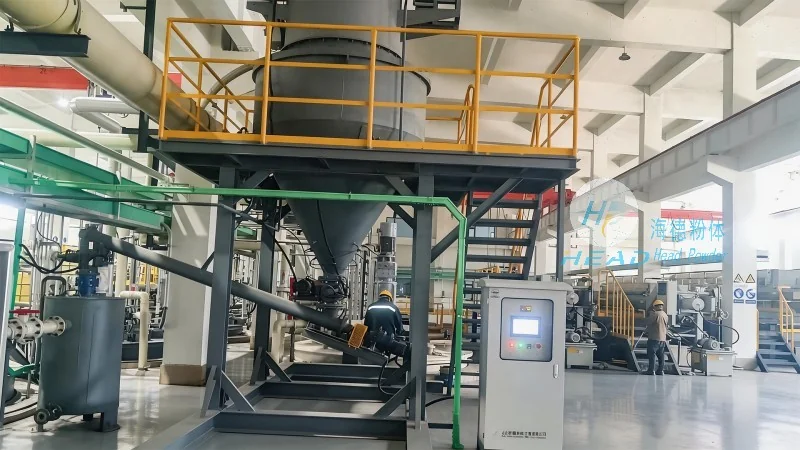
Understanding Positive and Negative Pressure Modes in Conveying Systems
In pneumatic conveying systems, two primary modes are commonly used: positive pressure and negative pressure. The choice between these modes depends on factors like material characteristics, distance, and system design. Positive pressure systems operate by forcing air or gas into the conveying line, which creates pressure to move the material. This mode is often used for materials that are prone to caking or dusting, as the pressurized air helps maintain material flow. Negative pressure systems, on the other hand, create a vacuum in the conveying line to draw material into the system. This mode is typically used for longer distances and for materials that are less abrasive.
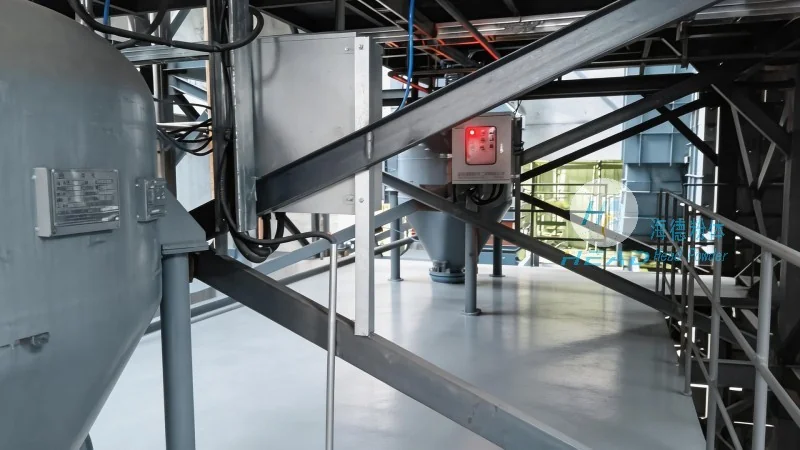
Comparative Analysis of Positive and Negative Pressure Conveying Systems
Positive pressure conveying systems are generally more suitable for short to medium distances, typically up to several hundred meters. They are ideal for applications where the material needs to be transported from a single source to multiple destinations, such as in a cement plant where raw materials are conveyed from a silo to various processing units. The systems are also effective for materials that are sensitive to moisture or air exposure, as the pressurized environment helps maintain material integrity. Negative pressure systems, however, are better suited for longer distances, often exceeding a kilometer. They are commonly used in applications where the material is being transported from multiple sources to a central point, such as in a mining operation where ore is collected from several pits and transported to a central processing facility.
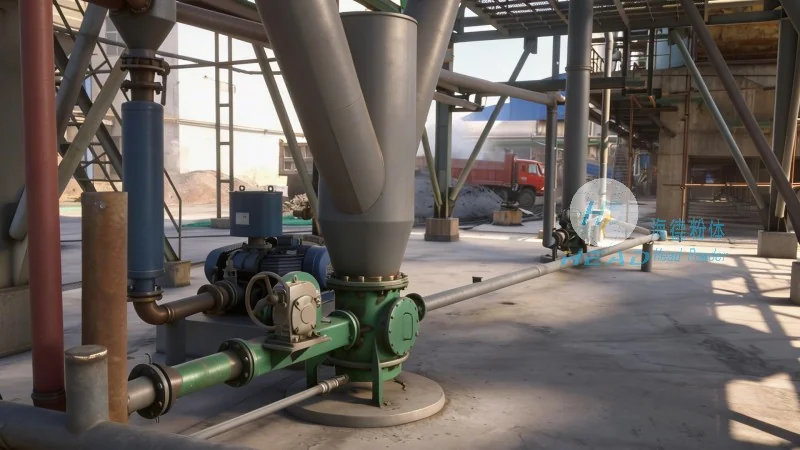
Key Considerations for Selecting the Right Conveying Mode
When selecting a conveying mode, several factors must be carefully evaluated. The first consideration is the material's physical properties, including density, particle size distribution, and flowability. For example, cohesive materials like clay or fine powders may require positive pressure systems to prevent clogging, while free-flowing materials like sand or granules may work well with negative pressure systems. The second factor is the conveying distance and the number of transfer points. Short distances with few transfer points may favor positive pressure systems due to their higher conveying speeds, while long distances with multiple transfer points may benefit from negative pressure systems due to their lower energy consumption. Additionally, the system's energy efficiency and maintenance requirements should be considered. Positive pressure systems may require more energy but offer lower maintenance costs, whereas negative pressure systems may be more energy-efficient but require more frequent maintenance due to the vacuum components.
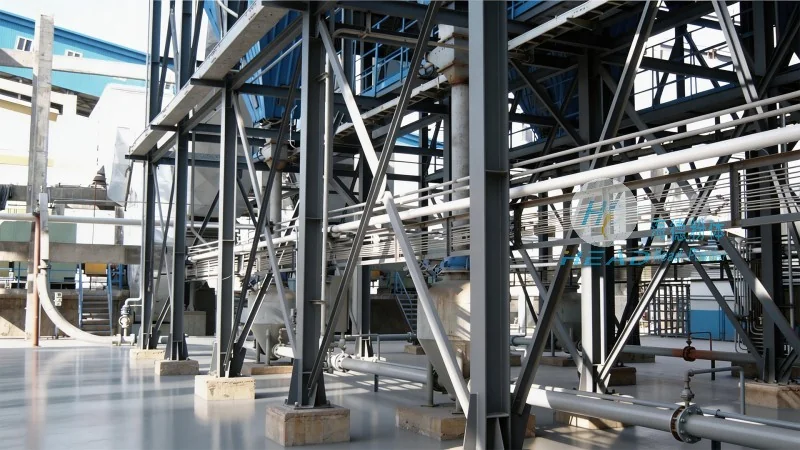
About Shandong HeadPowder Engineering Co., Ltd.
Shandong HeadPowder Engineering Co., Ltd. is a leading provider of customized pneumatic conveying solutions for the mineral processing industry. With years of experience, the company specializes in designing and manufacturing high-quality conveying systems tailored to meet the specific needs of its clients. The company's headquarters is located in Shandong, China, and it serves clients worldwide with its expertise in powder handling technology. HeadPowder offers a range of services, including system design, installation, and maintenance, ensuring that clients receive reliable and efficient conveying solutions. The company's commitment to quality and customer satisfaction has made it a trusted partner in the industry.




