

Analysis of Carbide Powder Pneumatic Conveying Technology: Comparison of Positive and Negative Press
Carbide powder, a critical raw material in various industrial applications, requires efficient and reliable handling methods to ensure smooth production processes. Pneumatic conveying technology has emerged as a preferred solution for transporting such powders due to its ability to handle fine, abrasive, or reactive materials with minimal contamination. This article provides a detailed analysis of the two primary pneumatic conveying modes—positive pressure and negative pressure—used for carbide powder transport, highlighting their operational principles, advantages, and practical considerations.
Introduction to Pneumatic Conveying for Carbide Powder
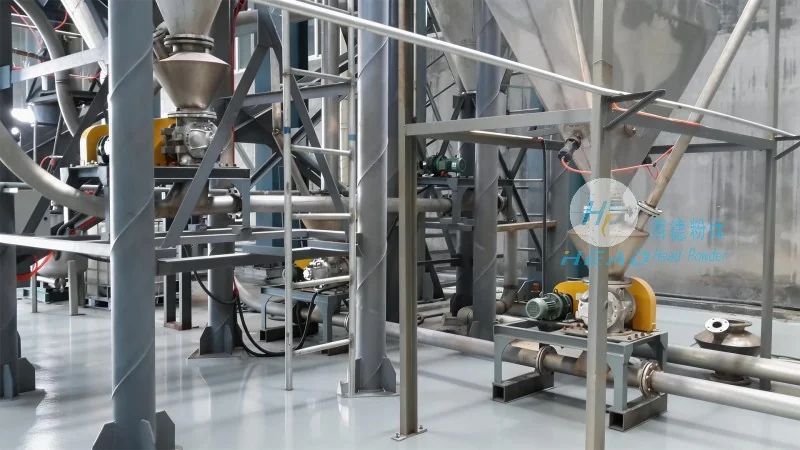
Pneumatic conveying systems utilize air or gas to transport bulk materials like carbide powder through a pipeline network. The choice of conveying mode—positive or negative pressure—significantly impacts system design, energy consumption, and material handling efficiency. Understanding the differences between these modes is essential for selecting the most suitable solution for specific industrial needs.
About Shandong HeadPowder Engineering Co., Ltd.
Shandong HeadPowder Engineering Co., Ltd., operating under the brand name HeadPowder, is a leading provider of specialized engineering solutions for powder handling and material transport. With a focus on innovation and quality, the company has developed advanced pneumatic conveying systems tailored to the unique requirements of industries dealing with carbide powders. HeadPowder's expertise lies in designing, manufacturing, and implementing efficient, cost-effective solutions that enhance productivity and safety in material handling operations.
Positive Pressure Pneumatic Conveying Mode
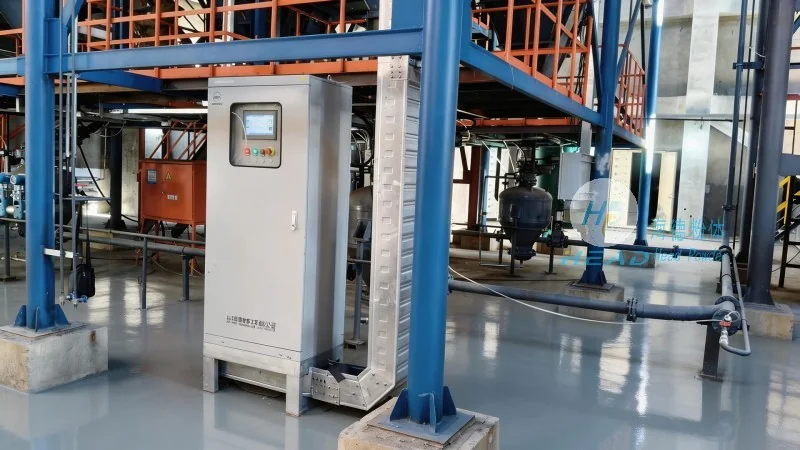
Positive pressure systems operate by blowing air or gas into the conveying line, creating a pressure higher than the ambient atmosphere. This mode is particularly effective for transporting carbide powder over long distances or through complex network configurations. The primary advantage of positive pressure is its ability to handle high material loads and maintain consistent flow rates, even when dealing with abrasive or reactive powders. The system typically consists of a blower, a material feed hopper, and a pipeline network that transports the powder to the destination. The positive pressure ensures that the material is continuously pushed through the system, reducing the risk of blockages and ensuring reliable delivery.
Negative Pressure Pneumatic Conveying Mode
Negative pressure systems, also known as vacuum or suction conveying, operate by creating a vacuum in the conveying line, drawing material from the source into the pipeline. This mode is often preferred for short-distance or localized transport of carbide powder, as it is more energy-efficient for shorter runs. The system includes a vacuum pump, a material hopper, and a collection point at the destination. The negative pressure pulls the powder through the line, making it suitable for applications where the material needs to be collected from a specific source and delivered to a nearby processing unit. However, negative pressure systems may face challenges with abrasive powders, as the vacuum can cause increased wear on the system components.
Comparison of Positive and Negative Pressure Modes
When selecting between positive and negative pressure pneumatic conveying for carbide powder, several factors must be considered. Positive pressure systems are generally more suitable for long-distance transport, high material throughput, and handling abrasive or reactive powders due to their robust design and consistent pressure. They are also less prone to material degradation, as the high pressure prevents air infiltration that could affect the powder's properties. On the other hand, negative pressure systems are more energy-efficient for short distances and are easier to install in existing facilities. They are ideal for applications where the material source and destination are close, and the risk of dust emissions is minimal. The choice ultimately depends on the specific operational requirements, including distance, material characteristics, and energy consumption considerations.
Application Scenarios and Practical Recommendations
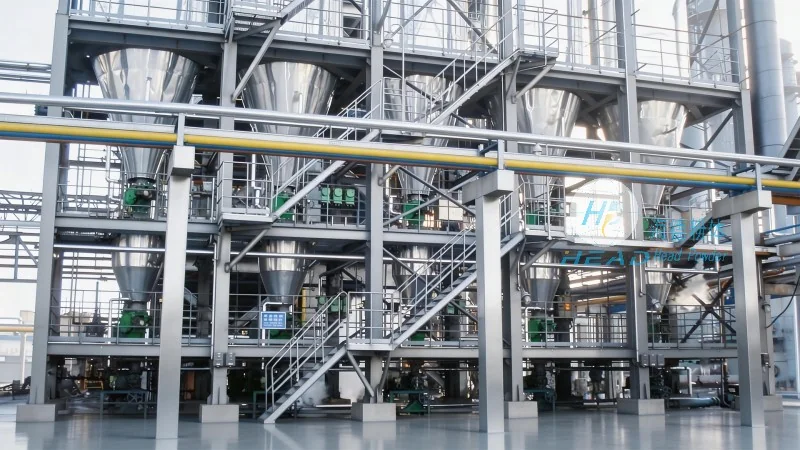
For industries dealing with carbide powders, the choice of pneumatic conveying mode should align with the production workflow and material handling needs. Positive pressure systems are recommended for large-scale production facilities where the powder needs to be transported over long distances or through multiple processing stages. These systems ensure reliable, high-volume transport and are compatible with automated material handling processes. Negative pressure systems are more suitable for smaller-scale operations or applications where the powder is generated and used in the same location, such as in laboratory settings or small-scale manufacturing. Practical recommendations include conducting a thorough material analysis to determine the powder's properties, assessing the distance and complexity of the transport route, and evaluating the energy and maintenance costs associated with each system. HeadPowder's engineering team can provide customized solutions based on these factors, ensuring optimal performance and efficiency for carbide powder handling.
Conclusion
Pneumatic conveying technology offers a versatile and effective solution for transporting carbide powder, with positive and negative pressure modes providing distinct advantages depending on the application. Positive pressure systems excel in long-distance, high-throughput applications, while negative pressure systems are more energy-efficient for short distances. By understanding the operational principles and practical considerations of each mode, industries can select the most suitable pneumatic conveying system to enhance productivity, reduce costs, and ensure safe handling of carbide powders. Shandong HeadPowder Engineering Co., Ltd. continues to innovate in this field, providing advanced solutions that meet the evolving needs of the industry.