Pneumatic conveying is a critical technology in the handling and transportation of bulk materials, particularly in the steel industry where coke powder plays a vital role as a key raw material. The choice between positive and negative pressure systems significantly impacts operational efficiency, cost, and material handling safety. This article provides a detailed analysis of the two primary modes—positive pressure and negative pressure—used for coke powder pneumatic conveying, with a focus on their technical characteristics, advantages, and practical applications.
Positive Pressure Pneumatic Conveying Systems
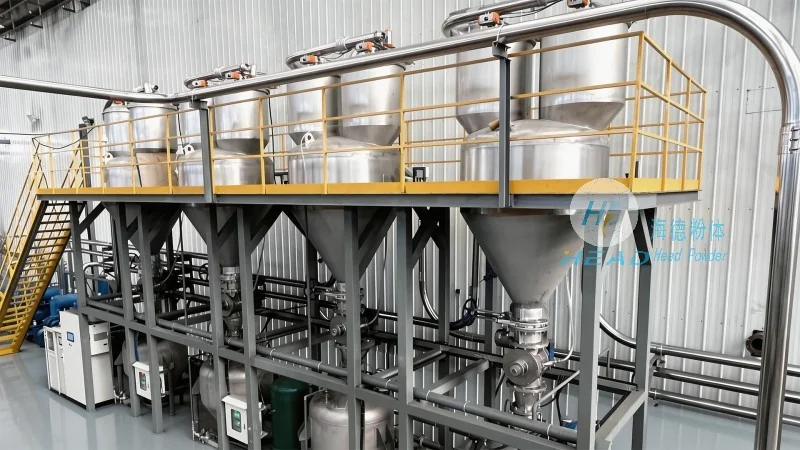
Positive pressure systems operate by blowing air or a gas mixture into the conveying line, creating a pressure higher than the ambient air pressure. This method is widely used in coke powder handling due to its ability to handle abrasive and dusty materials effectively. The system typically consists of a blower, a hopper for material storage, a conveying line, and a receiver for the material at the destination. The positive pressure ensures that the material is continuously pushed through the line, reducing the risk of blockages caused by negative pressure draws.
In terms of performance, positive pressure systems can handle longer distances and higher material loads compared to negative pressure systems. They are particularly suitable for applications where the material needs to be transported from a central storage point to multiple destinations or over significant vertical distances. The pressure differential also helps in maintaining consistent flow rates, which is crucial for maintaining the quality of coke powder during transport.
From an operational perspective, positive pressure systems are generally easier to maintain and control. The high pressure ensures that the material is conveyed without the need for complex vacuum pumps or extensive suction lines. However, they require robust equipment capable of withstanding higher pressures and can be more energy-intensive due to the continuous operation of the blower.
Negative Pressure Pneumatic Conveying Systems
Negative pressure systems, also known as vacuum conveying, operate by creating a vacuum in the conveying line, drawing material from the source into the system. This method is often preferred for applications where the material is to be collected from multiple points or where the destination is at a lower elevation than the source. The system includes a vacuum pump, a hopper, a conveying line, and a receiver.
One of the key advantages of negative pressure systems is their ability to handle fine powders and prevent dust emissions at the source. The vacuum draws the material into the line, minimizing the risk of dust dispersion during loading. This makes them ideal for applications where environmental compliance and material containment are critical. Additionally, negative pressure systems can be more energy-efficient for short-distance or low-volume conveying tasks.
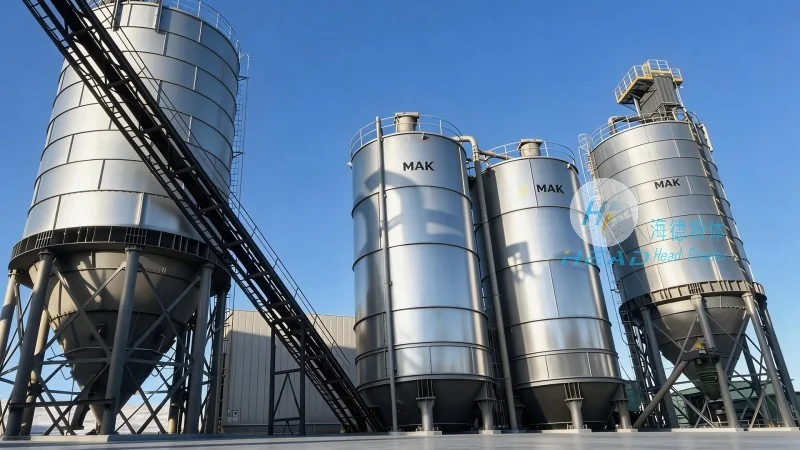
However, negative pressure systems have limitations in terms of distance and material load capacity. The vacuum pressure is typically lower than the positive pressure, which can lead to lower flow rates and increased risk of blockages, especially with cohesive or abrasive materials like coke powder. The system also requires careful design to prevent air leaks, as any leakage can reduce the vacuum efficiency and affect the conveying performance.
Comparison Between Positive and Negative Pressure Systems
When comparing positive and negative pressure pneumatic conveying systems for coke powder, several factors need to be considered. The choice between the two depends on the specific application requirements, including the distance to be covered, the volume of material to be transported, the material characteristics, and the operational environment.
From a distance perspective, positive pressure systems are generally more suitable for longer conveying distances, typically up to several hundred meters, while negative pressure systems are better for shorter distances, usually up to 100 meters. For vertical conveying, positive pressure systems can handle higher elevations due to the ability to maintain pressure, whereas negative pressure systems may struggle with significant vertical lifts.
Material characteristics also play a crucial role. Positive pressure systems are more effective for handling coarse, abrasive materials that can cause wear on the conveying line. Negative pressure systems, on the other hand, are better suited for fine powders that are prone to dusting and require careful handling to prevent contamination.
Operational costs and energy consumption are other important considerations. Positive pressure systems tend to have higher energy consumption due to the continuous operation of the blower, while negative pressure systems may have lower energy costs but higher maintenance requirements for vacuum pumps. The initial investment for positive pressure systems is usually higher due to the need for robust blower units and pressure-resistant components.
Application Scenarios and Practical Considerations
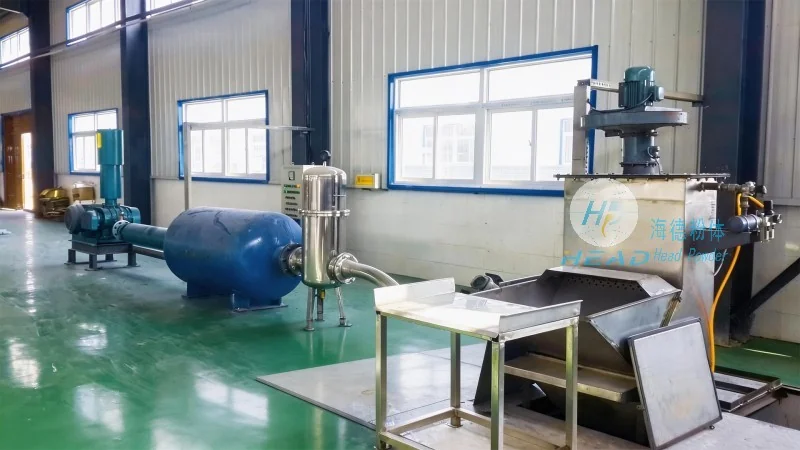
Understanding the differences between positive and negative pressure systems helps in selecting the appropriate technology for specific coke powder handling applications. For example, in a steel plant where coke powder is transported from a central storage silo to multiple blast furnaces, a positive pressure system might be preferred due to the need to cover longer distances and handle higher material volumes. Conversely, in a smaller facility where coke powder is collected from a few scattered sources and transported to a central processing unit, a negative pressure system could be more cost-effective and environmentally friendly.
Environmental regulations and safety considerations also influence the choice of system. Negative pressure systems are often favored in applications where dust control is a priority, as they minimize emissions at the source. Positive pressure systems, while effective in containing dust within the conveying line, may require additional filtration and exhaust systems to comply with environmental standards.
Maintenance and reliability are critical factors in the long-term operation of pneumatic conveying systems. Positive pressure systems typically have fewer moving parts in the conveying line itself, reducing the risk of wear and tear. However, the blower and associated components require regular maintenance to ensure consistent performance. Negative pressure systems, with their vacuum pumps and suction lines, may have more complex maintenance requirements, especially if air leaks occur.
Conclusion
Pneumatic conveying technology is essential for efficient coke powder handling in the steel industry. Both positive and negative pressure systems offer unique advantages and are suitable for different applications. Positive pressure systems excel in long-distance, high-volume conveying with robust material handling capabilities, while negative pressure systems are ideal for short-distance, fine powder transport with superior dust control. The choice between the two should be based on a thorough analysis of the specific operational requirements, material characteristics, and environmental considerations.
Shandong HeadPowder Engineering Co., Ltd., a leading provider of engineering solutions for bulk material handling, specializes in designing and implementing customized pneumatic conveying systems tailored to the needs of steel and other industrial sectors. With years of experience in the industry, the company offers expert consultation and reliable equipment to ensure optimal performance and efficiency in coke powder transportation. Whether a positive or negative pressure system is chosen, the goal is to achieve safe, efficient, and cost-effective material handling that meets the highest industry standards.




