Coal particle pneumatic conveying is a critical technology in the bulk material handling industry, enabling the efficient transport of coal and other granular materials over long distances. This article provides a detailed analysis of the two primary modes of operation—positive pressure and negative pressure systems—comparing their characteristics, advantages, and typical applications. The information is presented by Shandong HeadPowder Engineering Co., Ltd., a leading provider of pneumatic conveying solutions, based in Shandong, China.
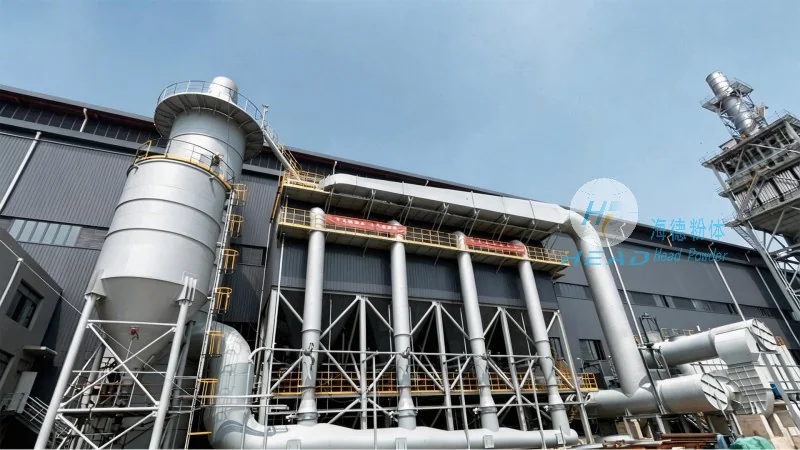
Understanding Pneumatic Conveying Fundamentals
Pneumatic conveying systems use air or gas to transport solid particles through a pipeline. The primary goal is to move materials from a source to a destination without the need for mechanical components like belts or buckets. The two main operational modes—positive pressure and negative pressure—differ in how they generate the necessary airflow and pressure differentials to move the material.
Positive Pressure Pneumatic Conveying Systems
Positive pressure systems operate by blowing air into the conveying line, creating a pressure higher than the ambient air pressure. This pressurized air pushes the coal particles through the pipeline. The system typically includes a blower or compressor at the inlet, which supplies the air, and a discharge device at the outlet to control the material release. A key advantage of positive pressure systems is their ability to handle abrasive materials and high-temperature coal without significant wear on the equipment. They are also suitable for long-distance transport, as the pressure can be maintained consistently along the pipeline. However, these systems require more robust components to withstand higher pressures and may have higher energy consumption due to the continuous operation of the blower.
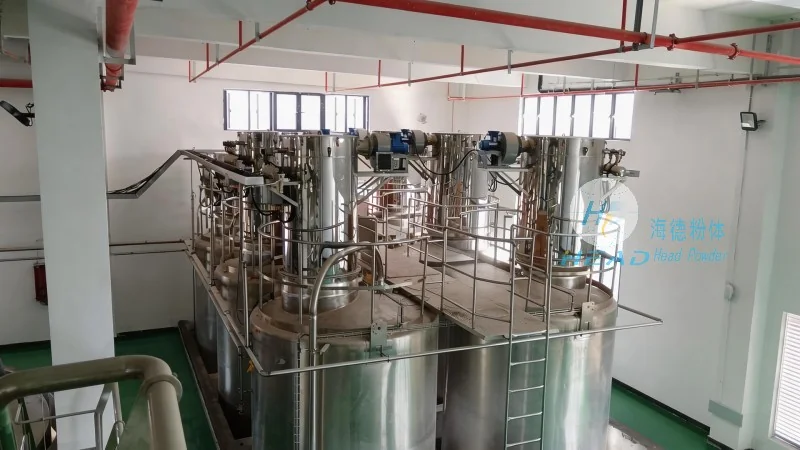
Negative Pressure Pneumatic Conveying Systems
Negative pressure systems, also known as vacuum or suction systems, operate by creating a vacuum in the conveying line, drawing the coal particles into the pipeline. The system uses a vacuum pump or fan at the outlet to create the low-pressure environment. This mode is generally more suitable for short-distance transport and handling fine or dusty materials, as the lower pressure reduces the risk of material spillage and dust emissions. Negative pressure systems are often preferred in applications where the material is sensitive to high pressure or where the environment requires minimal air leakage. However, they may have limitations in handling large or heavy coal particles due to the lower airflow velocity and potential for blockages in the pipeline.
Key Differences and Performance Metrics
When comparing positive and negative pressure systems, several factors are critical for selecting the appropriate technology. The choice depends on the specific characteristics of the coal, such as particle size, moisture content, and abrasiveness, as well as the distance and layout of the conveying system. Positive pressure systems typically offer higher conveying velocities and can handle larger particles, making them ideal for long-distance transport. In contrast, negative pressure systems are more efficient for short distances and fine materials, with lower energy consumption due to the vacuum pump's operation. The system's efficiency is also influenced by the pipeline design, including the number of bends, vertical lifts, and the use of in-line mixers or separators. Proper system design is essential to ensure smooth material flow and minimize pressure losses.
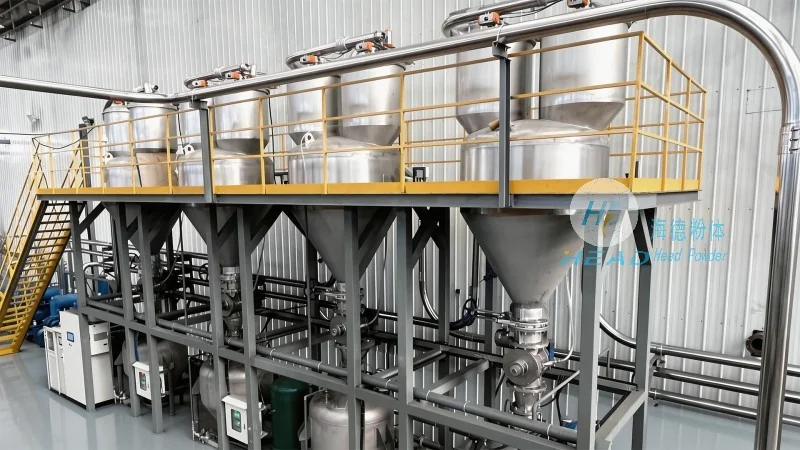
Applications and Industry Use Cases
Both positive and negative pressure pneumatic conveying systems are widely used in various industries, including coal mining, power generation, and material processing. Positive pressure systems are commonly employed in coal-fired power plants to transport coal from storage silos to boilers, where the long distances and high material volumes require reliable and high-capacity transport. They are also used in industrial facilities for transporting raw materials to processing units. Negative pressure systems are often used in applications where dust control is a priority, such as in the handling of fine coal or in environments where air quality regulations are strict. For example, in coal preparation plants, negative pressure systems may be used to transport fine coal particles from screening and washing processes to storage bins, minimizing dust generation and ensuring compliance with environmental standards.
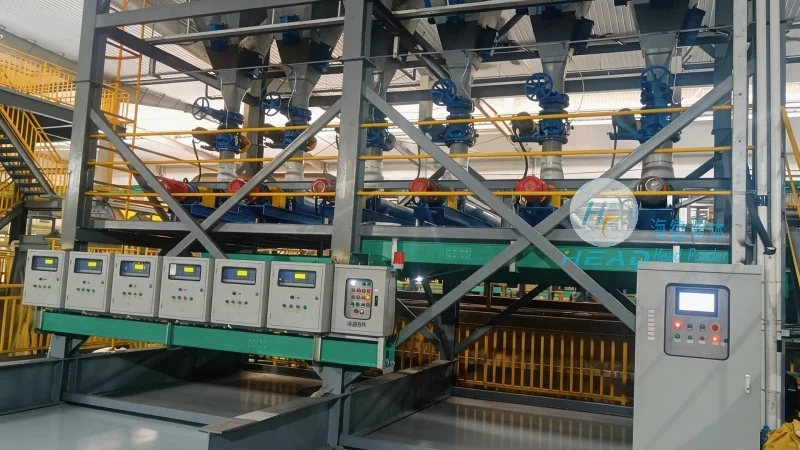
Advantages and Challenges of Each Mode
Positive pressure systems offer several advantages, including higher conveying capacity, better control over material flow, and the ability to handle abrasive and high-temperature materials. However, they come with challenges such as higher energy costs due to continuous blower operation and the need for more robust equipment to withstand high pressures. Maintenance requirements are also higher, as components like blowers and pipelines must be regularly inspected and replaced to prevent wear and tear. Negative pressure systems, on the other hand, have lower energy consumption and are more suitable for short-distance transport and fine materials. Their main challenges include the risk of blockages in the pipeline, especially with large or heavy particles, and the need for careful design to prevent dust leakage and maintain vacuum levels. The vacuum pump's efficiency and durability are critical factors in the long-term performance of negative pressure systems.
Conclusion and Recommendations
Choosing between positive and negative pressure pneumatic conveying systems depends on the specific requirements of the application, including the material characteristics, transport distance, and environmental considerations. Positive pressure systems are generally preferred for long-distance and high-capacity transport of coal particles, while negative pressure systems are more suitable for short distances and fine materials with strict dust control requirements. Proper system design, including pipeline layout, component selection, and maintenance, is essential to ensure optimal performance and efficiency. Shandong HeadPowder Engineering Co., Ltd. specializes in providing customized pneumatic conveying solutions tailored to the unique needs of each project, ensuring reliable and efficient transport of coal and other bulk materials.




