When it comes to the safe and efficient transportation of hydrogen chloride (HCl) gas, selecting the appropriate conveying method is crucial. Two primary approaches dominate the industry: negative pressure conveying and positive pressure conveying. Each method presents distinct advantages and disadvantages that must be carefully evaluated based on specific operational requirements, safety considerations, and process conditions. This article provides a comprehensive comparison of these two gas conveying techniques, highlighting their key features, benefits, and potential drawbacks.
Understanding Negative Pressure Conveying
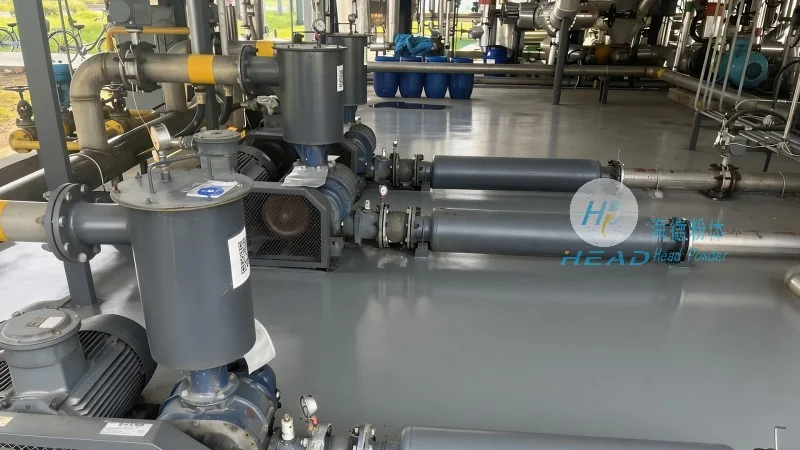
Negative pressure conveying, also known as suction conveying, operates by creating a partial vacuum at the inlet of the conveying system. This vacuum draws the HCl gas from the source into the pipeline, moving it toward the destination. The system typically includes a vacuum pump or fan that maintains the negative pressure, and the gas is transported through a pipeline network. This method is particularly effective for applications where the source is at a higher elevation than the destination, as the vacuum helps overcome gravitational resistance.
One of the primary advantages of negative pressure conveying is its ability to handle HCl gas from multiple sources or points of generation without the need for individual positive pressure systems at each source. This can simplify the overall system design and reduce equipment costs. Additionally, negative pressure systems often require less maintenance compared to positive pressure systems, as they do not involve high-pressure components or complex sealing mechanisms. The lower operating pressures also contribute to reduced energy consumption and lower equipment wear.
However, negative pressure conveying has significant limitations. The most critical drawback is the risk of backflow or reverse flow, which can occur if the vacuum is lost or if the system is not properly sealed. This can lead to uncontrolled release of HCl gas, posing severe safety hazards. Moreover, negative pressure systems are generally less efficient for long-distance or high-volume conveying, as the vacuum can diminish over distance, requiring larger and more powerful vacuum pumps. The system also tends to be more susceptible to air infiltration, which can dilute the HCl concentration and affect process efficiency.
Exploring Positive Pressure Conveying
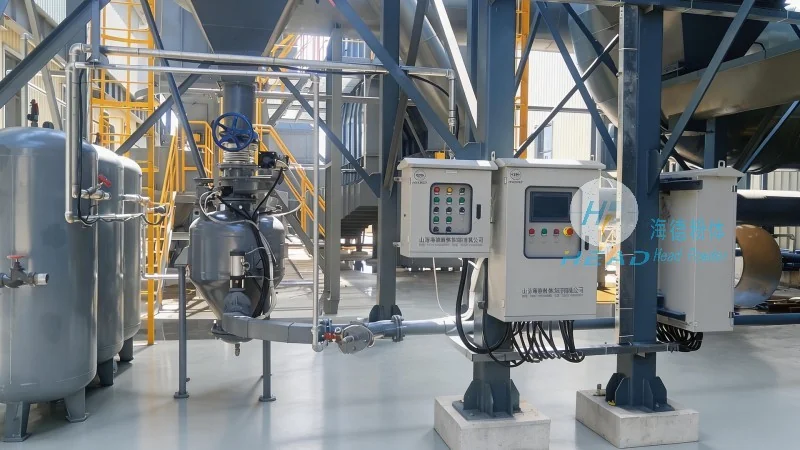
Positive pressure conveying, or pressure conveying, operates by forcing the HCl gas through the pipeline using a positive pressure source, such as a blower or compressor. The gas is pushed from the source to the destination, maintaining a pressure higher than the ambient air pressure throughout the system. This method is commonly used for applications requiring high flow rates, long distances, or when the source is at a lower elevation than the destination.
A key advantage of positive pressure conveying is its superior efficiency for long-distance and high-volume transport. The positive pressure ensures consistent gas flow, reducing the risk of backflow and maintaining a stable HCl concentration. This makes it ideal for industrial processes that demand reliable and continuous gas supply. Additionally, positive pressure systems can handle more complex pipeline configurations, including vertical lifts and multiple branch points, without significant performance degradation.
However, positive pressure conveying comes with its own set of challenges. The primary disadvantage is the higher energy consumption compared to negative pressure systems, as the blower or compressor must generate sufficient pressure to overcome pipeline resistance and elevation changes. This can increase operational costs, especially for large-scale applications. Furthermore, positive pressure systems require more robust sealing and safety measures to prevent accidental release of HCl gas, as the higher pressures increase the risk of leaks. The equipment used, such as blowers and compressors, also tends to be more complex and expensive, requiring regular maintenance to ensure optimal performance.
Key Considerations for Choosing Between Conveying Methods
When selecting between negative and positive pressure conveying for HCl gas handling, several factors must be considered. The first is the operational requirements, including the distance between the source and destination, the required flow rate, and the elevation differences. For short distances and lower flow rates, negative pressure conveying may be sufficient and cost-effective. However, for long distances, high flow rates, or when the source is at a lower elevation, positive pressure conveying is generally more suitable.
Safety is another critical consideration. Negative pressure systems are less prone to accidental release due to their lower operating pressures, but they are more vulnerable to backflow and air infiltration. Positive pressure systems, while more efficient, require stringent safety measures to prevent leaks and ensure proper containment. The choice also depends on the specific HCl concentration and purity requirements of the process, as both methods can affect the gas quality.
Economic factors, including initial investment and operational costs, play a significant role. Negative pressure systems typically have lower capital costs due to simpler equipment, but their maintenance and energy costs may be higher over time. Positive pressure systems have higher initial costs due to the need for more robust equipment, but their lower energy consumption and higher efficiency can offset these costs in the long run.
Conclusion
In conclusion, both negative pressure and positive pressure conveying methods have their place in the handling of hydrogen chloride gas. The optimal choice depends on a careful evaluation of operational needs, safety requirements, and economic considerations. Negative pressure conveying is advantageous for short distances and lower flow rates, offering simplicity and lower initial costs. Positive pressure conveying excels in long-distance, high-volume applications, providing efficiency and reliability. By understanding the strengths and weaknesses of each method, industrial operators can select the most appropriate conveying system to ensure safe, efficient, and cost-effective HCl gas transportation.




