Shandong HeadPowder Engineering Co., Ltd., a leading manufacturer based in Shandong, China, specializes in the design and supply of advanced pneumatic conveying systems tailored for the rice industry. Pneumatic rice conveying is a critical technology in modern grain handling, offering efficient and hygienic methods to transport rice from storage to processing facilities. This article explores the various types of pneumatic rice conveying systems, their key characteristics, and the diverse applications where they are employed.
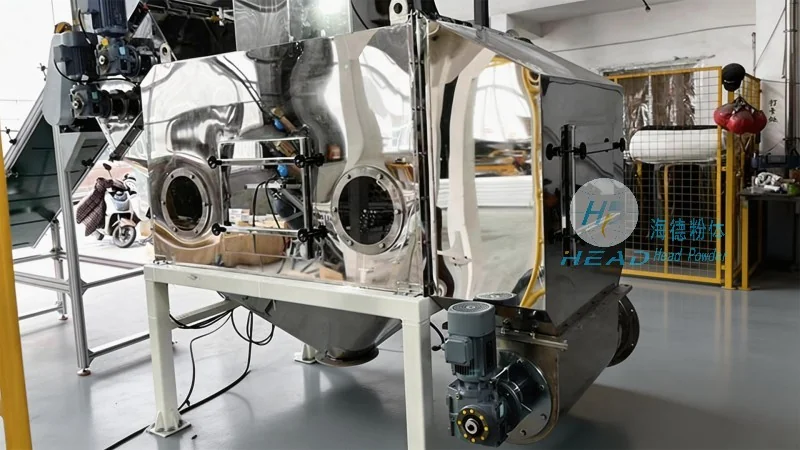
Pneumatic conveying systems utilize air or gas to move bulk materials like rice through a pipeline network. The primary advantage of this method is its ability to handle delicate grains without causing breakage or contamination, which is essential for maintaining the quality of rice products. Unlike traditional mechanical conveyors, pneumatic systems can operate in a closed environment, reducing dust exposure and improving workplace safety. These systems are particularly suitable for high-volume rice handling operations, where efficiency and product integrity are paramount.
Types of Pneumatic Rice Conveying Systems
There are two main categories of pneumatic rice conveying systems: pressure and vacuum systems. Each type has distinct operating principles and is suited to different operational requirements.
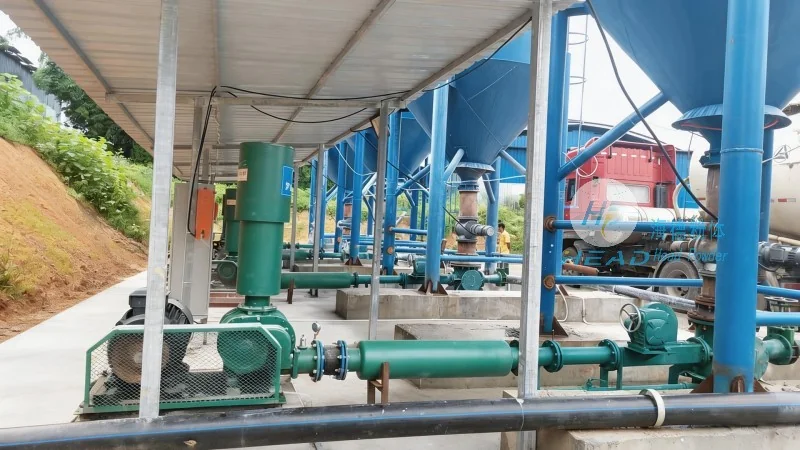
1. **Pressure Conveying Systems**: In pressure systems, air is compressed and forced through the conveying line, pushing the rice forward. This method is ideal for short to medium-distance transport and is commonly used in on-site storage and processing plants. The high pressure ensures consistent flow rates and can handle a wide range of particle sizes. Pressure systems are often equipped with positive displacement blowers or rotary lobe compressors to maintain the necessary air pressure.
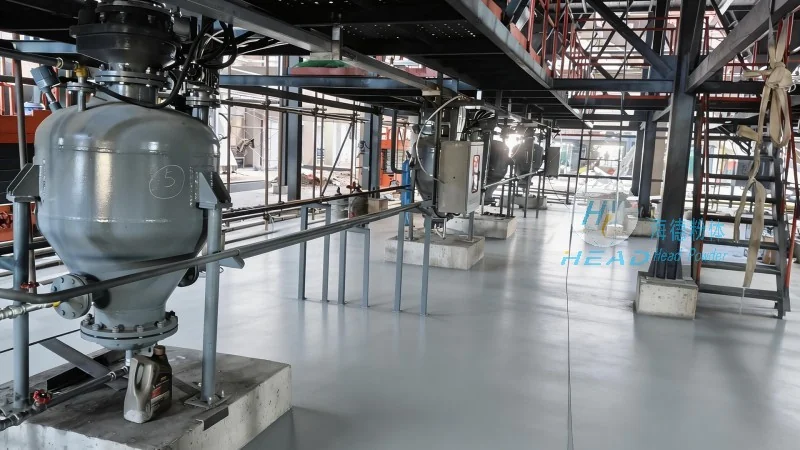
2. **Vacuum Conveying Systems**: Vacuum systems use a vacuum pump to create a negative pressure that draws rice into the pipeline. This approach is well-suited for longer distances and can handle materials that are more prone to bridging or clogging. Vacuum conveyors are typically used in applications where the rice needs to be transported from multiple points to a central processing unit. They are also advantageous for handling fine or dusty rice particles, as the vacuum helps to keep the material in suspension.
Key Features of Pneumatic Rice Conveying Systems
Several key features make pneumatic rice conveying systems superior to traditional methods. First, they provide a hygienic and dust-free environment, which is crucial for food-grade products. The enclosed pipeline design prevents contamination from external sources and minimizes the risk of pest infestation. Second, these systems offer high flexibility in layout, allowing for complex routing around obstacles and existing structures. This adaptability is particularly beneficial in existing facilities where space is limited.
Third, pneumatic conveying systems are energy-efficient compared to mechanical alternatives. The use of air as the conveying medium reduces the need for heavy machinery and maintenance. Additionally, the systems can be easily integrated with other processing equipment, such as cleaning and sorting machines, creating a seamless workflow. The ability to control flow rates and pressure allows operators to optimize the conveying process for maximum efficiency and minimal energy consumption.
Applications of Pneumatic Rice Conveying Systems
Pneumatic rice conveying systems are widely used across various stages of rice processing and handling. In storage facilities, they are employed to transfer rice from silos to processing lines, ensuring a continuous supply of raw material. During processing, these systems can transport rice to cleaning, polishing, and milling units, maintaining the grain's quality throughout the operation.
In the milling industry, pneumatic conveying is essential for moving rice from the milling machine to packaging equipment. The systems help to keep the milling environment clean and free from dust, which can affect the final product's appearance and quality. Additionally, vacuum systems are often used in the packaging stage to transfer rice into bags or containers, ensuring accurate and consistent filling.
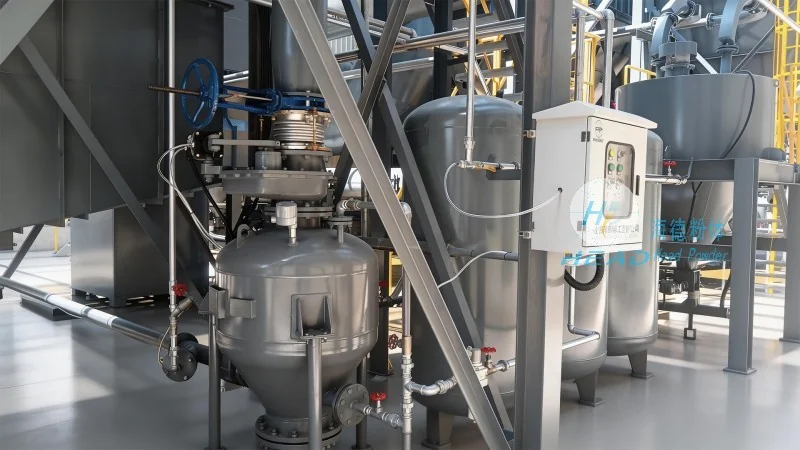
Another significant application is in the distribution of rice to retail outlets. Pneumatic conveying systems can efficiently transport large quantities of rice from distribution centers to warehouses or directly to supermarkets, reducing handling time and minimizing product damage. This is particularly important for maintaining the freshness and quality of rice, which is sensitive to temperature and moisture.
Benefits and Considerations for Implementing Pneumatic Rice Conveying
Implementing a pneumatic rice conveying system offers numerous benefits, including improved product quality, enhanced safety, and operational efficiency. However, there are also considerations to keep in mind. The initial investment for such systems can be higher compared to mechanical conveyors, but the long-term savings in maintenance and energy costs often outweigh the upfront expense. Additionally, the system's performance depends on proper air pressure management and regular maintenance to prevent clogging or system failure.
Shandong HeadPowder Engineering Co., Ltd. provides comprehensive solutions for pneumatic rice conveying, including custom-designed systems tailored to specific operational needs. Their expertise in material handling and grain processing ensures that clients receive efficient and reliable equipment that meets industry standards. By leveraging advanced technology and years of experience, HeadPowder helps rice processing facilities optimize their operations and maintain the highest quality standards for their products.




