For industrial applications involving the handling of mica powder, the choice of pneumatic conveying system is critical to ensure efficiency, safety, and product integrity. Mica powder, known for its unique properties such as high thermal stability and excellent dielectric strength, requires specialized handling methods to prevent agglomeration and maintain particle size distribution. This article explores the different types of mica powder pneumatic conveying systems, their key characteristics, and the typical application ranges where they are most effective.
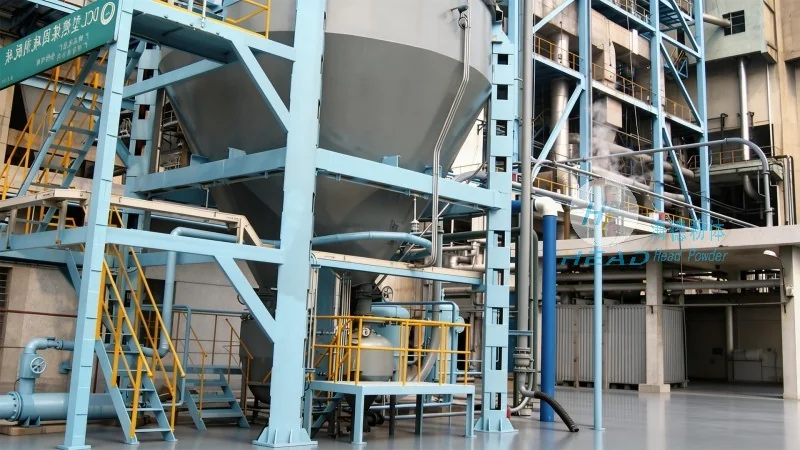
Overview of Mica Powder Pneumatic Conveying Systems
Mica powder pneumatic conveying systems are designed to transport fine mica particles through a pipeline using air or other gases as the conveying medium. These systems are widely used in industries like ceramics, electronics, and construction, where the quality of the mica powder is paramount. The primary goal of such systems is to move the powder from a storage or processing point to a processing unit without causing damage to the particles or the system components.
Types of Mica Powder Pneumatic Conveying Systems
There are several types of pneumatic conveying systems, each with distinct characteristics and suitability for different mica powder applications. The most common types include:
1. Dilute Phase Pneumatic Conveying
Dilute phase systems are the most widely used for mica powder handling due to their efficiency and low pressure requirements. In this system, the mica powder is suspended in a high-velocity air stream, which transports the particles through the pipeline. The air-to-particle ratio is typically high, ensuring that the particles remain in suspension and do not settle out. This type of system is suitable for short to medium distance transport and is ideal for applications where the powder needs to be mixed with other materials or processed in a continuous flow.
2. Dense Phase Pneumatic Conveying
Dense phase systems, also known as low velocity conveying, operate at lower air velocities and higher particle concentrations. The mica powder is conveyed in a slurry-like state, where the particles are closely packed and move in a more controlled manner. This system is particularly useful for transporting mica powder over longer distances or when the powder is sensitive to high velocities, as it reduces the risk of particle attrition and degradation. Dense phase systems are often preferred in applications where the powder needs to be delivered to a specific location with minimal dispersion.
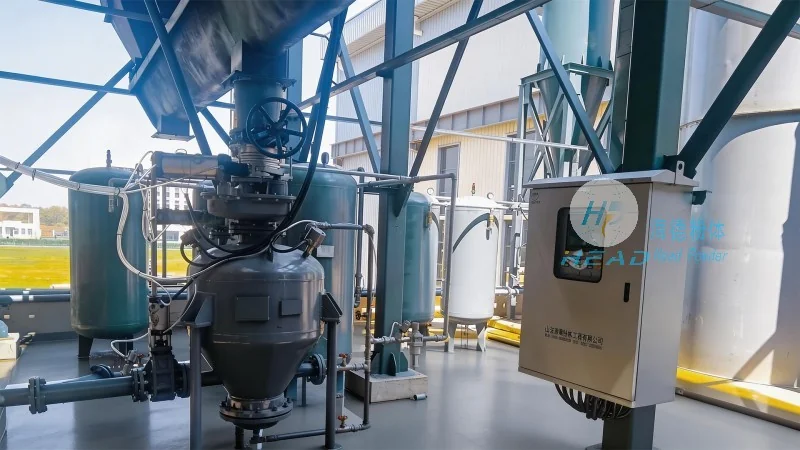
3. Pressure-Driven Pneumatic Conveying
Pressure-driven systems use compressed air or gas to create a pressure differential that propels the mica powder through the pipeline. These systems are typically used for short to medium distance transport and are suitable for applications where the powder needs to be conveyed from a storage silo to a processing unit. The pressure is maintained by a compressor or a pressure vessel, and the system can handle both dilute and dense phase conveying depending on the operating conditions.
4. Vacuum-Driven Pneumatic Conveying
Vacuum-driven systems operate by creating a vacuum at the receiving end of the pipeline, which draws the mica powder from the source. This type of system is commonly used for material recovery or for transporting mica powder from a processing unit back to a storage area. Vacuum-driven systems are particularly effective for handling fine powders, as the low pressure differential helps to prevent particle agglomeration and ensures a smooth flow.
Key Characteristics of Mica Powder Pneumatic Conveying Systems
Each type of mica powder pneumatic conveying system has specific characteristics that make it suitable for particular applications. The key characteristics include:
1. Particle Size and Shape
The size and shape of the mica powder particles significantly affect the performance of the pneumatic conveying system. Fine particles, typically less than 100 microns, are more prone to agglomeration and require higher air velocities or more controlled conveying conditions. Coarser particles, on the other hand, can be conveyed more easily at lower velocities. The system design must account for the particle size distribution to ensure efficient transport and prevent blockages.
2. Moisture Content
Mica powder often contains a certain amount of moisture, which can affect its flow properties and the performance of the pneumatic conveying system. High moisture content can lead to caking and agglomeration, making it difficult to convey the powder. Therefore, the system may include drying or dehumidification steps to maintain the optimal moisture level for conveying.
3. Air Velocity and Pressure
The air velocity and pressure in the conveying system are critical parameters that determine the efficiency and effectiveness of the system. Higher air velocities are required for dilute phase systems to keep the particles in suspension, while lower velocities are suitable for dense phase systems to maintain particle integrity. The pressure and velocity must be carefully controlled to prevent particle attrition, system wear, and energy inefficiency.
4. System Materials and Components
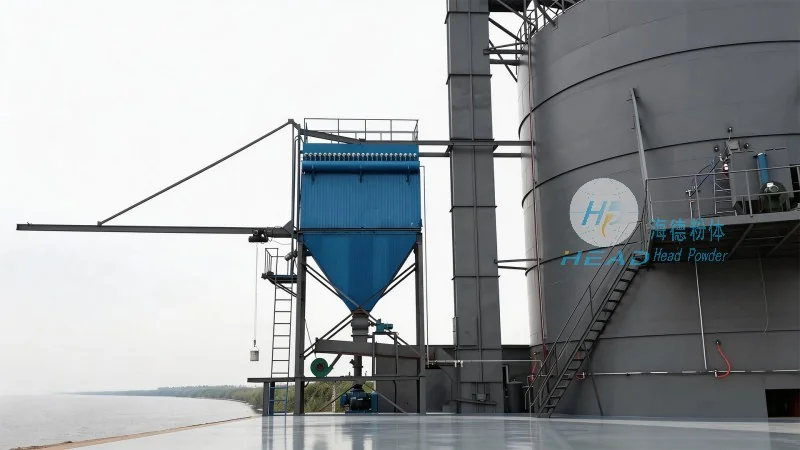
The materials used in the construction of the pneumatic conveying system are important for handling mica powder, as the powder can be abrasive and corrosive. Stainless steel or other corrosion-resistant materials are commonly used for the pipeline and components to ensure durability and prevent contamination. The system may also include special components such as filters, cyclones, and separators to handle the fine mica powder and maintain product quality.
Application Ranges of Mica Powder Pneumatic Conveying Systems
Mica powder pneumatic conveying systems are used in a wide range of applications across various industries. The application ranges depend on the type of system, the properties of the mica powder, and the specific requirements of the process. Some of the common applications include:
1. Ceramic Manufacturing
In the ceramic industry, mica powder is used as a raw material for glazes and frits. Pneumatic conveying systems are used to transport the mica powder from storage silos to the mixing and processing units. The systems ensure that the powder is delivered in a consistent and controlled manner, maintaining the quality of the ceramic products.
2. Electronics and Electrical Industries
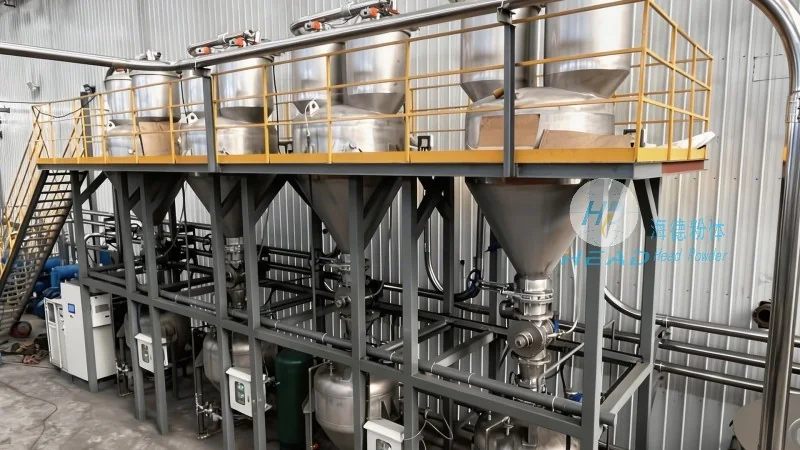
Mica powder is used in the production of electrical insulators, capacitors, and other electronic components due to its excellent dielectric properties. Pneumatic conveying systems are used to transport the mica powder to the manufacturing lines, where it is mixed with other materials and processed into the final products. The systems help to maintain the purity and particle size of the mica powder, which is crucial for the performance of the electronic components.
3. Construction and Building Materials
Mica powder is used as a filler in construction materials such as paints, coatings, and plasters. Pneumatic conveying systems are used to transport the mica powder from storage to the production facilities, where it is mixed with other ingredients to form the final products. The systems ensure that the powder is delivered in a uniform manner, improving the quality and durability of the construction materials.
4. Coating and Paint Industries
In the coating and paint industry, mica powder is used as a pigment and a filler to enhance the properties of the coatings. Pneumatic conveying systems are used to transport the mica powder to the coating lines, where it is mixed with other components and applied to the substrates. The systems help to maintain the particle size and distribution of the mica powder, which affects the appearance and performance of the coatings.
Conclusion
Mica powder pneumatic conveying systems are essential for the efficient and safe handling of mica powder in various industrial applications. The choice of system type, characteristics, and application range depends on the specific requirements of the process, including the particle size, moisture content, and distance of transport. By selecting the appropriate system and operating conditions, industries can ensure the quality and integrity of the mica powder while optimizing the overall process efficiency. As a leading provider of mica powder handling solutions, Shandong HeadPowder Engineering Co., Ltd. specializes in designing and manufacturing customized pneumatic conveying systems tailored to the unique needs of each application. With years of experience in the industry, the company ensures that its systems meet the highest standards of performance and reliability, helping clients achieve their production goals while maintaining product quality.




