For industrial applications involving the efficient handling of corn flour, understanding the components of a pneumatic conveying system is crucial. A well-designed system ensures optimal performance, reliability, and cost-effectiveness in material transport. This article explores the key components that make up a corn flour pneumatic conveying system, providing insights into the technology and its practical implementation.
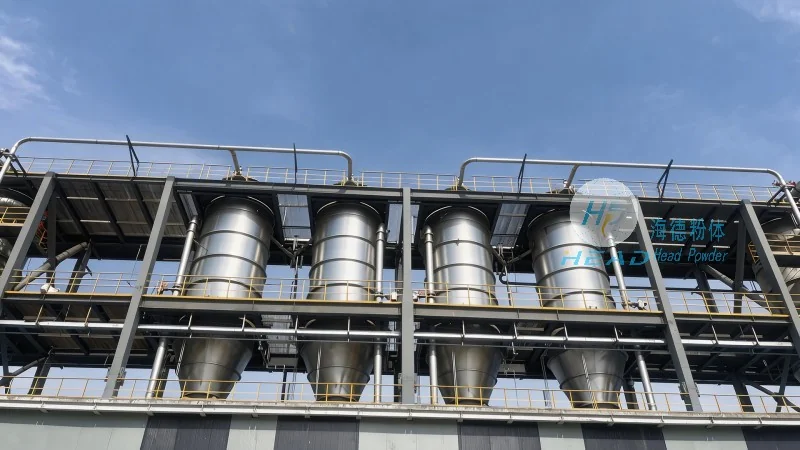
Core Components of a Corn Flour Pneumatic Conveying System
The foundation of any pneumatic conveying system for corn flour lies in its core components, each playing a vital role in the overall operation. These components work in harmony to ensure the safe and efficient transport of the material from the source to the destination. The primary components include the material feed system, the conveying line, the air supply system, and the control mechanisms.
Material Feed System
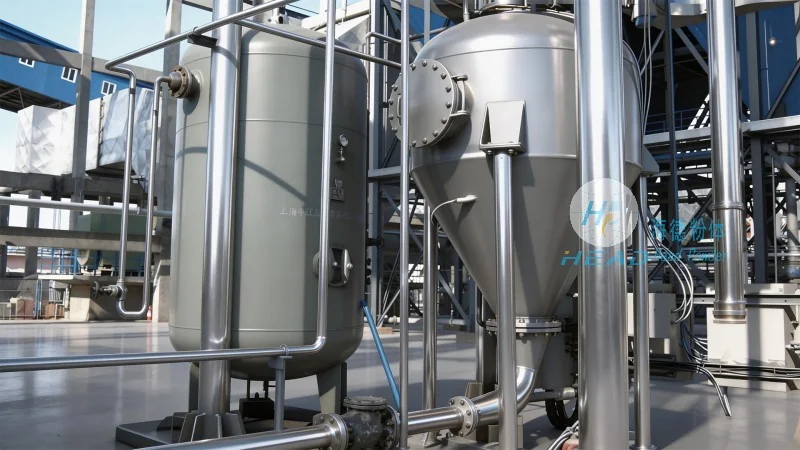
The material feed system is the initial stage where corn flour is introduced into the conveying process. This component is designed to handle the bulk material and feed it into the conveying line at a controlled rate. For corn flour, which can be fine and potentially dusty, specialized feeders such as rotary valves or screw feeders are commonly used. These devices ensure a consistent flow of material, preventing blockages and maintaining system efficiency. The feed system also includes hoppers or storage bins that hold the corn flour before it is conveyed, ensuring a steady supply. Proper design of the feed system is critical to avoid material degradation or loss due to improper handling.
Conveying Line and Transport Medium
The conveying line is the central part of the system where the corn flour is transported through the air. This line can be either a positive pressure or negative pressure system, depending on the specific application requirements. Positive pressure systems use a blower or compressor to push air and material through the line, while negative pressure systems use a vacuum to draw material into the line. For corn flour, which is a fine powder, positive pressure systems are often preferred as they provide better control over the material flow and reduce the risk of clogging. The conveying line is typically made of materials resistant to corrosion and abrasion, such as stainless steel or special plastics, to withstand the abrasive nature of the corn flour. The air velocity within the line is carefully controlled to ensure the material is suspended and transported efficiently without causing excessive wear or degradation.
Air Supply System
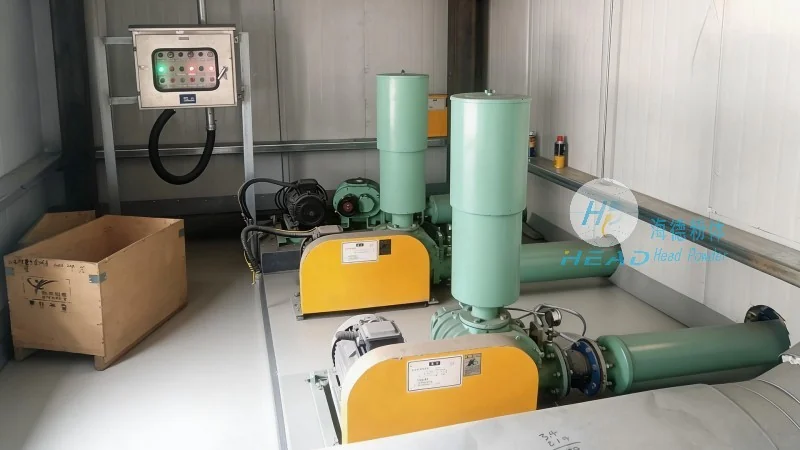
The air supply system provides the necessary pressure and volume of air to move the corn flour through the conveying line. This system includes a blower or compressor, which generates the required air pressure, and a filter system to ensure the air is clean and free from contaminants. The blower or compressor is selected based on the system's capacity and the specific characteristics of the corn flour, such as its density and flowability. The filter system is crucial to prevent dust and particles from entering the air supply, which could damage the equipment or affect the quality of the conveyed material. Regular maintenance of the air supply system is essential to maintain optimal performance and prevent issues like air leaks or pressure drops.
Control and Monitoring Systems
Control and monitoring systems are vital for the safe and efficient operation of a corn flour pneumatic conveying system. These systems include sensors, controllers, and alarms that monitor key parameters such as pressure, flow rate, and material level. The sensors provide real-time data on the system's performance, allowing operators to make adjustments as needed. The controllers manage the operation of the feed system, air supply, and conveying line, ensuring they work in sync to maintain optimal conditions. Alarms are integrated to alert operators of any issues, such as pressure drops or material blockages, allowing for quick intervention to prevent system downtime. Modern control systems often include automation features that can adjust the system parameters based on real-time data, improving efficiency and reducing the risk of human error.
Material Handling and Storage Components
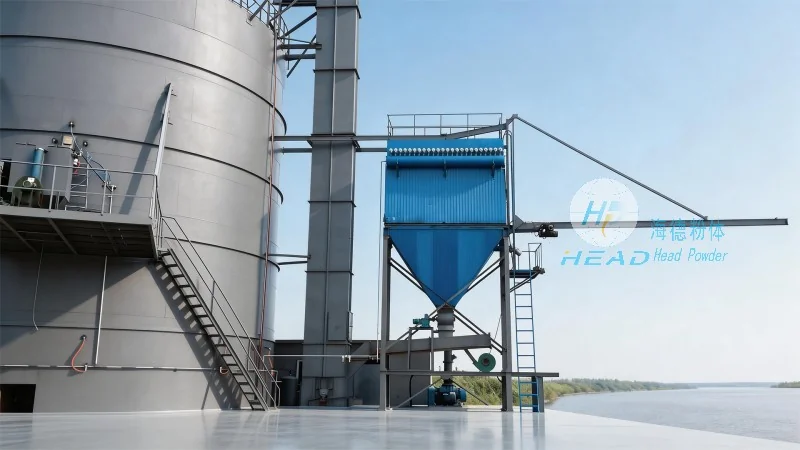
Beyond the core conveying components, additional parts are often included to enhance the overall system's functionality. These include material hoppers, storage bins, and discharge equipment. The hoppers and storage bins are used to store the corn flour before it is fed into the system, ensuring a consistent supply. The discharge equipment, such as rotary valves or pneumatic actuators, controls the release of the material from the conveying line to the final destination, such as a silo or processing unit. These components are designed to handle the fine nature of corn flour, preventing dust accumulation and ensuring smooth discharge. Proper maintenance of these components is essential to maintain system efficiency and prevent material buildup or clogging.
Conclusion
In summary, a corn flour pneumatic conveying system comprises several key components that work together to ensure efficient material transport. The material feed system, conveying line, air supply system, and control mechanisms are all critical to the system's performance. Proper design and maintenance of these components are essential to achieve optimal results in industrial applications. By understanding the components and their functions, industries can select and operate a system that meets their specific needs, ensuring reliable and cost-effective corn flour handling.




