When it comes to efficiently transporting bulk materials like wood ash, pneumatic conveying systems offer a reliable and effective solution. As a leading provider in the field, Shandong HeadPowder Engineering Co., Ltd. specializes in designing and implementing advanced powder handling technologies that optimize material movement while ensuring operational efficiency. This article delves into the fundamental aspects of wood ash pneumatic conveying, exploring how these systems operate and the key components that contribute to their functionality.
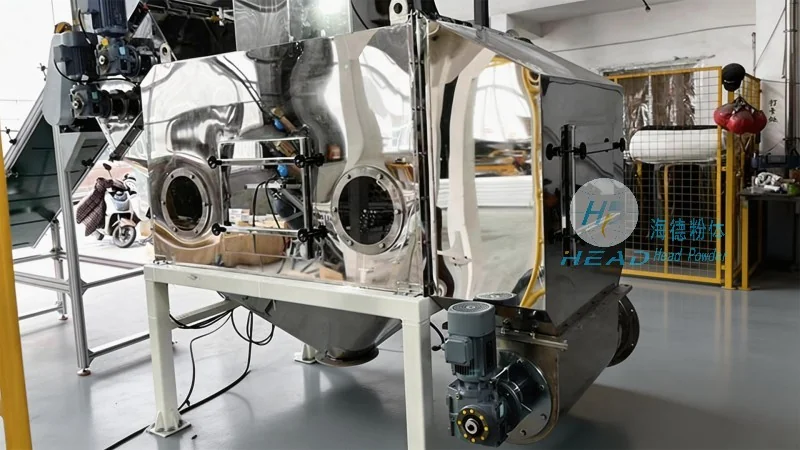
The Core Components of Pneumatic Conveying Systems
Pneumatic conveying systems consist of several critical components that work in tandem to transport powders such as wood ash. The primary elements include a material feed hopper, a conveying line (often made of metal or flexible tubing), a fan or blower to generate the necessary air pressure, and a discharge outlet. The feed hopper holds the wood ash, allowing it to be introduced into the system at a controlled rate. The fan or blower creates a pressure differential, drawing air and the wood ash particles into the conveying line. As the mixture travels through the line, the air propels the particles forward, while the system’s design ensures minimal particle degradation and loss. The discharge outlet then delivers the wood ash to its final destination, such as a storage silo or processing unit.
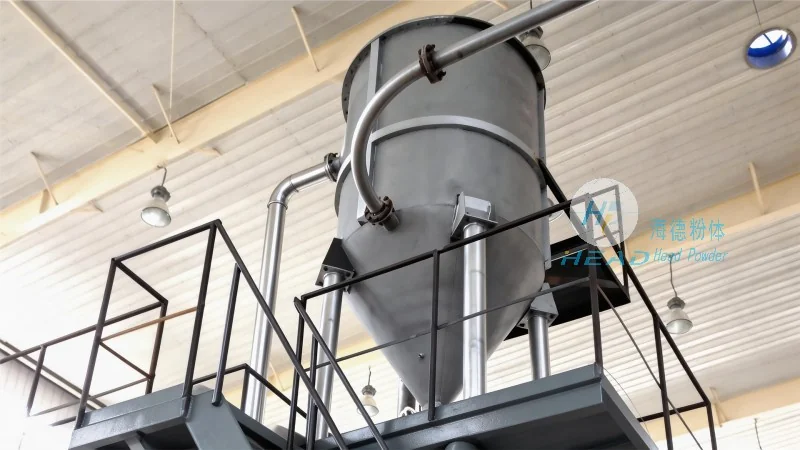
How Pneumatic Conveying Works: The Process Breakdown
The operation of a pneumatic conveying system for wood ash involves a sequence of steps that ensure smooth and consistent material transport. Initially, the wood ash is stored in a hopper, which is equipped with a feeder mechanism to regulate the flow rate. This feeder may be a rotary valve or a screw conveyor, depending on the system’s design and the material’s characteristics. Once the wood ash is fed into the conveying line, the fan or blower activates, creating a vacuum or pressure within the system. The air flow then carries the wood ash particles along the line, with the velocity and pressure maintained at optimal levels to prevent clogging or particle separation. As the mixture reaches the discharge point, the air is separated from the wood ash, often through a cyclone separator or a filter, and the wood ash is collected in the receiving container. This process is typically automated, allowing for continuous operation and minimizing human intervention.
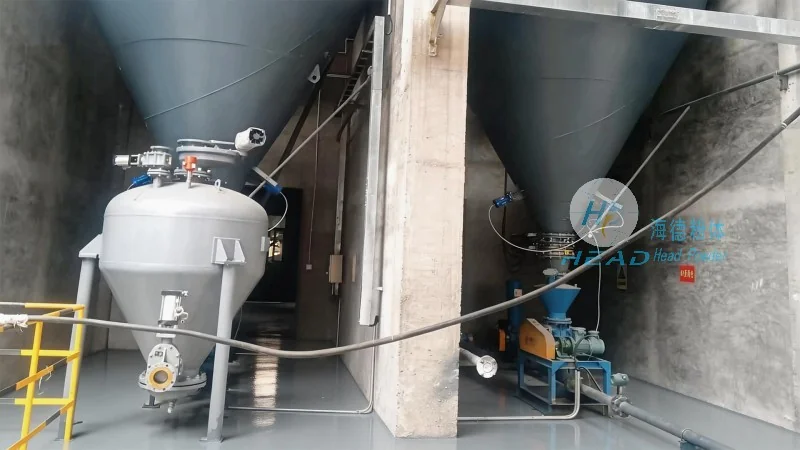
Advantages of Using Pneumatic Conveying for Wood Ash
Implementing pneumatic conveying systems for wood ash offers numerous advantages over traditional methods like bucket elevators or belt conveyors. One of the key benefits is the ability to transport wood ash in a dust-free environment, which enhances workplace safety and reduces the risk of respiratory issues for operators. Additionally, pneumatic systems are highly flexible, allowing for vertical, horizontal, or even inclined transport paths, making them suitable for complex layouts in industrial facilities. The enclosed nature of the system also prevents material contamination, which is crucial when handling wood ash that may contain residual chemicals or moisture. Furthermore, these systems can handle a wide range of wood ash particle sizes and moisture contents, ensuring consistent performance regardless of the material’s characteristics. Another significant advantage is the energy efficiency of pneumatic conveying, as the system can operate with lower energy consumption compared to mechanical conveyors, leading to cost savings over time.
Applications of Wood Ash Pneumatic Conveying
Wood ash, a byproduct of biomass combustion, is commonly used in various industrial applications, including cement production, soil amendment, and as a raw material in the manufacturing of building materials. Pneumatic conveying systems are particularly well-suited for these applications due to their ability to handle bulk quantities of wood ash efficiently and safely. In cement plants, for example, wood ash is often used as a supplementary cementitious material, and pneumatic conveying ensures that it is delivered to the mixing process without any loss or contamination. Similarly, in agricultural settings, wood ash can be applied to soil to improve its fertility, and pneumatic systems facilitate the distribution of wood ash over large areas with precision. The versatility of pneumatic conveying makes it an ideal choice for industries that require consistent and reliable transport of wood ash, ensuring that the material reaches its intended destination in optimal condition.
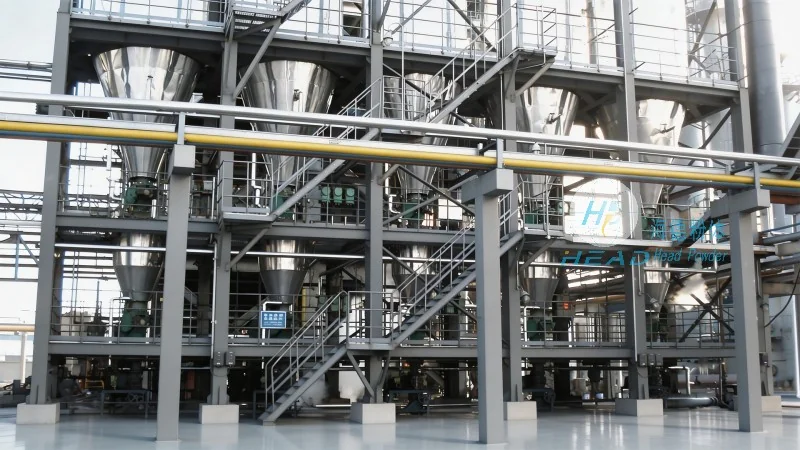
HeadPowder: Your Partner in Advanced Powder Handling Solutions
Shandong HeadPowder Engineering Co., Ltd., based in China, is a trusted name in the design and manufacturing of pneumatic conveying systems for various bulk materials, including wood ash. With years of experience and a commitment to innovation, HeadPowder provides customized solutions tailored to the specific needs of each client. The company’s team of experts works closely with customers to understand their operational requirements, material characteristics, and space constraints, ensuring that the final system is both efficient and cost-effective. HeadPowder’s products are built with high-quality materials and advanced technology, meeting international standards for safety and performance. Whether it’s a new installation or an upgrade to an existing system, HeadPowder offers comprehensive support, including installation, maintenance, and technical assistance. By choosing HeadPowder, industries can enhance their material handling processes, reduce operational costs, and improve overall productivity.




