HeadPowder, a prominent enterprise based in Shandong, China, is dedicated to delivering innovative material handling solutions. The company specializes in the development and implementation of pneumatic conveying systems, which are essential for efficiently transporting bulk materials over short to medium distances. This article delves into the specifics of aluminum foil pneumatic conveying, a specialized application within the broader field of pneumatic conveying technology, and explains the core principles that enable these systems to function effectively.
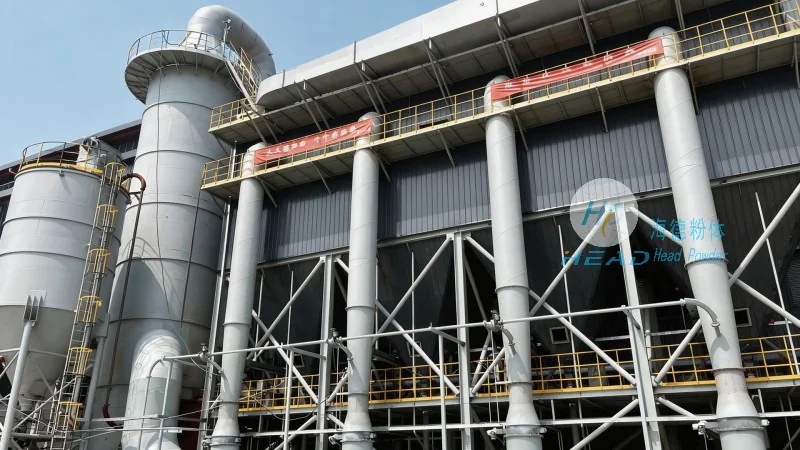
Understanding Pneumatic Conveying Systems
Pneumatic conveying systems utilize air or gas to transport bulk materials through a network of pipes. These systems are widely used in industries such as food processing, pharmaceuticals, and manufacturing due to their ability to handle a variety of materials, including powders, granules, and flakes. The fundamental principle behind pneumatic conveying is the creation of a pressure differential or airflow that propels the material from the source to the destination. There are two primary types of pneumatic conveying systems: suction (or vacuum) systems and pressure systems.
Key Challenges in Aluminum Foil Conveying
Aluminum foil, with its unique properties, presents specific challenges for conventional material handling methods. These challenges include low bulk density, which can lead to inefficient air flow and reduced conveying efficiency. Additionally, aluminum foil is often brittle and prone to static electricity, which can cause material buildup and blockages in traditional systems. To address these issues, specialized pneumatic conveying systems are required. HeadPowder's expertise lies in designing and manufacturing systems that are tailored to the unique characteristics of aluminum foil, ensuring reliable and efficient transport.
The Working Principle of Aluminum Foil Pneumatic Conveying
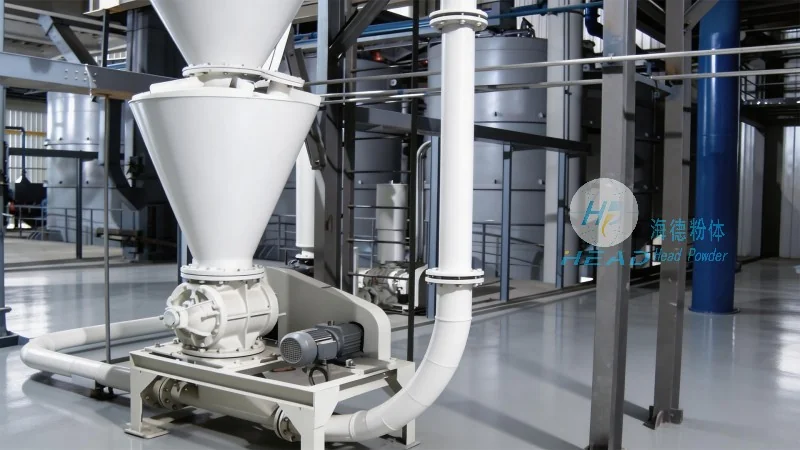
HeadPowder's aluminum foil pneumatic conveying systems operate based on the principles of air dynamics and material handling. The process typically begins with the material being loaded into a hopper or feeder. From there, the material is introduced into a pipeline where it is mixed with high-velocity air. The air flow, generated by a blower or fan, creates a pressure differential that propels the aluminum foil particles through the system. The system may include components such as a rotary valve, which controls the flow of material into the pipeline, and a separator, which separates the material from the air at the discharge point.
System Components and Design Considerations
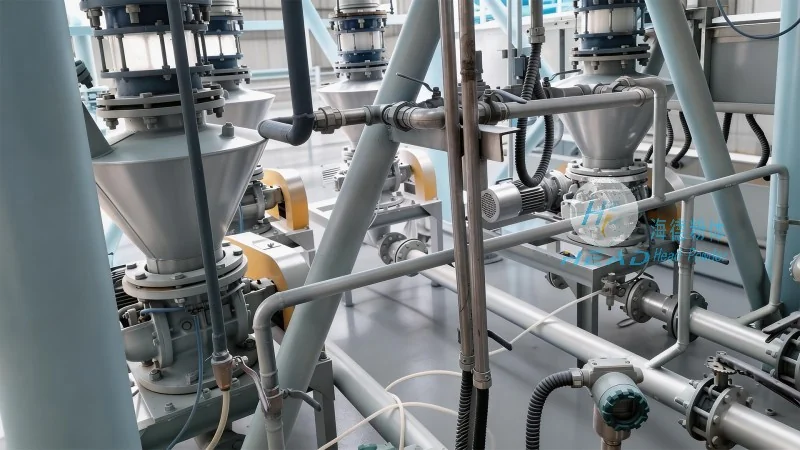
The effectiveness of an aluminum foil pneumatic conveying system depends on several key components and design choices. The blower or fan is responsible for generating the necessary airflow and pressure. The choice of blower type (e.g., centrifugal or positive displacement) is critical and depends on the specific requirements of the application. The pipeline design is also crucial, as it must be constructed from materials that are compatible with aluminum foil and resistant to corrosion. HeadPowder's engineers carefully select materials such as stainless steel or specialized polymers to ensure durability and prevent material degradation. Additionally, the system includes a filter or cyclone to separate the aluminum foil from the air, preventing contamination and ensuring the material remains in a clean state.
Advantages of Aluminum Foil Pneumatic Conveying
Implementing a pneumatic conveying system for aluminum foil offers several advantages over traditional methods. One of the primary benefits is the ability to transport materials in a closed system, which reduces dust emissions and improves workplace safety. This is particularly important for aluminum foil, as it can be a source of fine particles that may be hazardous if inhaled. Another advantage is the reduced risk of material contamination, as the system is enclosed and does not require direct human contact with the material. Furthermore, pneumatic conveying systems are generally more energy-efficient than other methods, such as belt conveyors or bucket elevators, especially for short to medium distance applications.
Applications and Industries
Aluminum foil pneumatic conveying systems are used in a variety of industries where aluminum foil is processed or handled. These include food and beverage packaging, pharmaceutical manufacturing, and industrial coating applications. In the food industry, for example, aluminum foil is used to package snacks and other products, and pneumatic conveying systems are used to transport the foil from storage to packaging lines. In the pharmaceutical industry, aluminum foil is used to package tablets and capsules, and the systems ensure that the material is handled in a sterile and controlled environment. HeadPowder's systems are designed to meet the specific requirements of these industries, ensuring compliance with regulatory standards and maintaining product quality.
Conclusion
Aluminum foil pneumatic conveying is a specialized and effective method for transporting aluminum foil and other similar materials. HeadPowder, with its expertise in material handling solutions, provides high-quality systems that are tailored to the unique challenges of aluminum foil. By understanding the fundamental principles of pneumatic conveying and incorporating specialized components, these systems can efficiently and reliably transport materials while maintaining product integrity and safety. For businesses in need of efficient aluminum foil handling solutions, HeadPowder offers a reliable and innovative approach to material transport.




