White clay, a key raw material in various industrial processes, requires efficient and reliable handling systems to ensure smooth production workflows. The principle of pneumatic conveying equipment for white clay is centered on utilizing air as the primary medium to transport the material from one location to another. This method offers several advantages over traditional mechanical conveying systems, including reduced equipment wear, lower maintenance costs, and the ability to handle materials that are dusty or have a tendency to clump. As a leading provider of engineering solutions, Shandong HeadPowder Engineering Co., Ltd. specializes in designing and manufacturing pneumatic conveying systems tailored to the specific needs of industries that rely on white clay.
Core Components and Working Mechanism
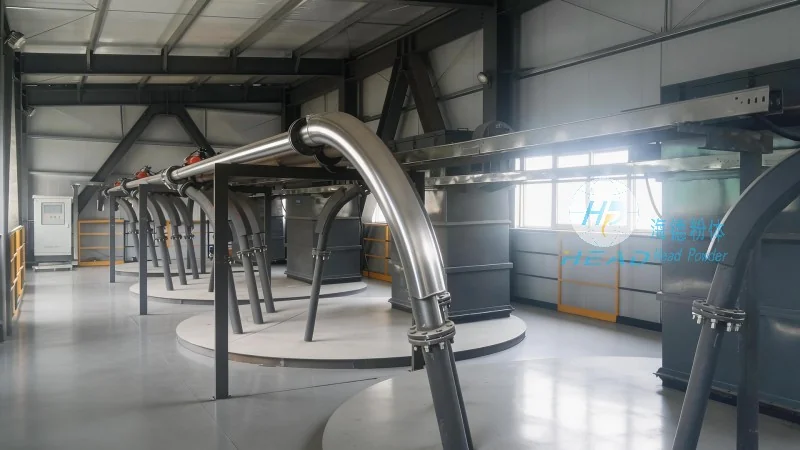
The pneumatic conveying system for white clay typically consists of several key components, each playing a crucial role in the overall operation. The primary components include a hopper for material storage, a feeder to control the flow rate, a conveying line (usually a pipeline), and a receiver or discharge point where the material is deposited. The system operates by first feeding the white clay into the hopper, where it is then transferred to the feeder. The feeder regulates the amount of material that enters the conveying line, ensuring a consistent flow.
Once the material is in the conveying line, compressed air is introduced, creating a flow that propels the white clay particles through the pipeline. The air velocity within the line is carefully controlled to maintain the material in a suspended state, preventing it from settling or causing blockages. The conveying line may include bends, expansions, or other features designed to accommodate changes in direction or elevation, ensuring the material reaches its destination without issues.
Advantages of Pneumatic Conveying for White Clay
Compared to other conveying methods, pneumatic systems offer distinct benefits for handling white clay. One of the most significant advantages is the ability to transport the material over long distances without the need for multiple transfer points or intermediate storage. This reduces the risk of material degradation or contamination, which is critical for white clay used in applications such as papermaking, ceramics, or pharmaceuticals. Additionally, pneumatic conveying minimizes the risk of dust exposure, as the material is contained within the pipeline, protecting both the environment and personnel.
Another key benefit is the reduced wear and tear on equipment. Unlike mechanical systems that rely on moving parts like belts or screws, pneumatic conveying uses air to move the material, eliminating the need for high-maintenance components. This leads to lower operational costs and increased system reliability. Furthermore, the system can be easily scaled to accommodate varying production volumes, making it adaptable to different industrial needs.
Application Scenarios and Industrial Use
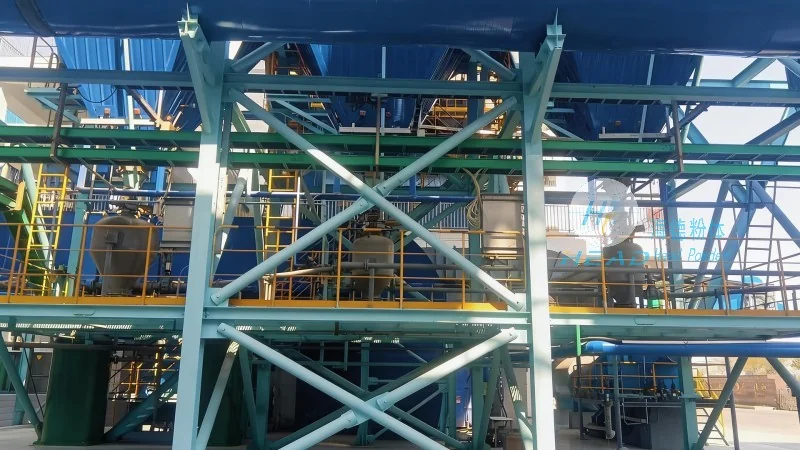
The principle of pneumatic conveying is widely applied in industries that rely on white clay as a raw material. In the paper industry, for example, white clay is used as a filler to improve the whiteness and opacity of paper. Pneumatic conveying systems are used to transport the white clay from storage silos to the paper mill, ensuring a consistent supply of material for the production process. Similarly, in the ceramics industry, white clay is a fundamental component in the production of tiles, sanitaryware, and other ceramic products. The ability to transport the material efficiently and without contamination is essential for maintaining product quality.
In the pharmaceutical and food industries, where white clay is used as a filler or processing aid, the hygienic design of pneumatic conveying systems is particularly important. The enclosed pipeline system prevents cross-contamination and ensures that the material remains in a clean state, meeting stringent regulatory requirements. This makes pneumatic conveying an ideal solution for industries where product purity is paramount.
System Design Considerations for White Clay Handling
When designing a pneumatic conveying system for white clay, several factors must be considered to ensure optimal performance and efficiency. The first consideration is the material's properties, such as its particle size, density, and moisture content. These characteristics affect the air velocity required to keep the material suspended and the overall system pressure. For example, finer white clay particles may require higher air velocities to prevent settling, while larger particles may need lower velocities to avoid excessive wear on the pipeline.
Another critical factor is the system's capacity and the distance over which the material needs to be conveyed. The choice between positive pressure and negative pressure systems depends on the distance and the nature of the material. Positive pressure systems, where air is blown into the conveying line, are suitable for short to medium distances and are commonly used for white clay applications. Negative pressure systems, where air is drawn out of the line, are better for longer distances but may require more powerful vacuum pumps.
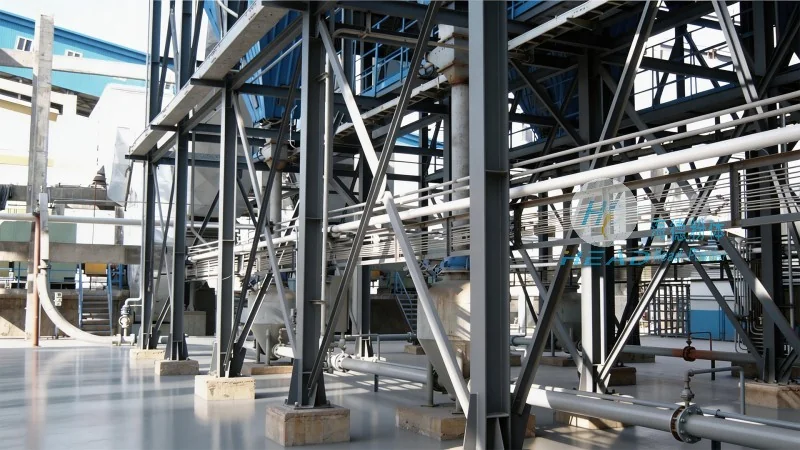
Material handling efficiency is also influenced by the design of the hopper and feeder. The hopper must be designed to prevent material bridging or caking, which can disrupt the flow. The feeder, such as a rotary valve or a screw feeder, must be capable of controlling the flow rate accurately, ensuring a consistent supply of white clay to the conveying line. Proper sealing of the hopper and feeder is essential to prevent air leaks, which can reduce system efficiency and increase energy consumption.
Maintenance and Operational Tips
Proper maintenance is crucial to ensure the longevity and efficiency of a pneumatic conveying system for white clay. Regular inspection of the conveying line for any signs of wear or damage is essential. The pipeline should be checked for cracks, corrosion, or blockages that could impede the flow of material or air. The air compressor and filtration system should also be maintained regularly to ensure consistent air pressure and quality.
Filtering the air is an important step to prevent dust accumulation in the system. The filters should be replaced or cleaned as needed to maintain optimal performance. Additionally, monitoring the system's pressure and flow rates can help identify any issues early, allowing for timely maintenance and preventing costly downtime. By following these operational tips, the system can operate efficiently and reliably for extended periods.
Conclusion
The principle of pneumatic conveying equipment for white clay represents a sophisticated and effective method for material handling in various industrial applications. By leveraging air as the primary transport medium, these systems offer numerous advantages over traditional mechanical conveying methods, including reduced wear, lower maintenance costs, and improved material quality. The core components and working mechanism of the system, combined with careful design considerations and regular maintenance, ensure that white clay can be transported efficiently and safely. As industries continue to demand higher efficiency and reliability in their material handling processes, pneumatic conveying systems remain a vital technology for handling white clay and other similar materials.




