Wheat bran, a byproduct of wheat milling, is widely used in the food and feed industries. Efficient and reliable transportation of wheat bran is crucial for maintaining product quality and operational efficiency in processing facilities. Pneumatic conveying equipment offers a solution to this challenge by utilizing air to move bulk materials like wheat bran through a system of pipes and components. This article explores the concept of wheat bran pneumatic conveying equipment, its design principles, and the key factors that contribute to its effective operation.
Understanding Pneumatic Conveying Systems
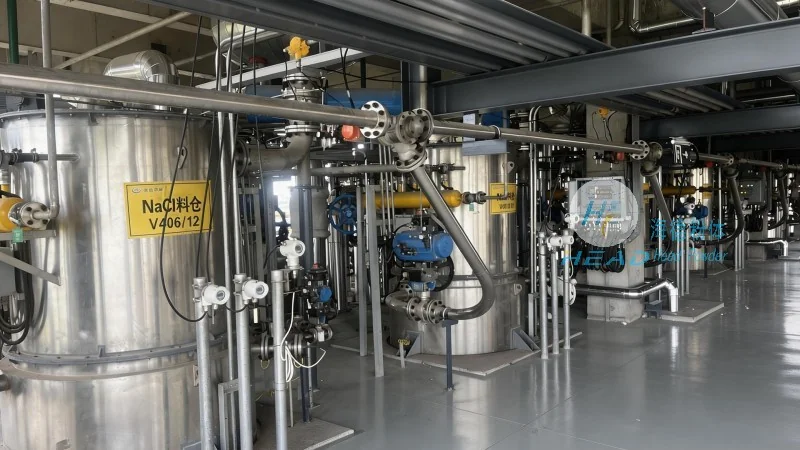
Pneumatic conveying systems are mechanical devices that transport bulk materials by suspending them in a stream of air. These systems are classified into two main types: dilute-phase and dense-phase. Dilute-phase systems use high velocities of air to keep the material suspended, while dense-phase systems use lower velocities and higher air pressure to move material in a more compact form. For wheat bran, which is a light and relatively fine material, dilute-phase pneumatic conveying is often preferred due to its ability to handle high material flow rates with minimal pressure drop. The system typically consists of a hopper, a conveyor line, a separation unit, and a dust collector. The hopper stores the wheat bran, and the conveyor line transports it from the source to the destination, such as a storage silo or a processing unit. The separation unit separates the air from the material, and the dust collector captures any fine particles to prevent air pollution and maintain air quality.
Design Principles of Wheat Bran Pneumatic Conveying Equipment
The design of a wheat bran pneumatic conveying system is based on several key principles to ensure optimal performance and durability. First, the system must be able to handle the specific properties of wheat bran, including its particle size, moisture content, and bulk density. Wheat bran particles are typically small and irregularly shaped, which can affect the flow characteristics and the pressure drop in the system. The design must account for these factors to prevent blockages and ensure smooth material transport. Second, the system must be able to maintain consistent air flow and pressure to achieve the desired material velocity. The air velocity must be high enough to keep the wheat bran suspended but not so high as to cause excessive wear on the equipment components. Third, the system must be designed for easy maintenance and cleaning to prevent the accumulation of material and the growth of bacteria or mold. The components, such as the hopper and the conveyor line, should be made of materials that are resistant to corrosion and wear, such as stainless steel or high-quality plastic. Fourth, the system must be energy-efficient to reduce operational costs. The use of variable frequency drives (VFDs) can help regulate the air flow and pressure, thereby reducing energy consumption. Additionally, the system should be designed to minimize the pressure drop, which can improve the overall efficiency of the conveying process.
Key Components of a Wheat Bran Pneumatic Conveying System
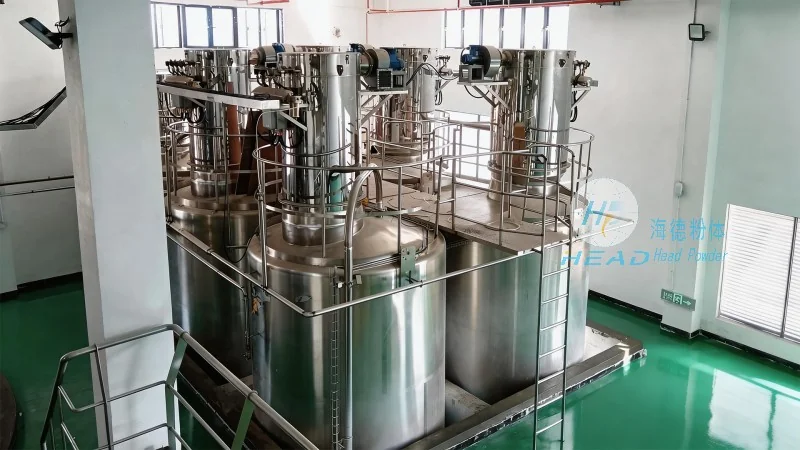
A wheat bran pneumatic conveying system consists of several key components that work together to achieve efficient material transport. The first component is the hopper, which is used to store the wheat bran and feed it into the system. The hopper is typically made of stainless steel or other corrosion-resistant materials and is equipped with a feeding mechanism, such as a rotary valve or a screw feeder, to control the flow of material. The second component is the conveyor line, which is made of high-quality plastic or metal pipes and is designed to withstand the pressure and temperature of the conveying process. The conveyor line is usually equipped with a series of bends and elbows to guide the material through the system. The third component is the separation unit, which is used to separate the air from the material. The separation unit typically consists of a cyclone or a bag filter, which uses centrifugal force or filtration to separate the material from the air. The fourth component is the dust collector, which is used to capture any fine particles that are not separated by the separation unit. The dust collector is typically made of stainless steel and is equipped with a filter bag or a cartridge to collect the dust. The fifth component is the air compressor, which provides the necessary air pressure to move the material through the system. The air compressor is typically a positive displacement type, such as a rotary lobe or a screw compressor, and is equipped with a pressure regulator to maintain consistent pressure.
Benefits of Using Wheat Bran Pneumatic Conveying Equipment
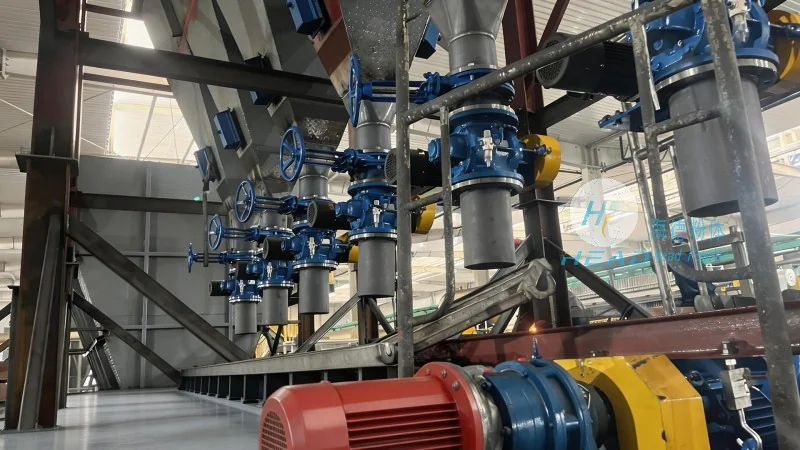
Wheat bran pneumatic conveying equipment offers several benefits over traditional conveying methods, such as belt conveyors or bucket elevators. First, the system is more hygienic and cleaner, as it does not require direct contact between the material and the equipment. This is important for wheat bran, which is used in food and feed applications where hygiene is critical. Second, the system is more efficient, as it can transport material over long distances with minimal pressure drop. This reduces the energy consumption and operational costs of the system. Third, the system is more flexible, as it can be easily adjusted to handle different material flow rates and types. This makes it suitable for a wide range of applications, from small-scale processing facilities to large industrial plants. Fourth, the system is more reliable, as it has fewer moving parts and is less prone to breakdowns. This reduces the downtime and maintenance costs of the system. Finally, the system is more environmentally friendly, as it does not generate dust or noise pollution. This makes it suitable for use in urban areas or near residential areas.
Conclusion
Wheat bran pneumatic conveying equipment is an essential component of modern wheat milling and processing facilities. It provides an efficient, reliable, and hygienic method of transporting wheat bran from the source to the destination. The design of the system is based on several key principles, including the handling of the material's properties, the maintenance of consistent air flow and pressure, and the use of corrosion-resistant materials. The system consists of several key components, including the hopper, the conveyor line, the separation unit, the dust collector, and the air compressor. The benefits of using this equipment include improved hygiene, increased efficiency, greater flexibility, and reduced environmental impact. For companies operating in the food and feed industries, investing in a high-quality wheat bran pneumatic conveying system is a wise decision that can improve operational efficiency and product quality.




