For industries dealing with sensitive materials, the choice of conveying equipment is critical. A nitrogen-protected pneumatic conveying system offers a solution that ensures material integrity while maintaining operational efficiency. This article delves into what such a system entails and the underlying design principles that make it effective.
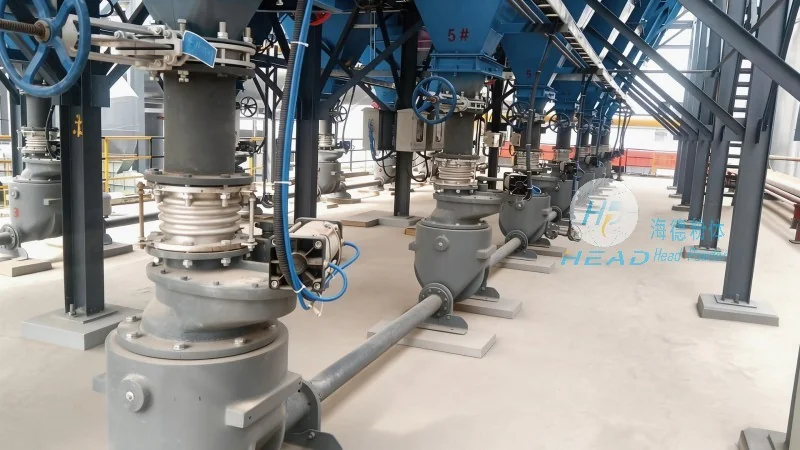
Understanding the Core Components of a Nitrogen-Protected Pneumatic Conveying System
The heart of a nitrogen-protected pneumatic conveying system lies in its ability to create a sealed, inert environment. This is achieved by using nitrogen gas as the primary conveying medium, which replaces or supplements air. The system typically consists of several key components, including a hopper for material storage, a feeder to control the flow of material, a conveying line where the material is transported, and a receiver for the final discharge. Each component is designed to work in harmony, ensuring that the material remains protected from external contaminants and atmospheric exposure.
The Role of Nitrogen in Protecting Sensitive Materials
Nitrogen, an inert gas, plays a pivotal role in maintaining the purity of the conveyed material. By displacing oxygen and other atmospheric gases, nitrogen creates an environment that is free from oxidation, moisture, and other elements that could degrade the material. This is particularly important for materials like pharmaceutical powders, food products, or chemicals that are sensitive to air exposure. The use of nitrogen not only preserves the quality of the material but also enhances safety by reducing the risk of fire or explosion in environments where flammable substances are handled.
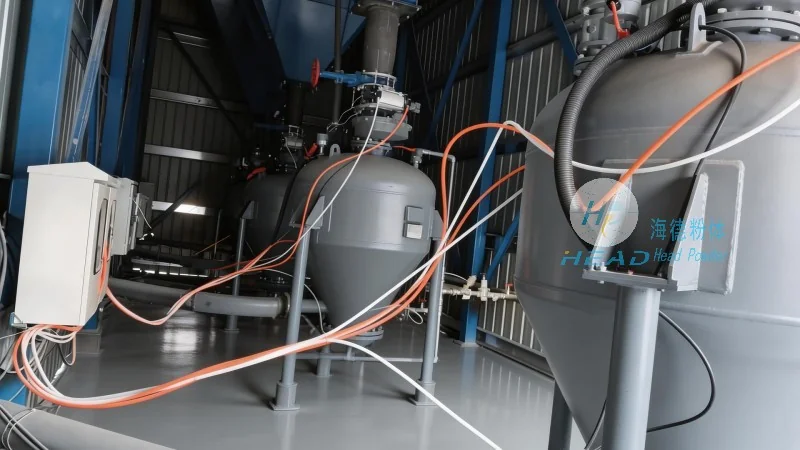
Design Principles for Efficient and Reliable Operation
The design of a nitrogen-protected pneumatic conveying system is guided by several key principles to ensure optimal performance. First, the system must maintain a consistent pressure and flow rate to prevent material blockages or uneven distribution. This is achieved through the use of pressure regulators and flow meters that monitor and adjust the nitrogen flow as needed. Second, the system is engineered to minimize particle degradation, which can occur due to friction or impact during transport. This is accomplished by using smooth, low-friction conveying lines and gentle feeding mechanisms. Third, the system incorporates safety features such as pressure relief valves and gas detection systems to prevent over-pressurization and ensure operator safety.
How Shandong HeadPowder Engineering Co., Ltd. Implements These Principles
Shandong HeadPowder Engineering Co., Ltd., a leading manufacturer in the field, specializes in designing and manufacturing nitrogen-protected pneumatic conveying systems tailored to the specific needs of their clients. The company’s expertise lies in integrating advanced engineering principles with practical application, ensuring that each system is both efficient and reliable. By leveraging their experience in material handling and process engineering, HeadPowder provides solutions that meet the stringent requirements of industries such as pharmaceuticals, food processing, and chemical manufacturing.
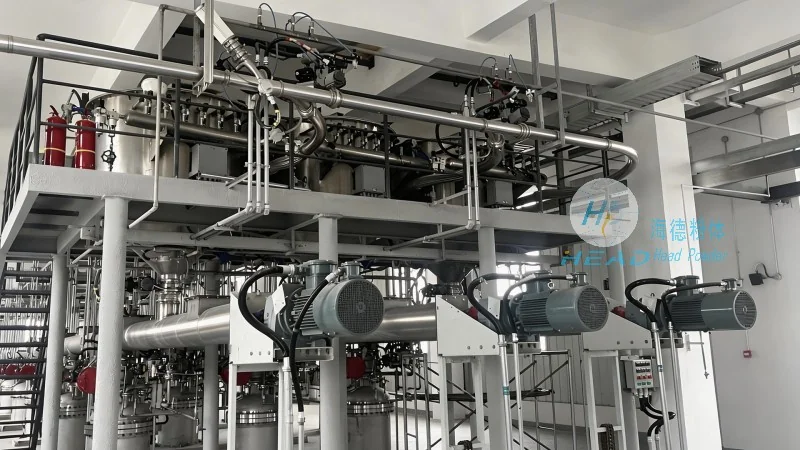
Key Advantages of Nitrogen-Protected Pneumatic Conveying Systems
Implementing a nitrogen-protected pneumatic conveying system offers several advantages over traditional air-based systems. The primary benefit is the preservation of material quality, which is crucial for industries where product purity directly impacts customer satisfaction and regulatory compliance. Additionally, the system reduces the risk of cross-contamination, as the sealed environment prevents the introduction of foreign particles. Another advantage is the enhanced safety profile, as nitrogen is non-flammable and non-explosive, making it ideal for handling hazardous materials. Finally, the system can improve operational efficiency by reducing downtime caused by material degradation or blockages, leading to cost savings and increased productivity.
Conclusion: The Future of Material Handling with Nitrogen Protection
As industries continue to demand higher standards of material quality and safety, nitrogen-protected pneumatic conveying systems have become an indispensable tool. By understanding the design principles and benefits of such systems, businesses can make informed decisions about their material handling infrastructure. With companies like Shandong HeadPowder Engineering Co., Ltd. leading the way in innovation and implementation, the future of efficient and reliable material transport is bright. The integration of advanced engineering and practical application ensures that these systems will continue to evolve, meeting the ever-changing needs of modern industries.




