Rapeseed powder conveying is a specialized process used in the handling and transportation of rapeseed meal or other similar fine powders. This technology is crucial for industries involved in oilseed processing, where efficient and reliable powder movement is essential for maintaining production efficiency and product quality. The design principles behind rapeseed powder conveying systems are centered on addressing the unique challenges posed by fine powders, such as high dust generation, static electricity, and the need for gentle handling to prevent agglomeration or degradation of the material.
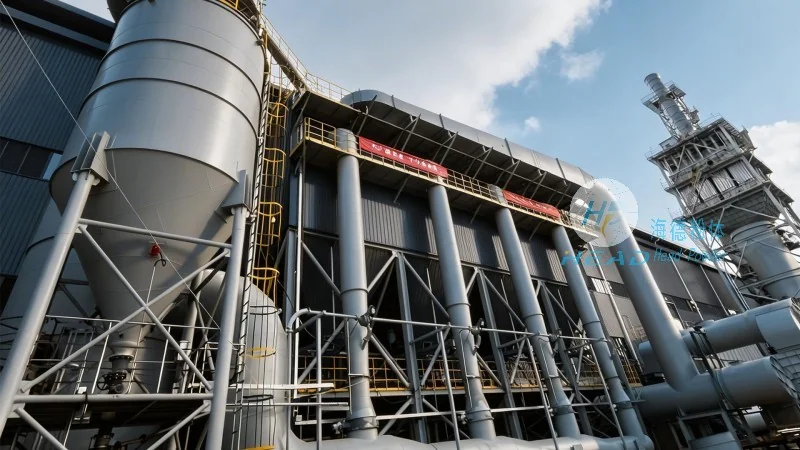
Understanding Rapeseed Powder Conveying Systems
At the core of rapeseed powder conveying is the need to move fine particles like rapeseed meal from one location to another within a processing facility. These systems are typically integrated into larger oilseed processing lines, where they play a vital role in connecting various stages of production, including grinding, sieving, and packaging. The primary goal is to achieve seamless, low-dust, and energy-efficient transfer of the powder, ensuring that the material remains in its optimal condition throughout the process.
Key Design Principles for Efficient Conveying
The design of rapeseed powder conveying systems adheres to several critical principles to ensure optimal performance. First, the system must minimize the generation of dust and airborne particles, which is achieved through the use of enclosed conveying lines, proper sealing, and appropriate material selection for components that come into contact with the powder. Second, the design considers the potential for static electricity buildup, which can cause powder to cling to surfaces or create hazards. Anti-static measures, such as grounding and the use of conductive materials, are integrated into the system to mitigate these risks.
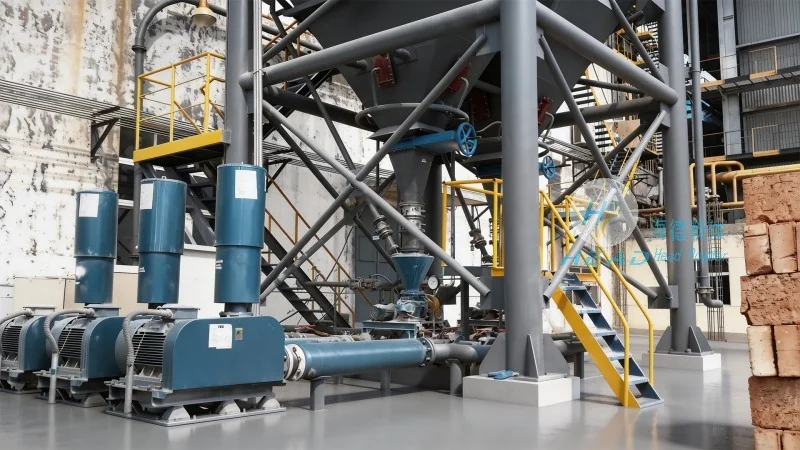
Third, the conveying method must be gentle enough to prevent the agglomeration or breakdown of the rapeseed powder. This is particularly important for maintaining the particle size distribution and quality of the final product. Different conveying technologies, such as pneumatic conveying (both positive and negative pressure), mechanical screw conveyors, and bucket elevators, are evaluated based on their suitability for handling fine powders without causing damage. The choice of technology depends on factors like the material's properties, the required conveying distance, and the desired flow rate.
Components and Technology in Rapeseed Powder Conveying
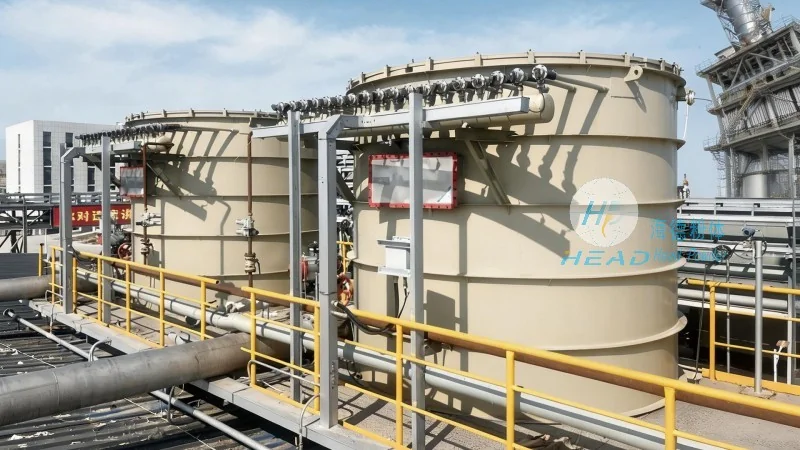
A typical rapeseed powder conveying system, as designed by Shandong HeadPowder Engineering Co., Ltd., consists of several key components. The feed hopper is designed to store and feed the powder into the conveying line, often equipped with a rotary valve or feeder to control the flow rate. The conveying line itself may be made of stainless steel or other corrosion-resistant materials to withstand the abrasive nature of the powder and to facilitate easy cleaning. For pneumatic conveying systems, the line includes a blower or vacuum pump to create the necessary pressure or suction for material movement. Additionally, the system may incorporate filters and dust collectors to capture any particles that escape, ensuring compliance with environmental regulations and maintaining a clean working environment.
Benefits of Properly Designed Conveying Systems
Implementing an effectively designed rapeseed powder conveying system offers numerous benefits for industrial operations. By reducing dust and airborne contamination, the system enhances workplace safety and improves air quality. It also helps in maintaining product purity, as minimal exposure to external elements prevents contamination or degradation of the rapeseed meal. Furthermore, efficient conveying reduces energy consumption and operational costs by minimizing the need for manual handling and reducing downtime caused by material blockages or system failures. The gentle handling of the powder preserves its quality, leading to higher-grade final products and increased customer satisfaction.
Conclusion
In summary, rapeseed powder conveying is a critical aspect of modern oilseed processing, and its design principles are tailored to address the unique challenges of handling fine powders. By focusing on dust control, static management, and gentle material handling, these systems ensure efficient and reliable operation. The components and technologies used in such systems are carefully selected to meet the specific requirements of rapeseed processing, ultimately contributing to improved productivity, product quality, and operational efficiency. For companies in the oilseed industry, investing in a well-designed rapeseed powder conveying system is essential for maintaining competitiveness and meeting the demands of a high-quality production process.




