Graphite electrode powder conveying is a critical process in the manufacturing and handling of graphite electrodes, which are essential components in electric arc furnaces and other industrial applications. The efficient and reliable transport of graphite powder from storage to processing equipment is vital for maintaining production efficiency and product quality. This article explores the fundamental aspects of graphite electrode powder conveying systems, including their design principles and key components.
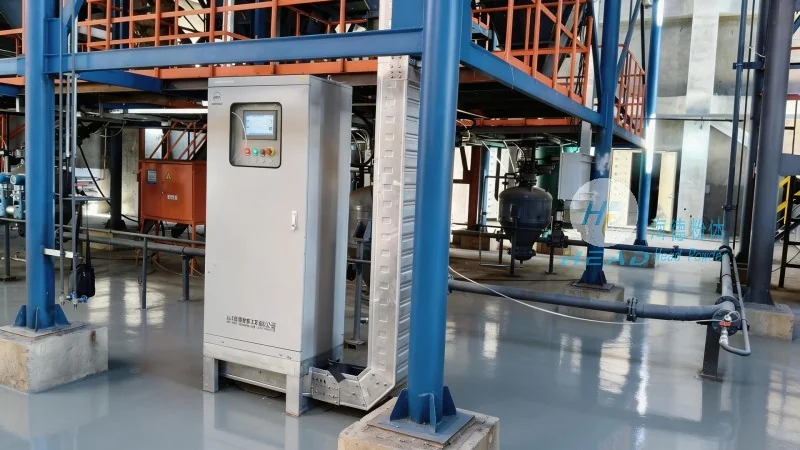
About HeadPowder: Your Expert in Graphite Processing Solutions
HeadPowder, a leading provider of specialized equipment for the graphite industry, has extensive experience in designing and manufacturing high-performance powder conveying systems. With a focus on precision engineering and customer-centric solutions, HeadPowder's systems are tailored to meet the unique demands of graphite electrode production. The company is headquartered in Shandong, China, and serves clients globally with innovative and reliable equipment.
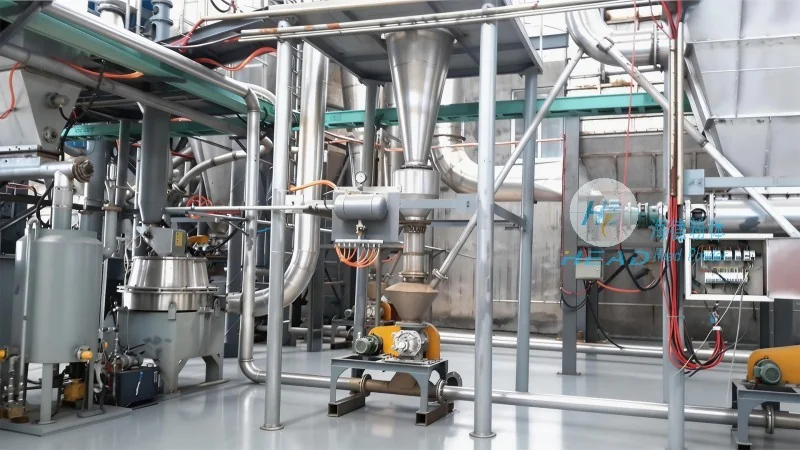
Design Principles of Graphite Electrode Powder Conveying Systems
The design of a graphite electrode powder conveying system involves several key principles to ensure optimal performance, safety, and efficiency. These principles include material handling considerations, system integration, and operational reliability. The system must be capable of handling the abrasive and conductive nature of graphite powder while minimizing dust generation and ensuring consistent flow rates. Key design elements include the selection of appropriate conveying methods (such as pneumatic or mechanical systems), the use of specialized components like rotary valves, and the implementation of dust control measures.
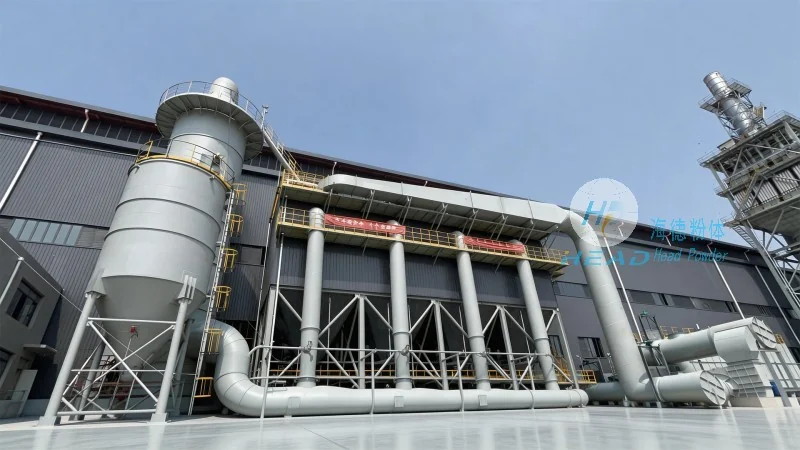
Key Components and Their Functions in Powder Conveying
A typical graphite electrode powder conveying system consists of several interconnected components, each playing a crucial role in the overall operation. The primary components include a storage hopper, a feeder (often a rotary valve or screw feeder), a conveying line (either pneumatic or mechanical), and a discharge hopper or processing unit. The storage hopper is designed to hold the graphite powder and maintain a consistent level, while the feeder regulates the flow rate to the conveying system. The conveying line transports the powder from the storage area to the processing equipment, and the discharge hopper collects the powder for further use. Each component is engineered to withstand the abrasive properties of graphite and ensure long-term durability.
How the Conveying Process Works: From Storage to Processing
The operation of a graphite electrode powder conveying system typically begins with the graphite powder being stored in a large hopper. The feeder then controls the amount of powder released into the conveying line. For pneumatic systems, compressed air is used to move the powder through a pipeline, while mechanical systems use screws or belts to transport the material. The system must maintain a consistent flow rate to prevent clogging or uneven distribution of the powder. The discharge hopper collects the powder and delivers it to the next stage of the production process, such as mixing or molding. This continuous process ensures that the graphite powder is efficiently and safely transported from storage to the processing equipment.
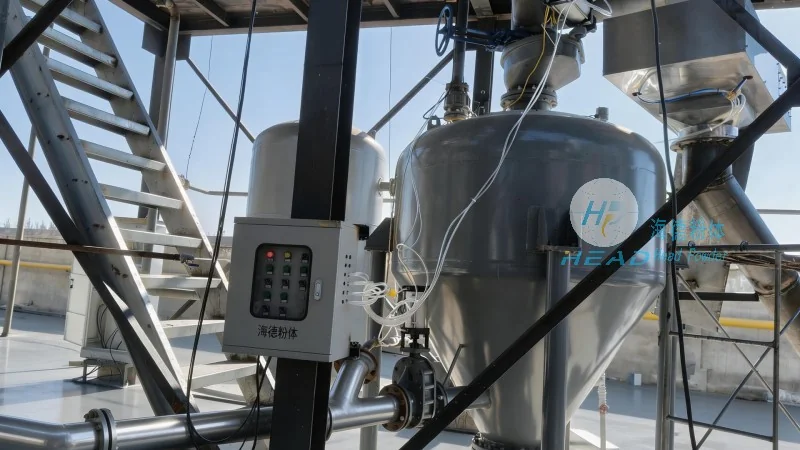
Applications and Benefits of Graphite Electrode Powder Conveying
Graphite electrode powder conveying systems are widely used in the production of graphite electrodes, which are used in steelmaking, non-ferrous metal smelting, and other industrial applications. The benefits of these systems include improved production efficiency, reduced labor costs, and enhanced product quality. By automating the powder handling process, manufacturers can achieve higher throughput and better control over the material flow. Additionally, the use of specialized components and dust control measures ensures a safe working environment and compliance with environmental regulations. HeadPowder's systems are designed to meet the specific requirements of each client, providing customized solutions that enhance operational performance and reduce downtime.




