Gypsum powder, a widely used building material, requires efficient and reliable equipment for its transportation and handling. The gypsum powder conveying equipment is a specialized system designed to handle the unique properties of gypsum powder, ensuring safe and effective movement from storage to processing or application points. This equipment is crucial in industrial settings where gypsum is processed and utilized in construction, manufacturing, and other applications.
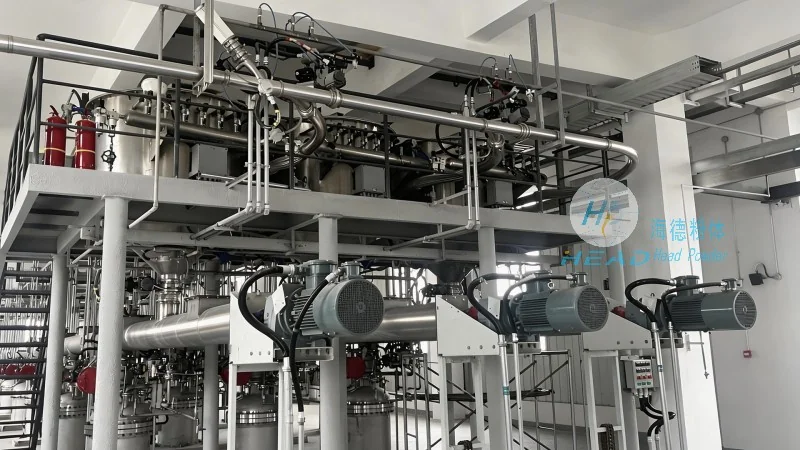
What is Gypsum Powder Conveying Equipment?
Gypsum powder conveying equipment refers to a range of machinery and systems engineered to transport gypsum powder, a fine, dry powder derived from gypsum ore. This equipment is essential for managing the flow of gypsum powder in various industrial processes, such as in the production of gypsum boards, plaster, and other gypsum-based products. The equipment must address the challenges posed by gypsum powder's characteristics, including its fine particle size, tendency to agglomerate, and potential for dust generation. By integrating advanced engineering solutions, these systems ensure the consistent and safe handling of gypsum powder throughout the supply chain.
Key Design Principles for Gypsum Powder Conveying Equipment
The design of gypsum powder conveying equipment is guided by several critical principles aimed at optimizing performance, safety, and efficiency. These principles include:
1. **Material Compatibility**: The equipment components must be constructed from materials that are resistant to the chemical and physical properties of gypsum powder. This includes materials like stainless steel, special alloys, or coated surfaces that prevent corrosion and wear from the powder's abrasive nature.
2. **Dust Control and Safety**: Gypsum powder is a fine particulate that can create dust, which poses health and safety risks. The design incorporates features like sealed systems, dust collection mechanisms, and explosion-proof components to minimize dust exposure and ensure compliance with safety regulations.
3. **Flow Management**: Gypsum powder can agglomerate or form clumps, which can disrupt the flow in conveying systems. The design incorporates features such as agitators, vibrators, or special hopper designs to break up agglomerates and maintain consistent flow rates.
4. **Energy Efficiency**: Modern gypsum powder conveying equipment is designed to minimize energy consumption while maintaining high throughput. This includes the use of efficient motors, variable speed drives, and optimized system layouts to reduce operational costs.
5. **Maintenance and Accessibility**: The equipment is designed for ease of maintenance and accessibility. This includes features like quick-release components, easy-to-clean surfaces, and accessible control panels to reduce downtime and maintenance costs.
Components and Systems in Gypsum Powder Conveying Equipment
Gypsum powder conveying equipment typically consists of several key components that work together to ensure efficient operation. These components include:
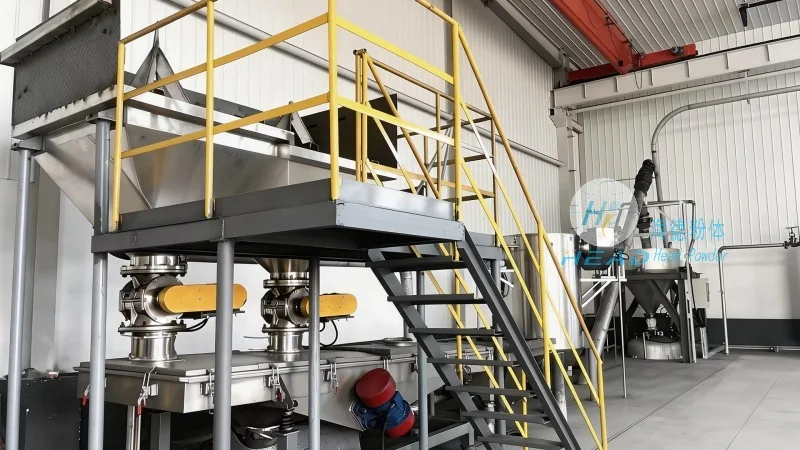
1. **Hoppers and Feeders**: Hoppers are used to store and feed gypsum powder into the conveying system. Feeders, such as rotary valves or vibratory feeders, regulate the flow of powder into the conveyor, ensuring a consistent and controlled feed rate.
2. **Conveyors**: The primary component for transporting gypsum powder, conveyors can be of various types, including screw conveyors, pneumatic conveyors, or belt conveyors. Screw conveyors are commonly used for horizontal or slight incline transport due to their ability to handle fine powders without segregation. Pneumatic conveyors use air pressure to move powder through a pipeline, offering flexibility in system layout.
3. **Dust Collection Systems**: To manage dust generated during the conveying process, dust collection systems are integrated. These systems use filters or cyclones to capture dust particles and return clean air to the environment, ensuring compliance with environmental regulations.
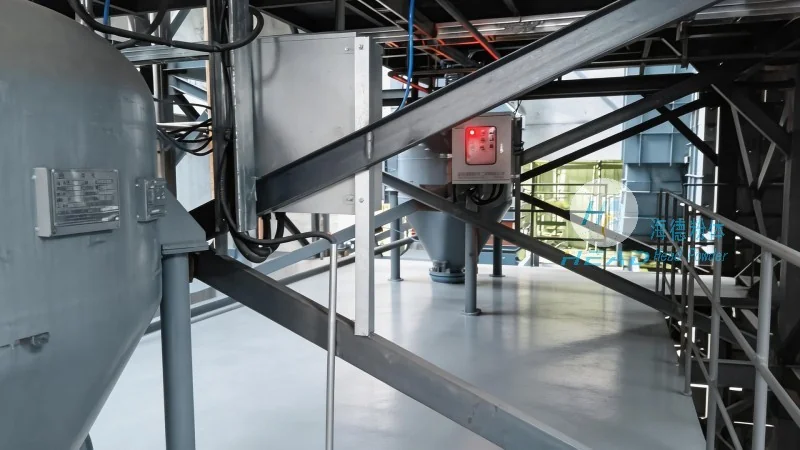
4. **Control Systems**: Advanced control systems are used to monitor and regulate the operation of the conveying equipment. These systems can include sensors for level, flow, and pressure, as well as programmable logic controllers (PLCs) to automate the process and ensure optimal performance.
Applications of Gypsum Powder Conveying Equipment
Gypsum powder conveying equipment is widely used in various industries where gypsum is a key raw material. The primary applications include:
1. **Gypsum Board Manufacturing**: In the production of gypsum boards, conveying equipment is used to transport gypsum powder from storage to the board manufacturing line. This ensures a consistent supply of raw material for the production process.
2. **Plaster and Mortar Production**: Gypsum powder is used in the production of plaster and mortar, and conveying equipment is essential for moving the powder to mixing and processing units.
3. **Construction and Building Materials**: Gypsum powder is used in construction applications, and conveying equipment is used to transport the powder to job sites or storage areas.
4. **Industrial Processing**: In other industrial processes that utilize gypsum powder, such as in the production of certain chemicals or as a filler in manufacturing, conveying equipment ensures the efficient handling of the material.
Benefits of Using Gypsum Powder Conveying Equipment
Implementing specialized gypsum powder conveying equipment offers several benefits to industrial operations. These benefits include:
1. **Improved Efficiency**: The equipment ensures consistent and efficient flow of gypsum powder, reducing downtime and increasing production throughput.
2. **Enhanced Safety**: By controlling dust and providing sealed systems, the equipment minimizes health risks and ensures compliance with safety regulations.
3. **Cost Savings**: Efficient design and operation reduce energy consumption and maintenance costs, leading to long-term cost savings.
4. **Product Quality**: Consistent flow and handling of gypsum powder help maintain product quality by preventing segregation and agglomeration, which can affect the final product's properties.
5. **Environmental Compliance**: The dust control systems ensure that the operation complies with environmental regulations, reducing the impact on the environment.
Conclusion
Gypsum powder conveying equipment is a critical component in the industrial processing and handling of gypsum powder. By adhering to key design principles and incorporating advanced components, these systems ensure the safe, efficient, and cost-effective transportation of gypsum powder. Companies like Shandong HeadPowder Engineering Co., Ltd., based in China, specialize in the design and manufacturing of such equipment, providing tailored solutions to meet the specific needs of industrial applications. The integration of reliable conveying equipment is essential for optimizing gypsum powder handling processes and ensuring the success of industrial operations that rely on this versatile material.




