For industries dealing with cotton fiber powders, efficient and reliable material handling is crucial. A cotton fiber powder conveying line is a specialized system engineered to transport these fine, often abrasive materials from one point to another within a production facility. The design of such a line is tailored to address the unique challenges posed by cotton fiber powders, including their tendency to form agglomerates, generate static electricity, and cause wear on equipment components.
Key Components of a Cotton Fiber Powder Conveying Line
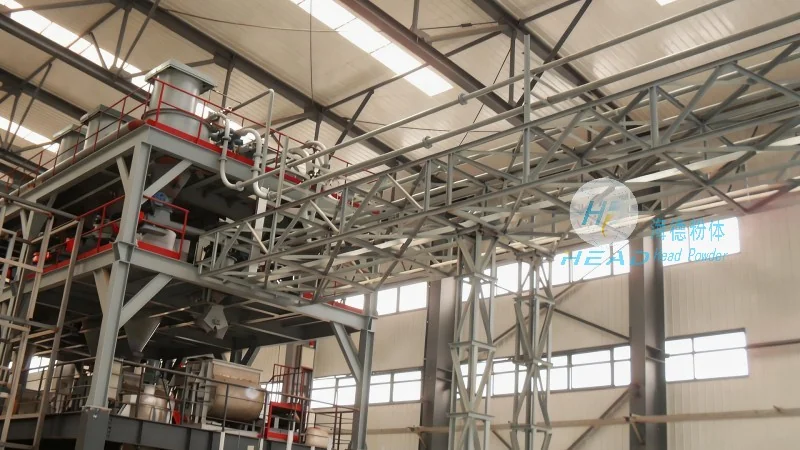
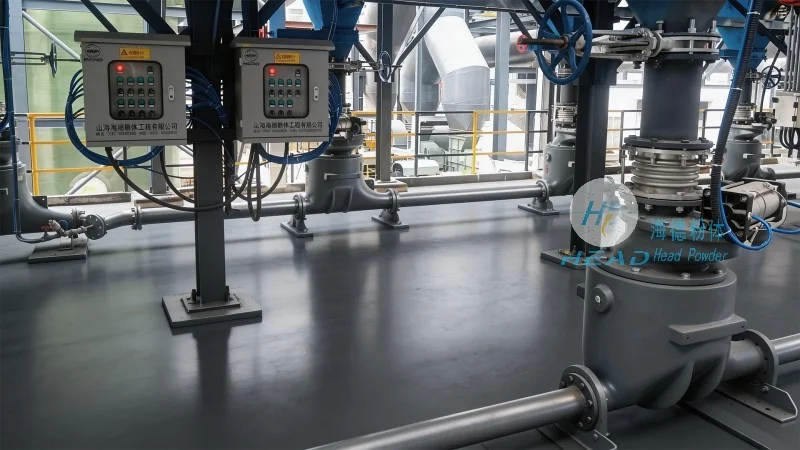
The core components of a cotton fiber powder conveying line typically include a hopper for material storage, a feeder to control the flow rate, a conveyor system (such as pneumatic or mechanical), and a control panel for monitoring and operation. The hopper is designed with smooth, non-stick surfaces to prevent material buildup and ensure consistent feeding. The feeder, often a rotary valve or a screw feeder, regulates the flow of cotton fiber powder into the conveyor, preventing overloading and maintaining a steady supply. The conveyor system, whether pneumatic (using air pressure to move the material) or mechanical (using belts or buckets), is selected based on the material's properties and the distance to be covered. For cotton fiber powders, pneumatic conveying is commonly preferred due to its ability to handle fine powders and minimize product contamination.
Design Principles for Efficient Cotton Fiber Powder Handling
Designing a cotton fiber powder conveying line requires careful consideration of several key principles to ensure optimal performance and longevity. First, the system must address the material's tendency to generate static electricity, which can cause dust explosions or interfere with equipment operation. This is typically managed through grounding systems and the use of anti-static materials in the hopper and conveyor components. Second, the design must mitigate wear from the abrasive nature of cotton fiber powders. Components such as hoppers, chutes, and conveyor belts are often made from wear-resistant materials like stainless steel or special polymers to extend their service life. Third, the system must maintain material integrity and prevent segregation or contamination. This is achieved through gentle handling, consistent flow rates, and proper sealing of the conveying line to prevent cross-contamination with other materials. Additionally, the design should incorporate easy access points for maintenance and cleaning to minimize downtime and ensure the system operates at peak efficiency.
Applications and Benefits of Cotton Fiber Powder Conveying Lines
Cotton fiber powder conveying lines are widely used in various industries, including textile manufacturing, pharmaceuticals, and food processing. In textile production, these systems efficiently transport raw cotton fibers to spinning and weaving machines, ensuring a continuous supply of material for textile manufacturing. In the pharmaceutical industry, the conveying lines are used to transport cotton fiber powders used as excipients or filtration media, maintaining strict hygiene and contamination control. The benefits of using a well-designed cotton fiber powder conveying line include increased production efficiency, reduced labor costs, minimized material waste, and improved workplace safety. By automating the material handling process, these systems also reduce the risk of dust exposure and related health hazards for workers.
Customization and Maintenance for Optimal Performance
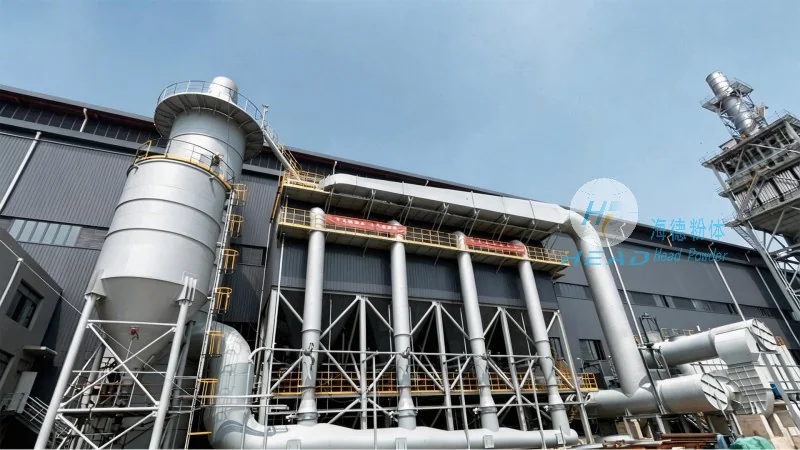
Given the diverse applications and material properties, cotton fiber powder conveying lines are often customized to meet specific customer requirements. Shandong HeadPowder Engineering Co., Ltd., a leading manufacturer based in China, specializes in designing and manufacturing tailored conveying systems for cotton fiber powders. The company's expertise lies in understanding the unique challenges of cotton fiber materials and providing solutions that enhance operational efficiency and reliability. Regular maintenance is essential to ensure the longevity and performance of the conveying line. This includes inspecting and replacing wear parts, cleaning the system to prevent material buildup, and checking the operation of control systems. By adhering to a regular maintenance schedule, users can maximize the lifespan of their cotton fiber powder conveying line and minimize the risk of unexpected downtime.




