For industrial operations that involve the handling and transportation of bagasse powder, understanding the specialized equipment and its underlying design principles is crucial. This article provides an in-depth look at the bagasse powder bulk material handling system, focusing on its components, operational mechanics, and the engineering principles that govern its efficient performance.
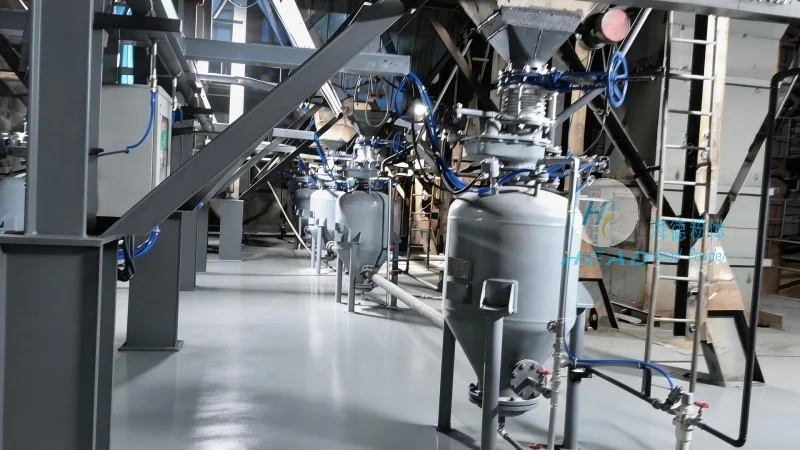
Introduction to Bagasse Powder and Bulk Material Handling Systems
Bagasse is the fibrous residue left after sugarcane is processed for juice extraction. As a byproduct of the sugar industry, bagasse powder is widely used as a biofuel, in paper manufacturing, and as a raw material in various industrial applications. The efficient handling of this powder is essential to maintain production efficiency and minimize material loss. Bulk material handling systems are engineered to transport large quantities of dry, free-flowing materials like bagasse powder from one location to another within a facility or between different processing stages.
HeadPowder Engineering: The Manufacturer Behind the System
Shandong HeadPowder Engineering Co., Ltd., commonly known as HeadPowder, is a leading manufacturer specializing in bulk material handling solutions. With a strong presence in China, particularly in Shandong province, the company has built a reputation for delivering high-quality, reliable equipment tailored to the unique needs of the sugar and related industries. HeadPowder’s expertise lies in designing systems that address the challenges posed by bagasse powder, such as its tendency to clump, variable moisture content, and the need for gentle handling to preserve material integrity.
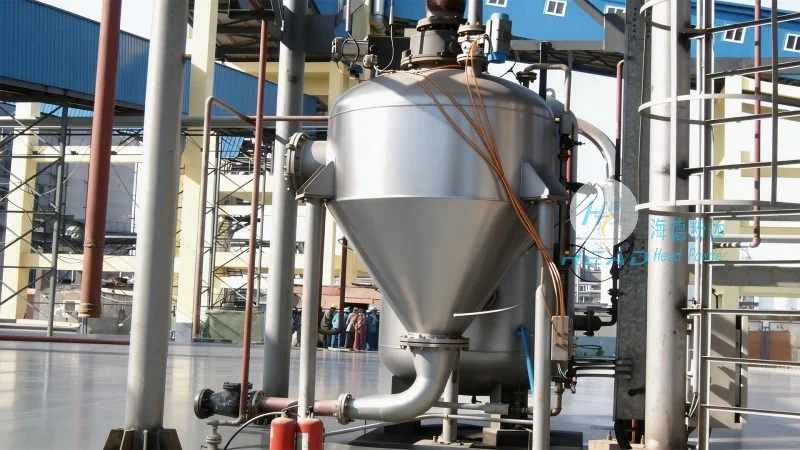
Key Components of a Bagasse Powder Bulk Material Handling System
The bagasse powder bulk material handling system typically consists of several interconnected components that work in tandem to ensure smooth material flow. These components include feeders, conveyors, storage silos, and control systems. Each component is designed to handle the specific characteristics of bagasse powder, ensuring that the material is transported without degradation or loss.
The Feeder: Ensuring Consistent Material Flow
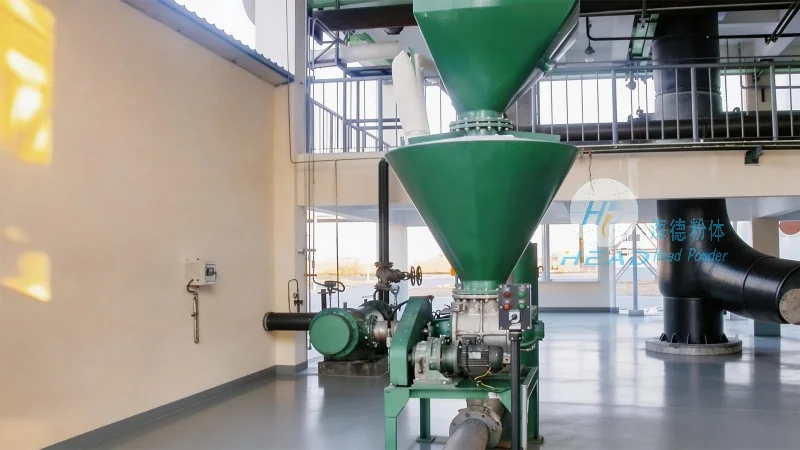
The feeder is the initial component in the system, responsible for delivering a uniform flow of bagasse powder to the conveyor. For bagasse powder, which can be prone to bridging or clogging, specialized feeders like rotary valves or vibratory feeders are often used. These devices ensure that the material is released at a controlled rate, preventing overloading of the conveyor and maintaining consistent flow rates. The design of the feeder takes into account the material’s bulk density and flow properties to optimize performance.
The Conveyor: Efficient and Gentle Material Transport
The conveyor is the core of the bulk material handling system, responsible for transporting bagasse powder from the feeder to the storage silo or processing unit. For bagasse powder, which is a dry, free-flowing material, belt conveyors or screw conveyors are commonly employed. Belt conveyors are preferred for their ability to handle large volumes of material and their gentle handling, which minimizes particle breakage and preserves the material’s quality. The conveyor system is designed with appropriate belt speeds and incline angles to ensure efficient transport while preventing material degradation.
The Storage Silo: Managing Bulk Material Inventory
After the bagasse powder is conveyed to the processing area, it may be stored in a silo before further use. The storage silo is designed to hold large quantities of the material and release it as needed. For bagasse powder, which can be sensitive to moisture and temperature, the silo is typically made of materials that are resistant to corrosion and wear. The silo’s design includes features such as a hopper with a smooth interior to prevent material bridging and a discharge valve that allows for controlled release of the material. This ensures that the material is stored safely and can be retrieved efficiently when required.
Control Systems: Ensuring System Reliability and Efficiency
All components of the bagasse powder bulk material handling system are integrated with a control system that monitors and regulates the operation of the equipment. The control system uses sensors to detect the level of material in the silo, the flow rate of the conveyor, and the position of the feeder. This data is used to adjust the system parameters in real-time, ensuring that the material is handled efficiently and safely. The control system also includes safety features such as overload protection and emergency stop buttons to prevent accidents and protect personnel.
Design Principles for Optimal Performance
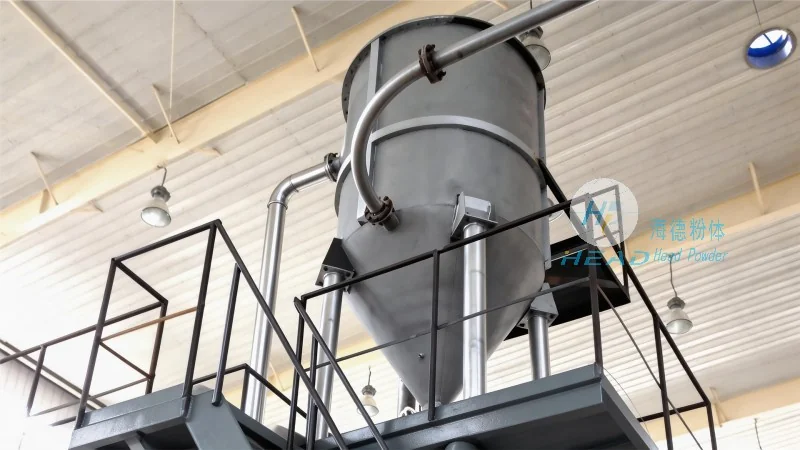
The design of a bagasse powder bulk material handling system is based on several key principles that ensure its efficiency, reliability, and safety. These principles include material compatibility, gentle handling, and efficient flow control. Material compatibility ensures that all components of the system are suitable for handling bagasse powder, preventing corrosion or degradation of the material. Gentle handling is essential to preserve the quality of the bagasse powder, which is important for its use as a biofuel or in other applications. Efficient flow control ensures that the material is transported at the optimal rate, minimizing energy consumption and maximizing throughput.
Conclusion: The Importance of a Well-Designed System
In conclusion, the bagasse powder bulk material handling system is a critical component of the sugar industry and other applications that use bagasse powder. The design of this system, as exemplified by HeadPowder Engineering, focuses on the unique characteristics of bagasse powder and employs specialized components to ensure efficient and safe handling. By understanding the design principles and components of this system, industrial operators can optimize their material handling processes, reduce costs, and improve overall productivity.




