Lithium manganese oxide (LMO) is a critical cathode material widely used in lithium-ion batteries, particularly in applications requiring high energy density and thermal stability. The efficient and reliable transportation of LMO powder is essential for the production process, as it directly impacts the quality and consistency of the final battery products. This article explores the concept of a lithium manganese oxide powder conveying system equipment and delves into its underlying design principles, highlighting the technological advancements and practical applications in the battery manufacturing industry.
Introduction to Lithium Manganese Oxide Powder Conveying Systems
HeadPowder, a leading manufacturer based in Shandong, China, specializes in the development and production of advanced powder handling solutions. The lithium manganese oxide powder conveying system equipment is a specialized piece of machinery designed to handle the unique properties of LMO powder, which includes its fine particle size, hygroscopic nature, and potential for static charge accumulation. These characteristics necessitate a conveying system that ensures minimal product degradation, maintains consistent flow rates, and prevents contamination during the material transfer process.
Key Design Principles of the Conveying System
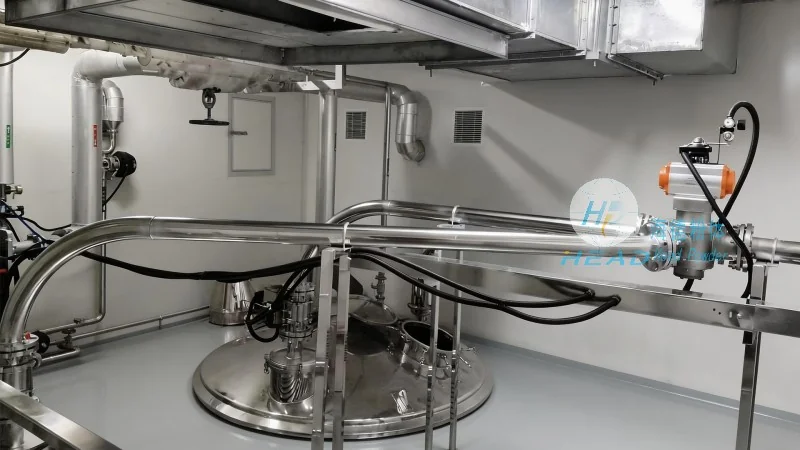
The design of a lithium manganese oxide powder conveying system equipment adheres to several fundamental principles to ensure optimal performance. Firstly, the system must address the hygroscopic and static properties of LMO powder. To mitigate moisture absorption, the conveying equipment is typically equipped with sealed and insulated components, often incorporating drying mechanisms or moisture-resistant materials. Additionally, anti-static measures such as grounding and ionization are integrated to prevent powder buildup and ensure smooth material flow.
Secondly, the system is engineered to maintain a consistent and controlled flow rate. This is achieved through the use of specialized feeders, such as screw feeders or vibratory feeders, which regulate the amount of powder entering the conveyor. The design also considers the particle size distribution of LMO, as larger particles may require different conveying speeds compared to finer particles to avoid clogging or uneven distribution.
Thirdly, the conveying system prioritizes material containment and cleanliness. The equipment is constructed with materials that are compatible with LMO powder, such as stainless steel or food-grade plastics, to prevent chemical reactions or contamination. The system also includes features like dust collection and filtration to maintain a clean working environment and comply with industrial safety standards.
Components and Functionalities of the Conveying System
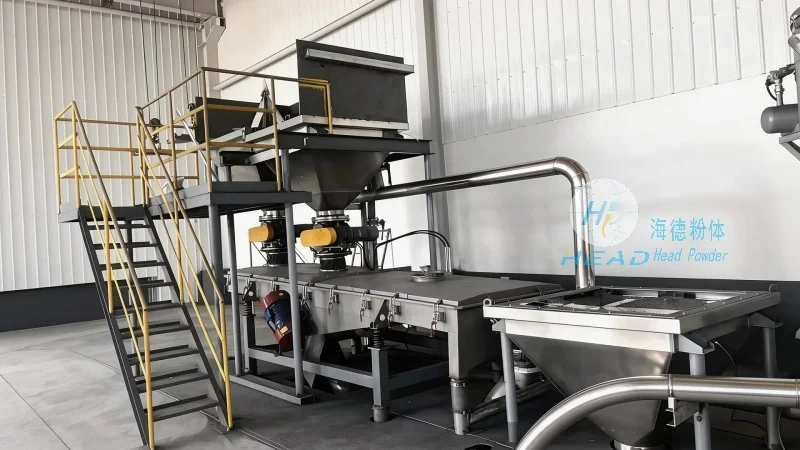
The lithium manganese oxide powder conveying system equipment consists of several key components that work in tandem to achieve efficient material transfer. The primary components include a hopper for material storage, a feeder to control the flow rate, a conveyor (such as a pneumatic or mechanical conveyor) to transport the powder, and a discharge mechanism for delivering the material to the next stage of the production process.
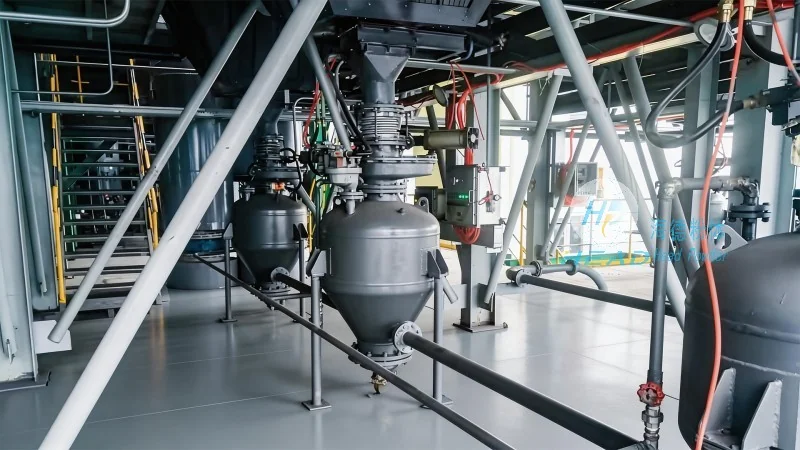
The hopper is designed with a sloped bottom to facilitate material flow and prevent bridging or caking, which can occur with fine powders like LMO. The feeder, often a screw or vibratory type, ensures a steady and controlled supply of powder to the conveyor, preventing surges or interruptions that could affect downstream processes. The conveyor itself may be pneumatic, using air pressure to move the powder through a sealed tube, or mechanical, employing belts or buckets to transport the material. The choice of conveyor type depends on factors such as the powder's properties, the required conveying distance, and the production capacity.
The discharge mechanism is crucial for safely and efficiently delivering the LMO powder to the subsequent processing steps. It may include a rotary valve or a gate valve that controls the flow of material, ensuring that the powder is released in a controlled manner without spillage or contamination. Additionally, the system may incorporate sensors and control systems to monitor the flow rate, pressure, and other parameters, allowing for real-time adjustments and process optimization.
Applications and Benefits in Battery Manufacturing
The lithium manganese oxide powder conveying system equipment plays a vital role in the battery manufacturing process, particularly in the production of high-performance lithium-ion batteries. By ensuring the efficient and reliable transfer of LMO powder, the system contributes to the following benefits:
Firstly, it enhances the quality and consistency of the final battery products. Consistent powder flow and minimal degradation ensure that the cathode material is uniformly distributed, leading to improved battery performance and longer lifespan. Secondly, the system improves production efficiency by reducing downtime and material loss. By preventing clogging and maintaining a steady flow rate, the equipment minimizes the need for manual intervention and reprocessing, thereby increasing overall productivity.
Thirdly, the conveying system adheres to stringent safety and environmental standards. The sealed and insulated design prevents dust emissions and protects workers from exposure to fine powders, while the anti-static features reduce the risk of fire or explosion hazards. Additionally, the system's compatibility with LMO powder ensures that it does not introduce contaminants or react with the material, maintaining the purity of the cathode.
Conclusion
In conclusion, the lithium manganese oxide powder conveying system equipment is a sophisticated and essential component in the battery manufacturing industry. Its design principles, which prioritize material handling efficiency, safety, and quality, are crucial for producing high-performance lithium-ion batteries. HeadPowder, with its expertise in powder handling technology, provides reliable solutions that meet the demanding requirements of modern battery production. By understanding and implementing these design principles, manufacturers can optimize their production processes, enhance product quality, and stay competitive in the rapidly evolving battery market.




