High-quality kaolin powder, known for its fine particle size and high whiteness, is a vital raw material in industries ranging from ceramics and paper production to coatings and cosmetics. The efficient and safe handling of this fine powder is not just a matter of convenience but a critical factor in maintaining product quality and ensuring smooth production workflows. A kaolin powder handling system is a specialized piece of equipment designed to store, transport, and deliver kaolin powder from its source to processing units. This system is essential for industries that rely on consistent and uncontaminated powder supply, as any deviation in handling can lead to product defects or operational inefficiencies. Understanding the components and design principles of such a system is therefore crucial for anyone involved in the kaolin processing industry.
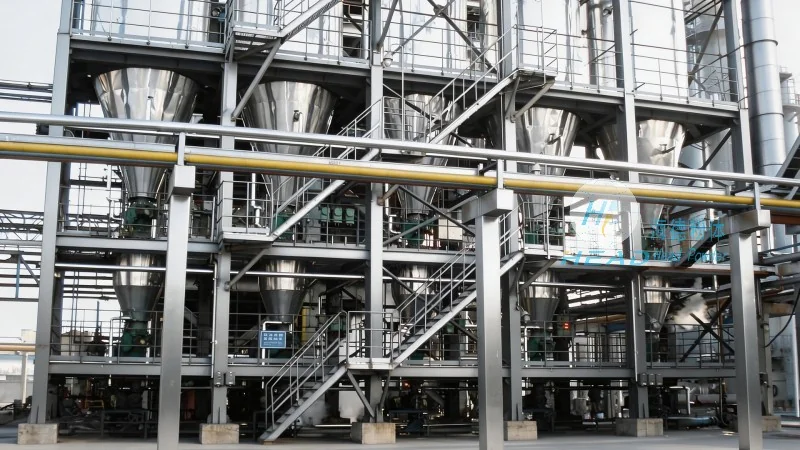
About Shandong HeadPowder Engineering Co., Ltd.
Shandong HeadPowder Engineering Co., Ltd., commonly referred to as HeadPowder, is a prominent manufacturer of advanced powder processing equipment. HeadPowder specializes in developing and manufacturing systems tailored for the handling and transportation of fine powders, including kaolin. With a strong focus on innovation, quality, and customer satisfaction, the company has built a reputation for delivering reliable and high-performance equipment that meets the diverse needs of its clients. HeadPowder's headquarters and main production facilities are located in Shandong, China, where the company leverages local expertise and resources to design and produce equipment that adheres to international standards. The company's commitment to research and development ensures that its products remain at the forefront of technological advancements in the powder handling industry.
Design Principles of Kaolin Powder Handling Systems
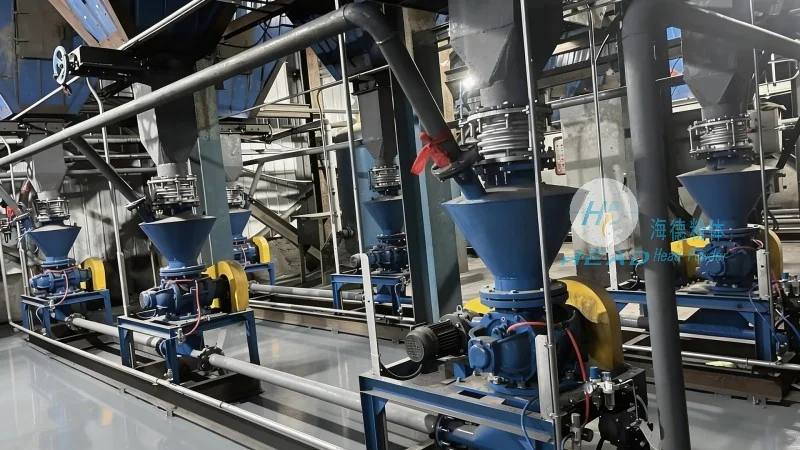
The design of a kaolin powder handling system is guided by several fundamental principles aimed at ensuring optimal performance, safety, and durability. The primary design principle is to prevent powder degradation and contamination, which is achieved through the use of high-quality materials and robust sealing mechanisms. Kaolin powder is highly sensitive to moisture and contaminants, so the system is constructed from materials like stainless steel or food-grade plastics to maintain the purity of the powder. Additionally, the system incorporates anti-static features to prevent powder accumulation and ensure safe operation, as fine powders can be prone to static discharge. The second key principle is to handle the fine particle size of kaolin effectively. This requires specialized conveying methods, such as pneumatic conveying or mechanical screw conveyors, which are designed to minimize particle breakage and maintain the powder's integrity. The system's design also considers the flow characteristics of kaolin, which can be prone to bridging or caking in storage hoppers. To address this, the hopper is typically designed with a conical or rectangular shape and equipped with agitators or vibrators to ensure uniform material discharge.
Key Components and Their Functions
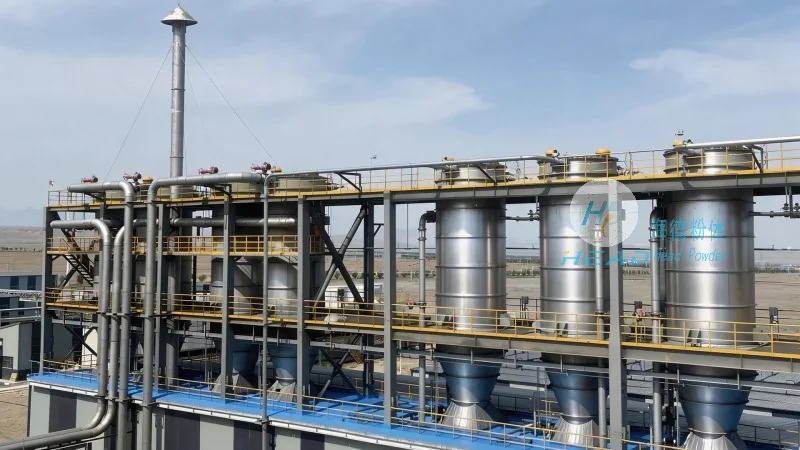
A typical kaolin powder handling system comprises several interconnected components, each with a specific function to ensure the smooth operation of the entire process. The first component is the storage hopper, which is designed to hold the kaolin powder in bulk. The hopper is often made of stainless steel and features a conical bottom to facilitate the controlled discharge of powder. To prevent caking or bridging, the hopper may include a vibratory or mechanical agitator that gently moves the powder. The second component is the feeder, which regulates the flow rate of the powder from the hopper to the conveying system. Common types of feeders include rotary valves and vibratory feeders, which provide a consistent and adjustable flow rate. The third component is the conveying system, responsible for transporting the powder from the feeder to the processing unit. Pneumatic conveying systems use compressed air to move the powder through a pipeline, while mechanical systems employ screws or belts. The choice of conveying method depends on factors such as the distance to be covered, the volume of material, and the need for dust control. The fourth component is the dust collection system, which captures any airborne particles to prevent environmental pollution and maintain a safe working environment. This system typically includes filters and cyclones that separate the powder from the air, ensuring compliance with environmental regulations.
Operational Efficiency and Maintenance Considerations
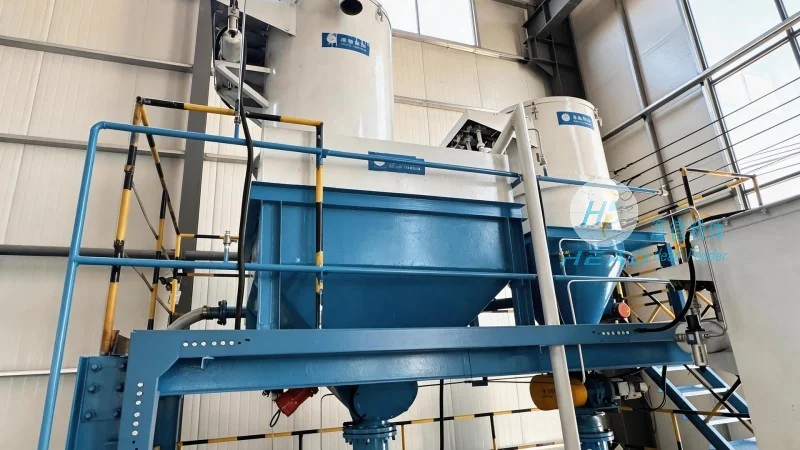
Efficient operation of a kaolin powder handling system relies heavily on proper maintenance and regular inspections. The system's design incorporates features that simplify maintenance, such as easy access panels and modular components that can be quickly removed for cleaning or replacement. Regular maintenance tasks include checking the condition of seals and gaskets to prevent leaks, inspecting the feeder for wear and tear, and cleaning the conveying lines to prevent blockages. Proper maintenance not only extends the lifespan of the equipment but also ensures consistent performance and reduces downtime. Additionally, the system is designed to handle the specific properties of kaolin powder, such as its fine particle size and potential for static electricity. Anti-static measures, such as grounding and the use of conductive materials, are incorporated into the design to prevent powder accumulation and ensure safe operation. By adhering to these design principles and maintenance practices, businesses can achieve reliable and efficient handling of kaolin powder, meeting the demands of their production processes while maintaining high standards of quality and safety. The combination of robust design and regular maintenance ensures that the system operates at peak efficiency, delivering consistent results and minimizing operational costs.




