Intermittent feeding material handling is a critical process in industrial automation and material flow management. This method involves the controlled, periodic movement of materials or components between different stages of a production or processing system. Unlike continuous feeding systems that operate at a constant rate, intermittent feeding relies on precise timing and mechanical actions to ensure materials are transferred at the right moment, minimizing downtime and optimizing workflow efficiency. The core of this technology lies in its ability to synchronize material movement with downstream operations, such as assembly, packaging, or quality inspection.
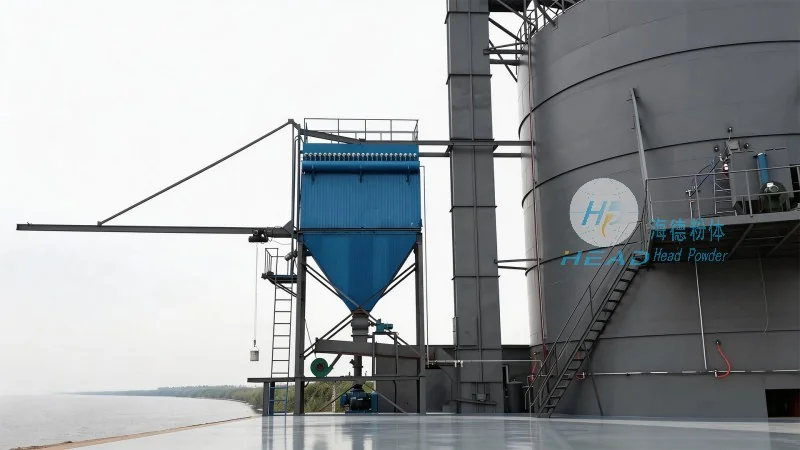
About Shandong HeadPowder Engineering Co., Ltd.
HeadPowder, a leading manufacturer in the field of material handling solutions, specializes in designing and manufacturing advanced intermittent feeding systems. With a strong presence in China, particularly in Shandong province, the company has built a reputation for delivering high-quality, reliable equipment tailored to diverse industrial needs. The company’s headquarters and primary operations are located in Shandong, China, where it leverages local expertise and resources to develop cutting-edge solutions for material handling challenges.
The Design Principles of Intermittent Feeding Systems
The design of an intermittent feeding system is governed by several key principles that ensure optimal performance and reliability. First, the system must be synchronized with the production line’s cycle time to avoid bottlenecks or delays. This synchronization is achieved through precise timing mechanisms, such as cam drives, pneumatic or electric actuators, and control systems that regulate the speed and duration of material movement. Second, the system must be robust and durable to withstand the rigors of continuous operation in industrial environments. Materials used in the construction of the feeding mechanisms, such as stainless steel or corrosion-resistant alloys, are selected to ensure longevity and maintain product integrity. Third, the design must prioritize safety and compliance with industry standards, incorporating features like emergency stop buttons, overload protection, and safety interlocks to prevent accidents and ensure operator safety.
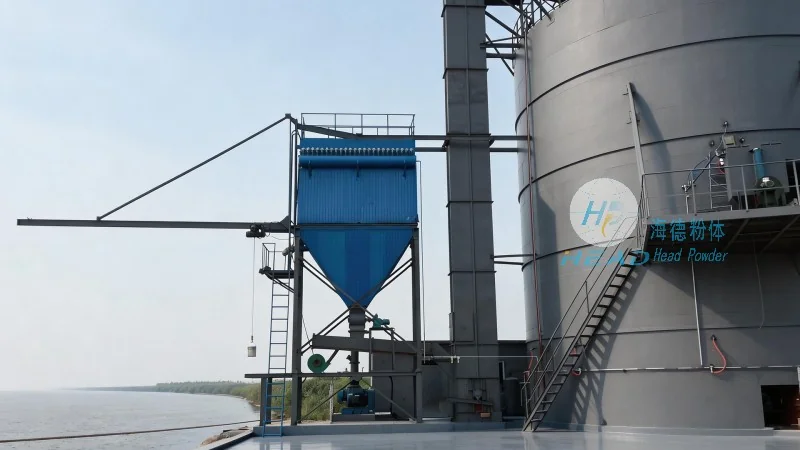
Key Components and Their Functions
Intermittent feeding systems typically consist of several key components, each playing a crucial role in the overall operation. The feeding mechanism, often a conveyor or a series of rollers, is responsible for moving materials from the input to the output. This component is designed to handle various types of materials, including bulk items, packaged products, or even delicate components, by adjusting the spacing and speed of movement. The timing device, which can be mechanical, pneumatic, or electronic, controls the frequency and duration of the feeding cycles. For example, a cam-driven system uses a rotating cam to push materials forward at predetermined intervals, while an electric motor with a variable frequency drive (VFD) allows for precise control over the feeding rate. The control system, often integrated with a programmable logic controller (PLC), monitors the entire process and adjusts parameters in real-time to maintain optimal performance. Sensors, such as photoelectric or proximity sensors, are used to detect the presence or absence of materials, ensuring that the feeding cycle is only activated when necessary and preventing errors like double feeding or missed items.
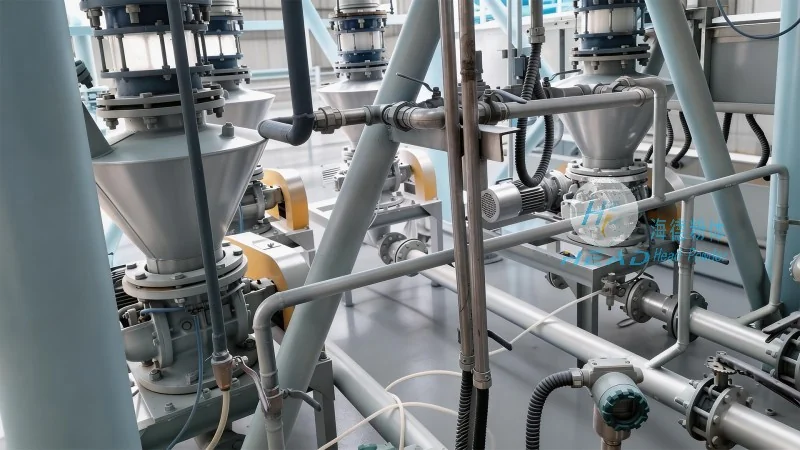
Advantages of Intermittent Feeding Material Handling
Intermittent feeding offers several advantages over continuous feeding systems, making it a preferred choice in many industrial applications. One of the primary benefits is its ability to handle a wide range of material types and sizes without requiring extensive modifications to the system. This flexibility allows manufacturers to adapt to changing production requirements or product specifications with minimal downtime. Another advantage is the reduced risk of material damage or contamination, as the intermittent movement allows for better control over the handling process. For example, in food processing or pharmaceutical industries, where product integrity is critical, intermittent feeding minimizes the risk of cross-contamination or product degradation. Additionally, the system’s ability to synchronize with downstream operations reduces overall production time and improves throughput, leading to higher productivity and lower operational costs.
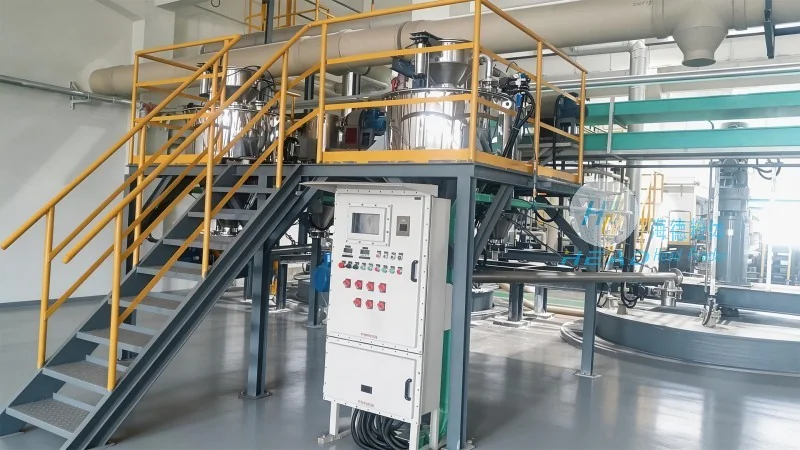
Applications in Various Industries
Intermittent feeding material handling systems are widely used across multiple industries, including manufacturing, logistics, and packaging. In manufacturing, these systems are commonly employed in assembly lines for automotive, electronics, and consumer goods production. They help ensure that components are delivered to the assembly station at the right time, preventing delays and improving production efficiency. In logistics and warehousing, intermittent feeding is used for sorting and transferring packages between different storage areas or conveyor lines. This method allows for efficient handling of bulk items, such as boxes or cartons, while maintaining order and accuracy. In the packaging industry, intermittent feeding systems are used to move finished products from the packaging line to the shipping area, ensuring that each package is handled carefully and without damage. The versatility of these systems makes them suitable for a wide range of applications, from small-scale operations to large-scale industrial facilities.
Conclusion: The Role of Intermittent Feeding in Modern Manufacturing
Intermittent feeding material handling is a fundamental technology in modern manufacturing, enabling efficient and reliable material flow between different stages of production. By adhering to precise design principles and incorporating advanced components, these systems ensure optimal performance, safety, and productivity. As industries continue to evolve and demand higher efficiency, the importance of intermittent feeding systems will only grow. Companies like Shandong HeadPowder Engineering Co., Ltd. play a vital role in developing and supplying these solutions, helping manufacturers meet their production goals while maintaining quality and safety standards. The continued innovation in intermittent feeding technology will further enhance its capabilities, making it an indispensable part of industrial automation and material handling.




